
22 Facts That Explain What Are Acrylic Nails
Acrylic nails have become one of the most popular beauty trends in the manicure world. From everyday wear to glamorous events, many people choose them to create longer, stronger, and beautifully shaped nails. If you’ve ever wondered what are acrylic nails, how they are applied, and why they are so widely loved, this guide will explain everything in detail.
Understanding the basics can help you decide whether this manicure style is right for you. In this article, we will explore 22 facts that explain what are acrylic nails, including how they are created, how acrylic nail extensions work, and why they remain a favorite in nail salons worldwide.
1. What Are Acrylic Nails?
The most common question people ask is simple: what are acrylic nails?
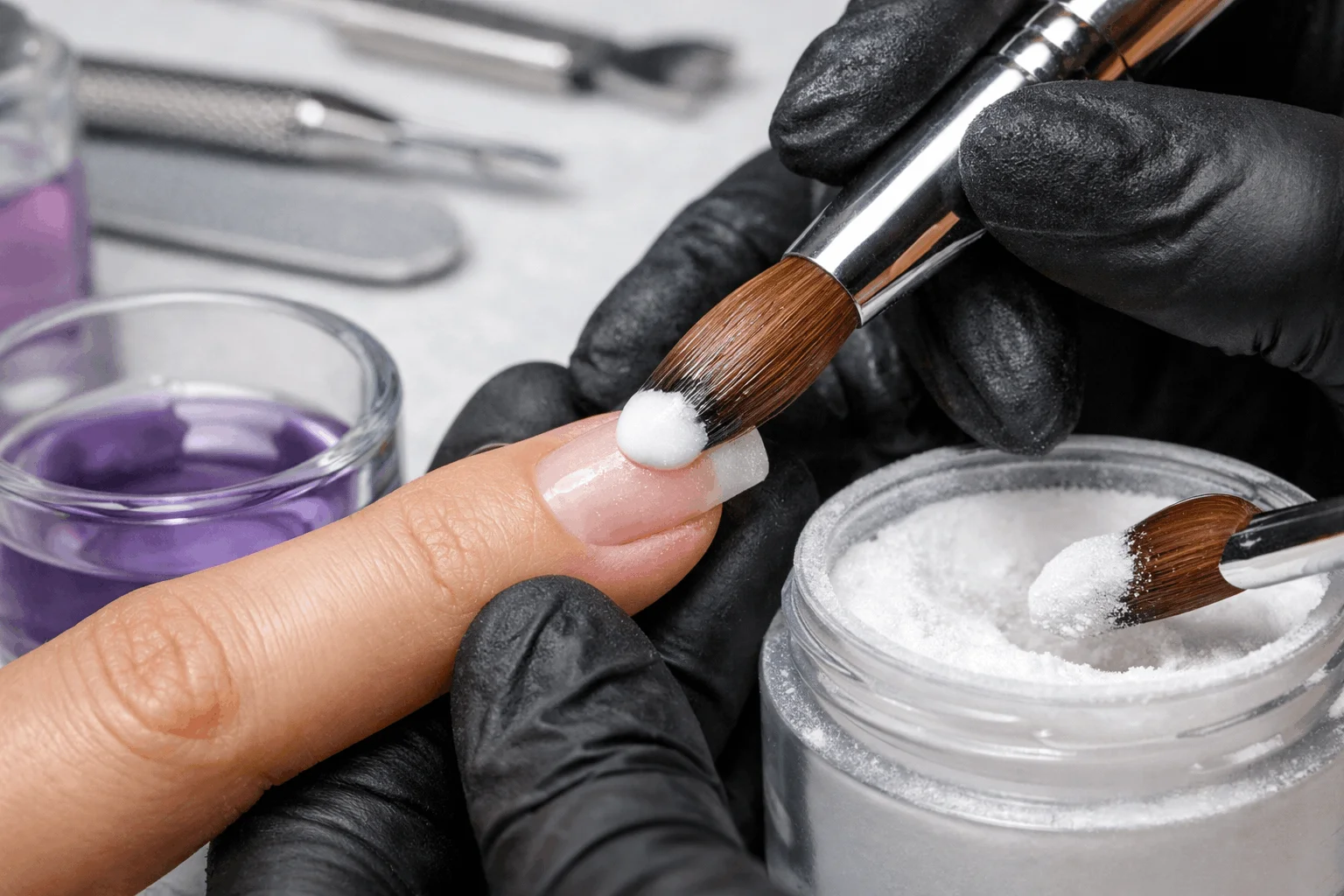
Acrylic nails are artificial nail enhancements created by combining a liquid monomer with a powder polymer. When these two ingredients are mixed together, they form a soft paste that can be shaped on top of the natural nail. Once exposed to air, the mixture hardens into a strong protective layer.
This process creates durable nails that can be shaped into various lengths and styles. Many people use acrylic nails to achieve dramatic nail shapes that natural nails cannot easily support.
2. Acrylic Nails Are a Type of Nail Enhancement
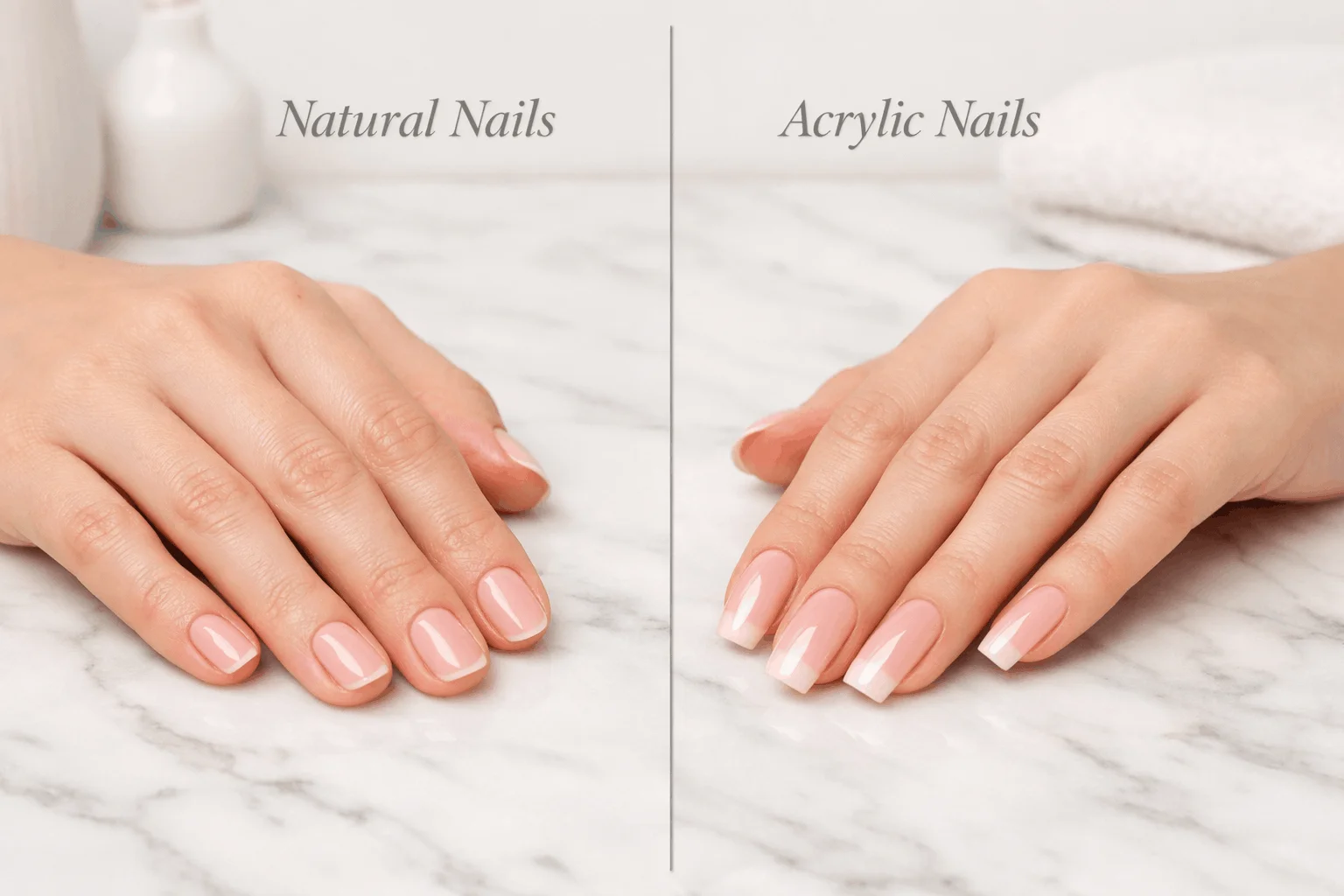
Acrylic nails fall under the category of nail enhancements, meaning they are designed to improve the appearance and structure of natural nails.
Enhancements can add:
- Length
- Strength
- Shape
- Decorative designs
Among the many enhancement options available today, acrylic nail extensions are considered one of the most durable and customizable.
3. Acrylic Nail Extensions Add Length Instantly
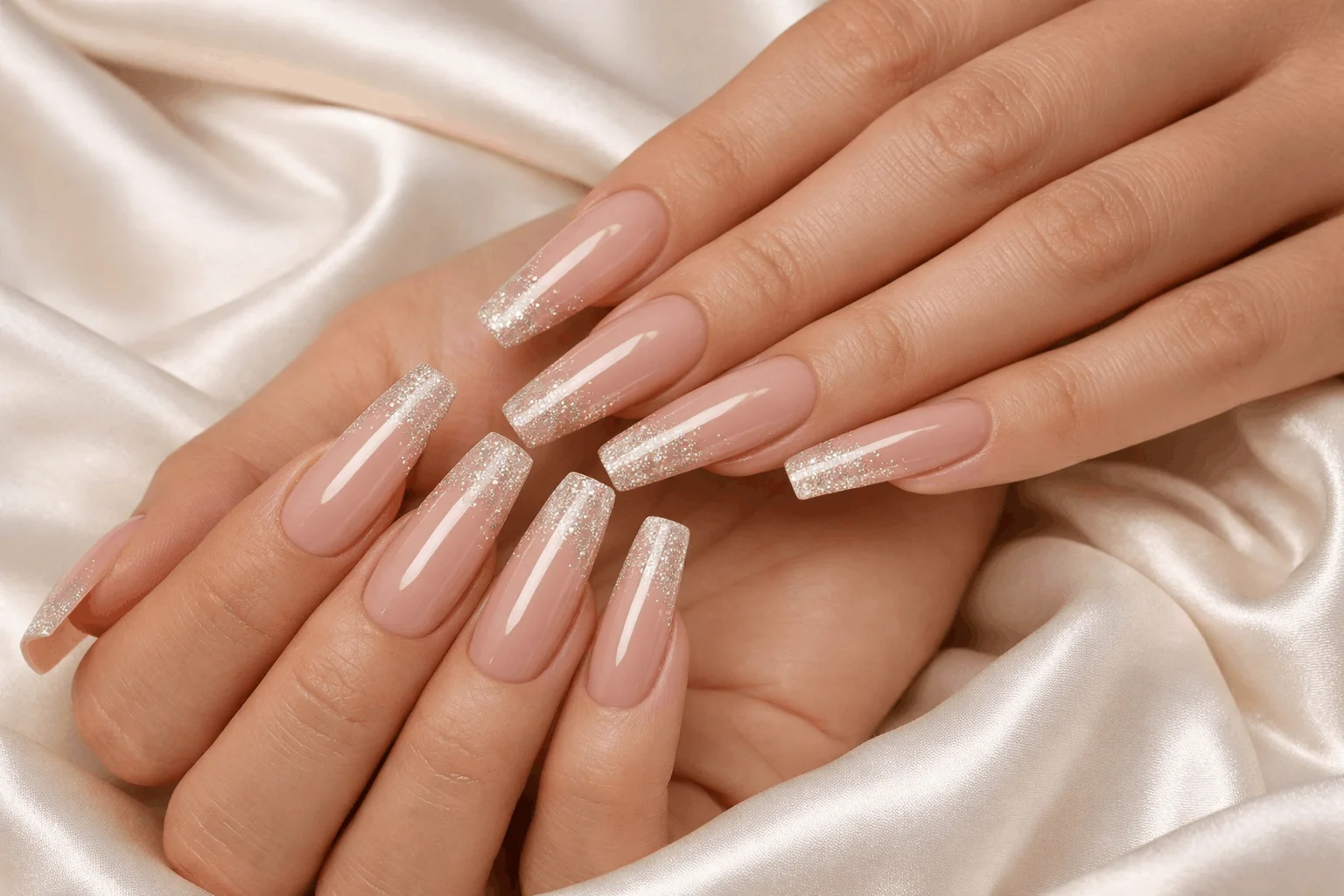
One of the biggest advantages of acrylic nails is the ability to create acrylic nail extensions. These extensions allow people to instantly achieve long nails without waiting for natural growth.
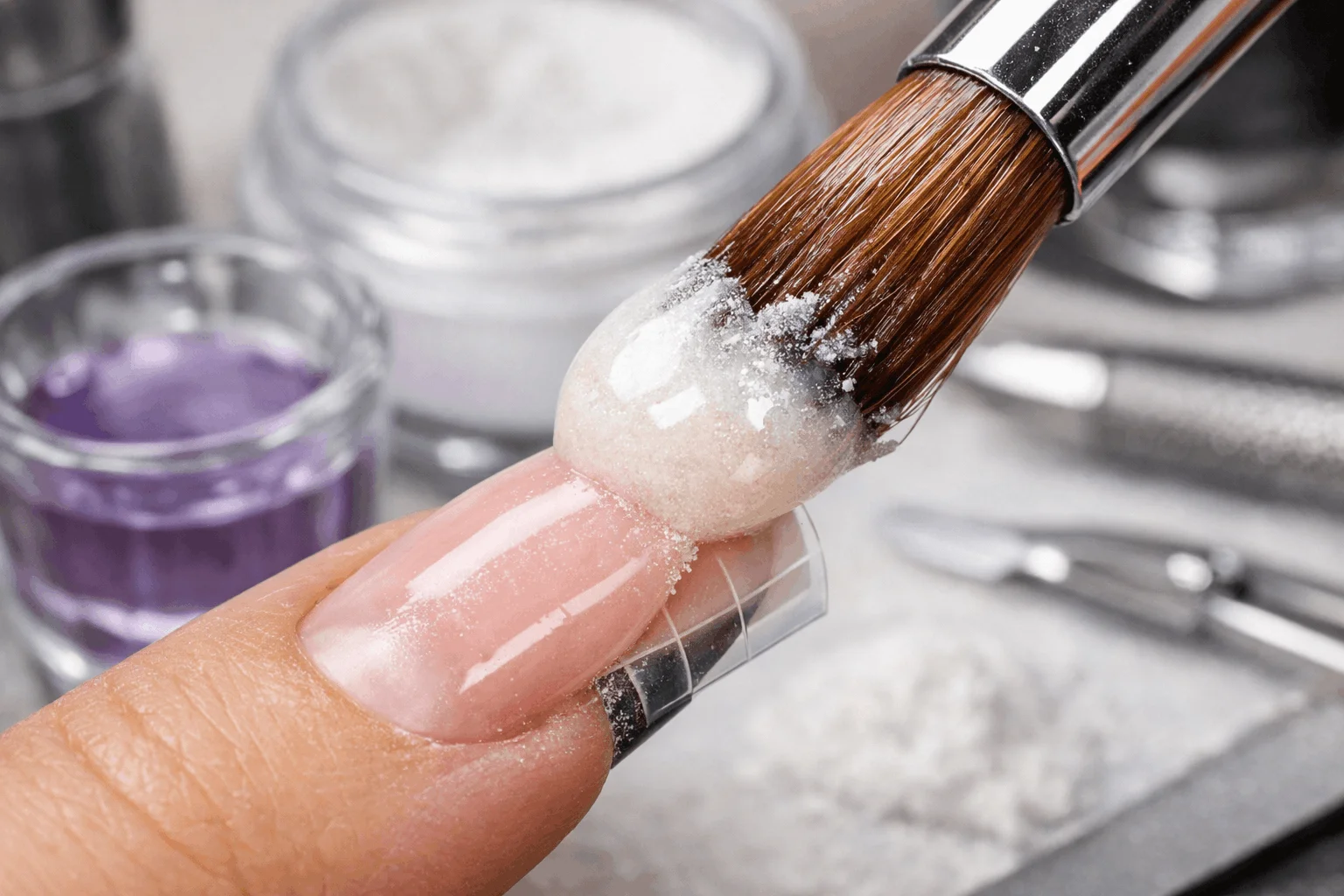
During the application process, a small nail tip or sculpting form is attached to the natural nail. The acrylic mixture is then applied over it to build the desired length and shape.
This makes acrylic nails perfect for people who struggle with brittle or slow-growing nails.
4. How Acrylic Nails Work
Many people are curious about how acrylic nails work.
The process involves a chemical reaction between the liquid monomer and powder polymer. When mixed, they form a malleable substance that nail technicians can shape over the natural nail.
Within minutes, the mixture hardens as it reacts with air. Once hardened, it forms a solid surface that is much stronger than the natural nail underneath.
After shaping and filing, the acrylic nails are ready for polish, gel color, or decorative nail art.
5. Acrylic Nails Are Extremely Durable

Another important fact when understanding what are acrylic nails is their durability.
Acrylic nails are known for their strength and resistance to breaking. Because the hardened acrylic layer is thicker than natural nails, it can withstand daily activities better than many other manicure types.
This is one reason why acrylic nails are often recommended for people who want long-lasting nail designs.
6. Acrylic Nails Can Be Shaped in Many Styles
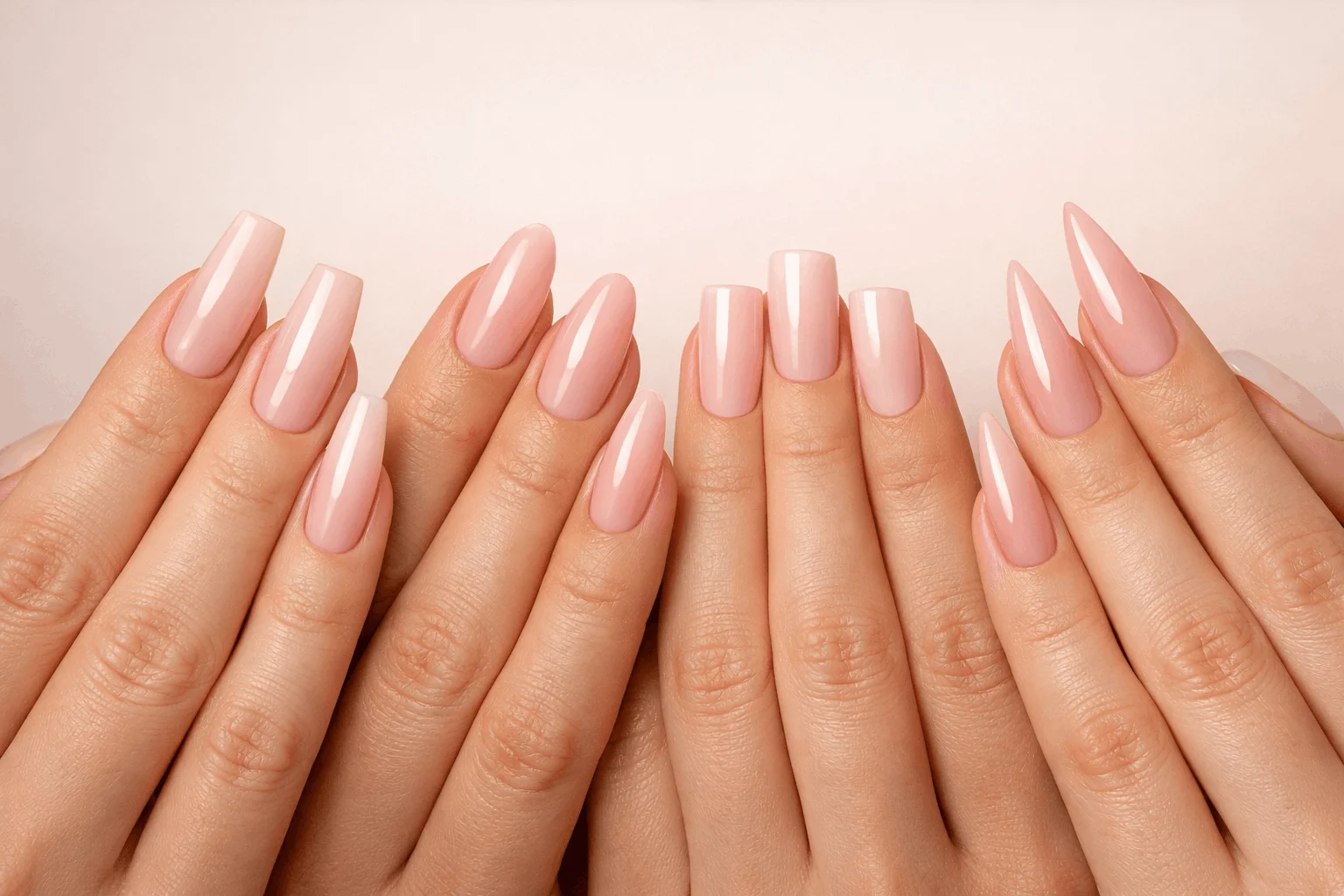
Acrylic nails offer incredible flexibility when it comes to nail shapes.
Popular shapes include:
- Coffin
- Almond
- Square
- Stiletto
- Oval
Because acrylic nail extensions are sculpted during the application process, nail technicians can customize the shape to match personal style preferences.
7. Acrylic Nails Are Perfect for Nail Art

One reason acrylic nails remain popular is their ability to support complex nail art designs.
The strong surface created by acrylic nails allows technicians to add:
- Rhinestones
- 3D nail decorations
- Glitter designs
- Intricate hand-painted art
Many elaborate nail designs you see online are created on acrylic nail extensions because the structure provides a stable base.
8. Acrylic Nails Require Professional Application
While some DIY kits exist, professional salons usually provide the best results.
A trained nail technician understands how acrylic nails work and knows how to properly prepare the natural nail before applying the acrylic mixture.
Correct preparation helps prevent lifting, cracking, and damage to the natural nail.
9. The Application Process Takes About One Hour

A full acrylic manicure usually takes around 60 to 90 minutes.
The process typically includes:
- Nail preparation
- Applying nail tips or forms
- Building acrylic layers
- Shaping and filing
- Applying polish or design
Because the acrylic mixture hardens quickly, experienced technicians must work efficiently while shaping the nails.
10. Acrylic Nails Need Regular Maintenance
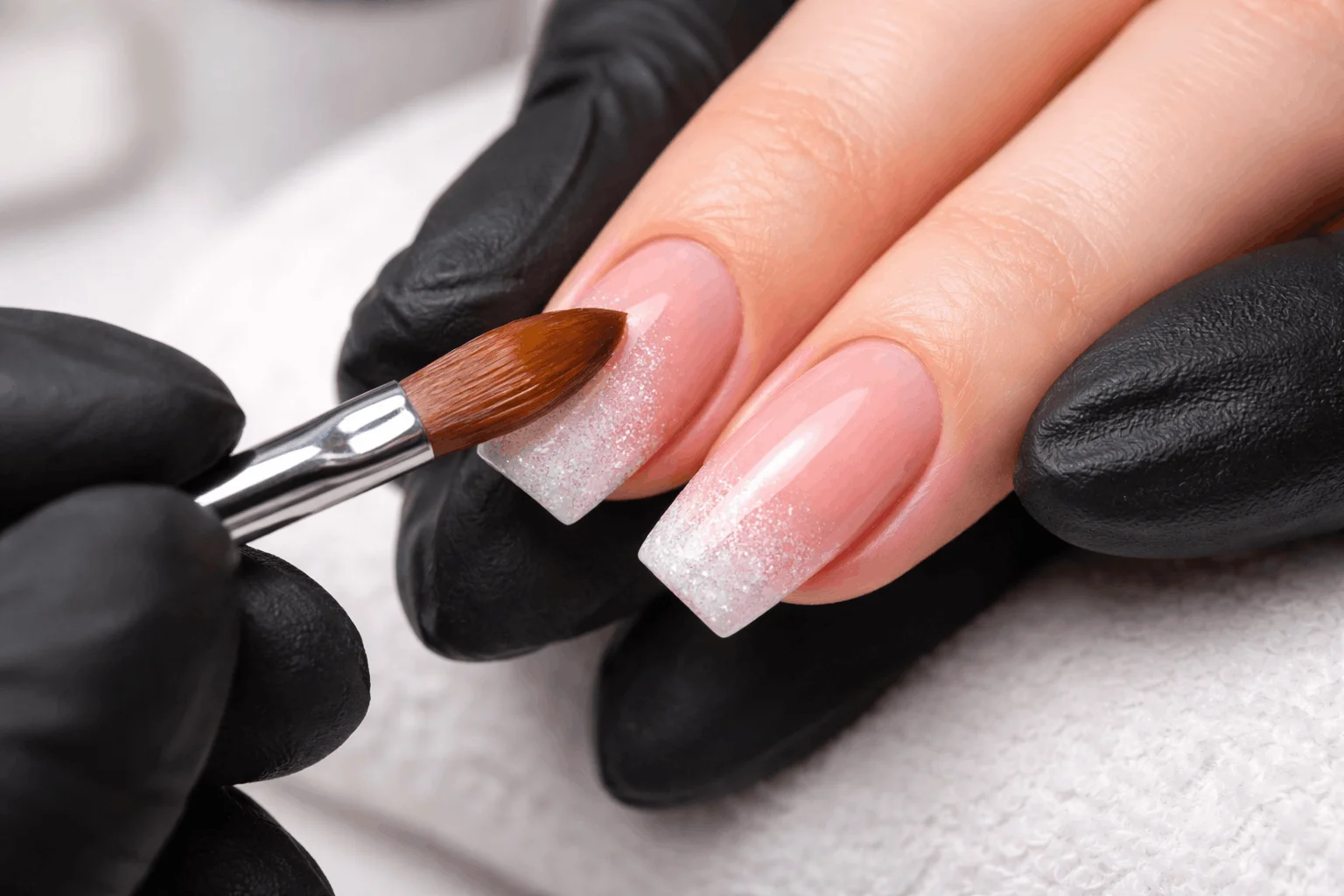
To keep acrylic nails looking fresh, regular maintenance is required.
As natural nails grow, a gap appears between the cuticle and the acrylic layer. Nail technicians fill this gap with new acrylic during a maintenance appointment.
Most people schedule fills every 2–3 weeks to maintain their manicure.
11. Acrylic Nails Protect Weak Natural Nails
For people with fragile or brittle nails, acrylic nails can provide extra support.
The hardened acrylic layer acts like a shield that protects the natural nail underneath from everyday damage.
This protective effect is another reason many people choose acrylic nail extensions.
12. Acrylic Nails Have Been Popular for Decades
Acrylic nails have been around since the 1950s. Over the years, the technology behind them has improved significantly.
Modern acrylic formulas are safer, more flexible, and easier to shape than early versions.
Despite newer manicure trends, acrylic nails continue to dominate many salons around the world.
13. Acrylic Nails Can Be Painted with Any Polish
Another benefit of acrylic nails is their versatility with nail polish.
Once the acrylic base is created, you can apply:
- Regular nail polish
- Gel polish
- Chrome powder
- Matte finishes
This flexibility allows endless customization options for every style.
14. Acrylic Nails Can Be Short or Long
Although many people associate acrylic nails with dramatic long designs, they can also be worn short.
Short acrylic nail extensions offer a natural-looking manicure while still providing added strength and durability.
This makes them suitable for both everyday wear and special occasions.
15. Acrylic Nails Are Different from Gel Nails
Acrylic nails and gel nails are often confused, but they are quite different.
Acrylic nails harden through air exposure after the monomer and polymer are mixed.
Gel nails, on the other hand, cure under a UV or LED lamp.
Both options create beautiful manicures, but acrylic nails are usually stronger and better for longer nail extensions.
16. Acrylic Nails Can Be Removed Safely
Removing acrylic nails should always be done carefully.
The safest method involves soaking the nails in acetone to dissolve the acrylic material. After soaking, the softened acrylic can be gently removed without damaging the natural nail.
Understanding how acrylic nails work helps explain why proper removal is important.
17. Acrylic Nails Can Last Several Weeks
One of the biggest benefits of acrylic nails is their long-lasting nature.
With proper care and maintenance, acrylic nails can remain beautiful for three to four weeks before needing a fill.
This durability makes them a convenient choice for busy lifestyles.
18. Acrylic Nails Allow Creative Nail Shapes
Some nail shapes are difficult or impossible to achieve with natural nails alone.
Because acrylic nail extensions are sculpted with a moldable mixture, technicians can create dramatic shapes like stiletto or coffin nails that hold their structure.
This ability to create unique shapes is one reason acrylic nails are favored by fashion lovers.
19. Acrylic Nails Require Proper Nail Care
Maintaining acrylic nails requires a few simple habits:
- Moisturizing cuticles
- Avoiding harsh chemicals
- Wearing gloves during cleaning
- Scheduling regular fills
Good nail care ensures that both the acrylic manicure and the natural nails remain healthy.
20. Acrylic Nails Can Be Customized for Every Style
Acrylic nails are incredibly versatile. Whether someone prefers minimal nude nails or bold artistic designs, acrylic nails can be adapted to match any aesthetic.
From elegant French tips to dramatic glitter styles, the possibilities are almost endless.
21. Acrylic Nails Are Ideal for Special Events

Many people choose acrylic nails for weddings, birthdays, vacations, or photoshoots.
The long-lasting and customizable nature of acrylic nail extensions makes them perfect for special occasions where you want your manicure to look flawless.
22. Acrylic Nails Continue to Dominate Nail Trends
Despite the rise of gel manicures and dip powder nails, acrylic nails remain one of the most requested salon services.
Their strength, flexibility, and creative potential keep them at the center of nail fashion trends.
Understanding what are acrylic nails and how acrylic nails work helps explain why they have stayed popular for decades.
Conclusion
Acrylic nails are one of the most versatile and durable manicure options available today. By combining liquid monomer and powder polymer, nail technicians create a strong structure that enhances the appearance of natural nails.
From elegant everyday styles to dramatic nail art, acrylic nail extensions allow endless creativity and customization. Now that you understand what are acrylic nails and how acrylic nails work, it becomes clear why they remain a favorite in salons around the world.
With proper care and maintenance, acrylic nails can provide a long-lasting, beautiful manicure that suits any lifestyle.
FAQs
1. What are acrylic nails made of?
Acrylic nails are made from a mixture of liquid monomer and powder polymer that forms a hard protective layer over the natural nail.
2. How acrylic nails work during application?
The liquid and powder combine to create a moldable paste that hardens in air, forming a strong artificial nail surface.
3. How long do acrylic nails last?
Acrylic nails usually last about 2–3 weeks before needing a fill as the natural nail grows.
4. Are acrylic nail extensions safe for natural nails?
Yes, when applied and removed properly by a professional, acrylic nail extensions are generally safe and can even protect weak nails.
5. Can acrylic nails be removed at home?
They can be removed by soaking them in acetone, but professional removal is recommended to avoid damage.


