
21 Ways to Strengthen Damaged Nails After Acrylic Fast
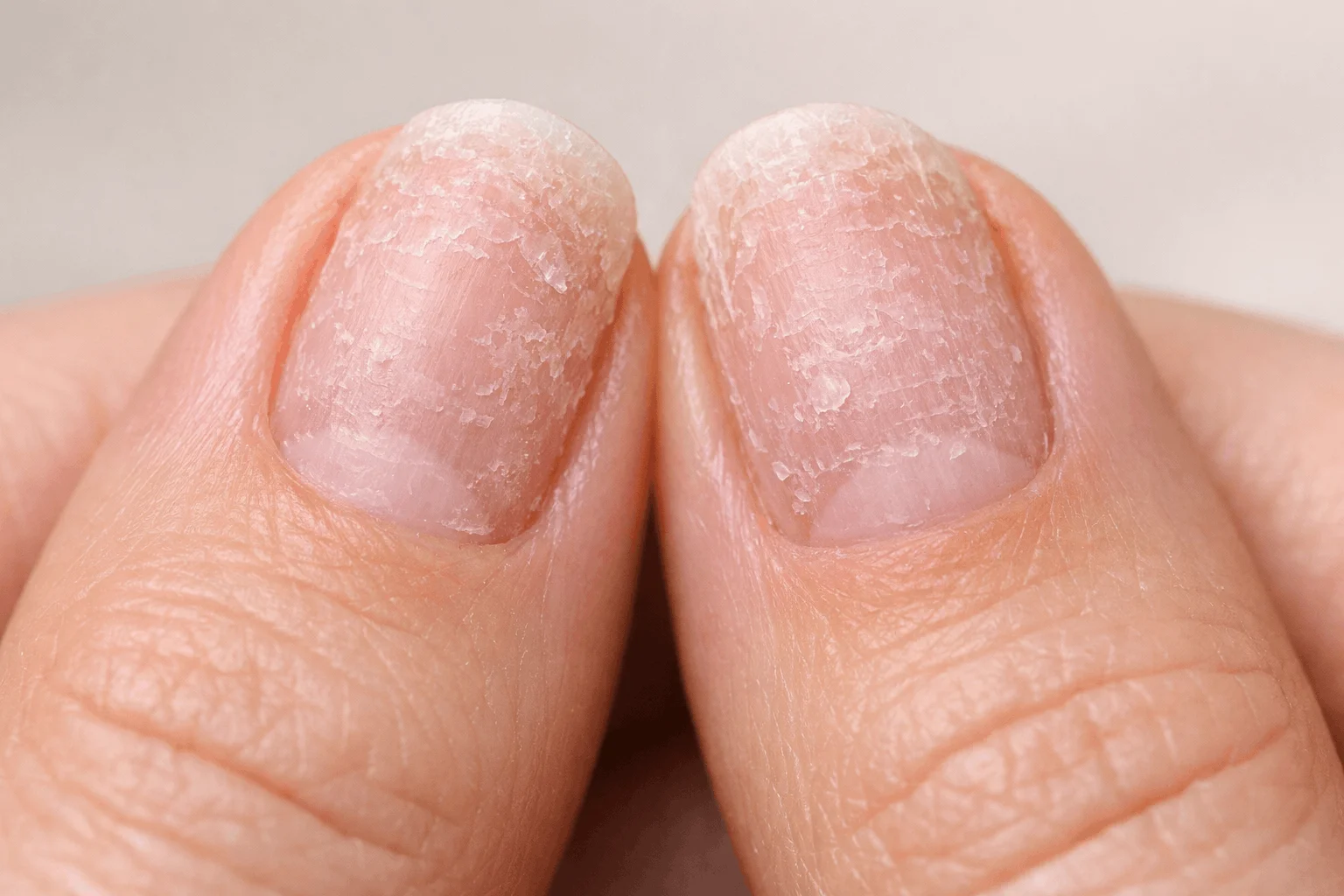
Acrylic nails can look glamorous, long, and perfectly shaped. However, after weeks of wearing them, many people notice their natural nails become thin, weak, brittle, or even peeling once the acrylics are removed. This happens because the nail surface is buffed during application and exposed to strong chemicals during removal.
If you are struggling with fragile nails, don’t worry. With the right care routine and a little patience, you can strengthen damaged nails after acrylic and restore their natural health faster than you might think.
In this guide, you’ll discover 21 effective ways to repair nails after acrylic removal, nourish your nail beds, and bring your natural nails back to life.
Why Nails Become Weak After Acrylics
Before learning how to fix damaged nails from acrylics, it helps to understand why the damage occurs.
Acrylic nails require filing the natural nail surface so the artificial layer can adhere properly. Over time, repeated filing, glue, and harsh chemicals like acetone can weaken the natural nail plate.
Common signs of acrylic nail damage include:
- Thin and flexible nails
- Peeling or splitting layers
- White spots or rough texture
- Increased nail sensitivity
- Slow nail growth
The good news is that nails regenerate naturally. With proper care and protection, your nails can fully recover.
21 Ways to Strengthen Damaged Nails After Acrylic Fast
1. Keep Your Nails Short
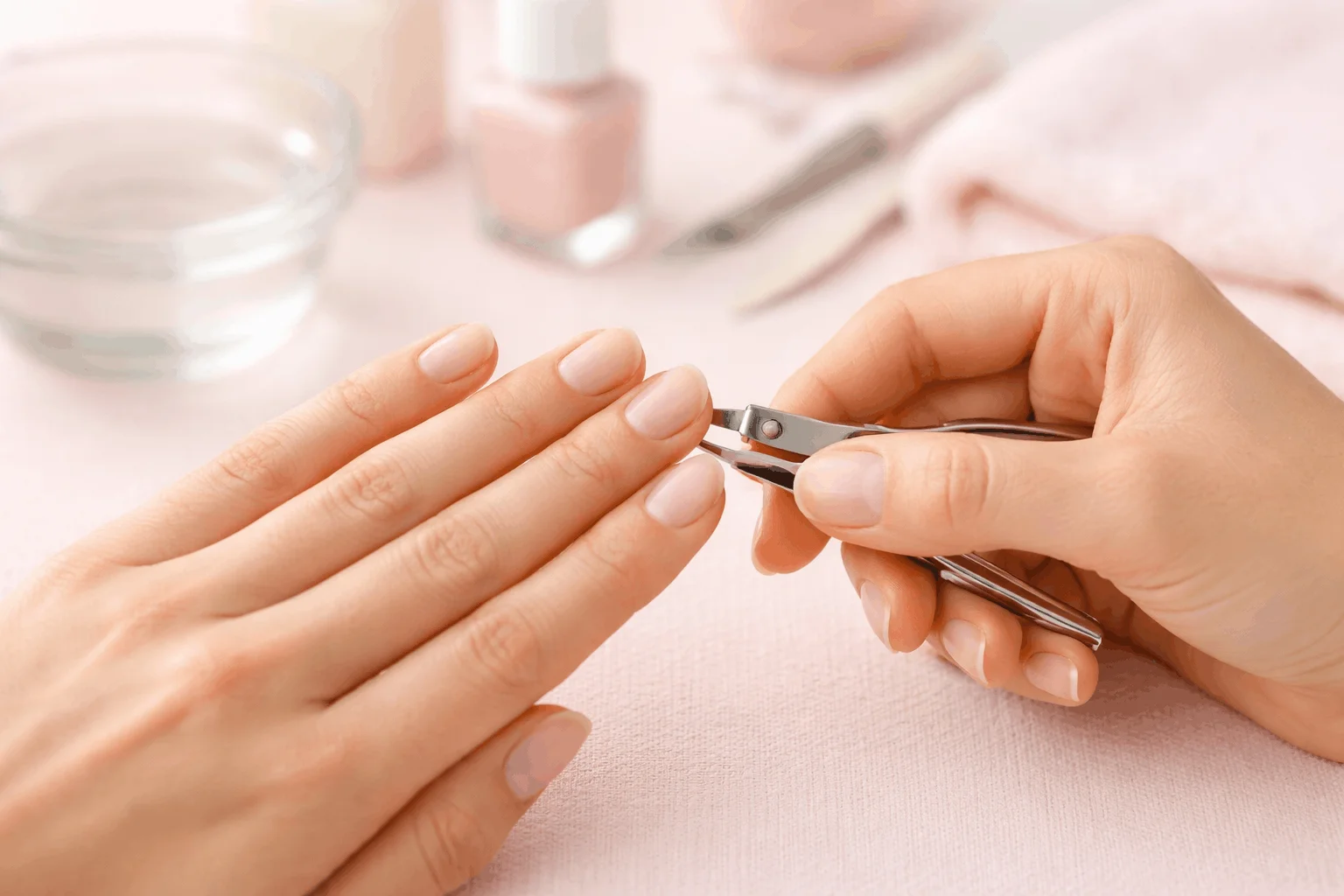
Short nails are less likely to break or split while they recover. Trimming them regularly reduces pressure on the weakened nail plate and allows healthy growth from the base.
Use a gentle nail file instead of aggressive clippers if your nails are extremely fragile.
2. Moisturize Your Cuticles Daily
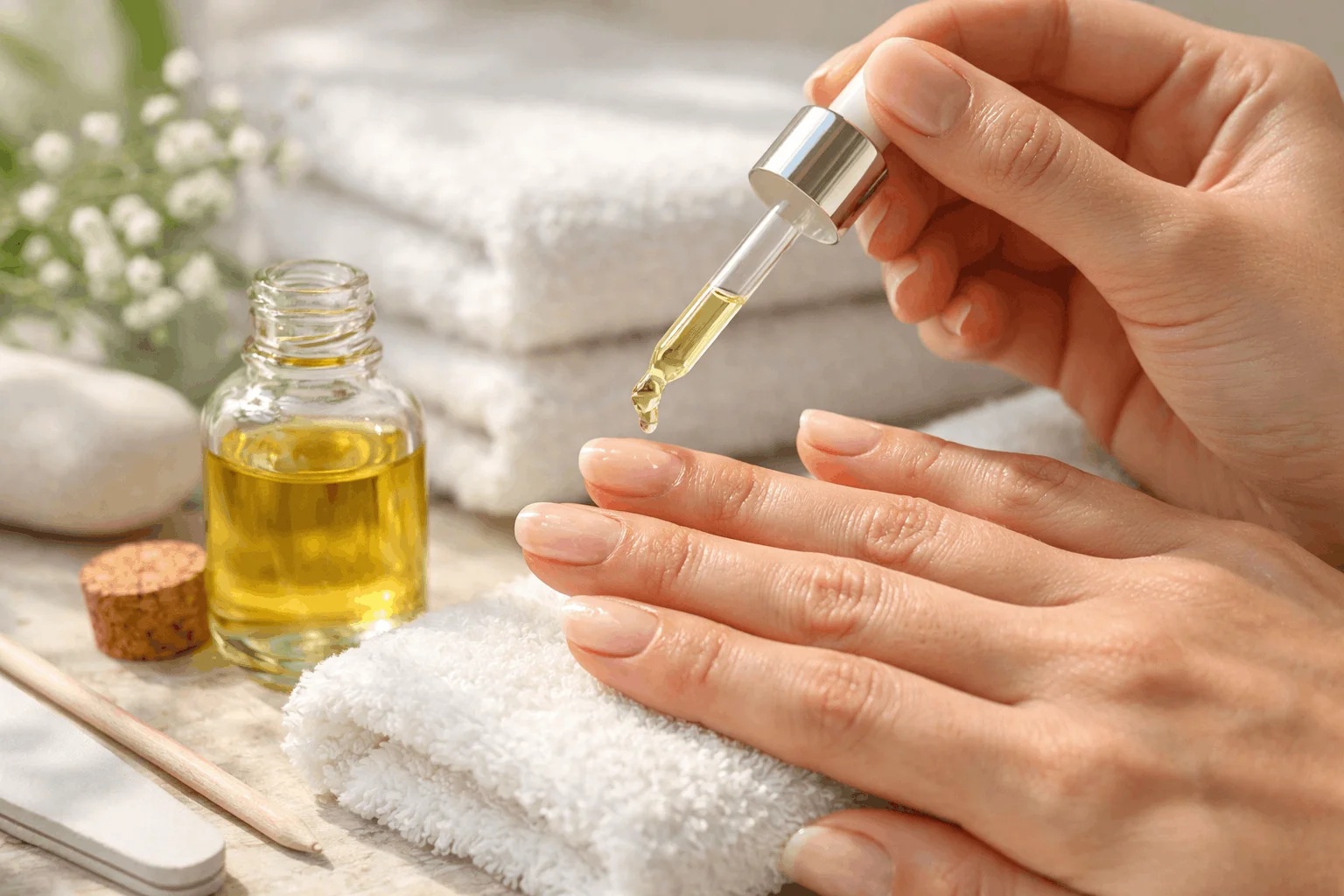
Healthy nails start at the cuticle. Applying cuticle oil every day nourishes the nail matrix where growth begins.
Great oils include:
- Jojoba oil
- Vitamin E oil
- Almond oil
- Coconut oil
Massaging the oil improves circulation and helps repair nails after acrylic removal faster.
3. Use a Nail Strengthener
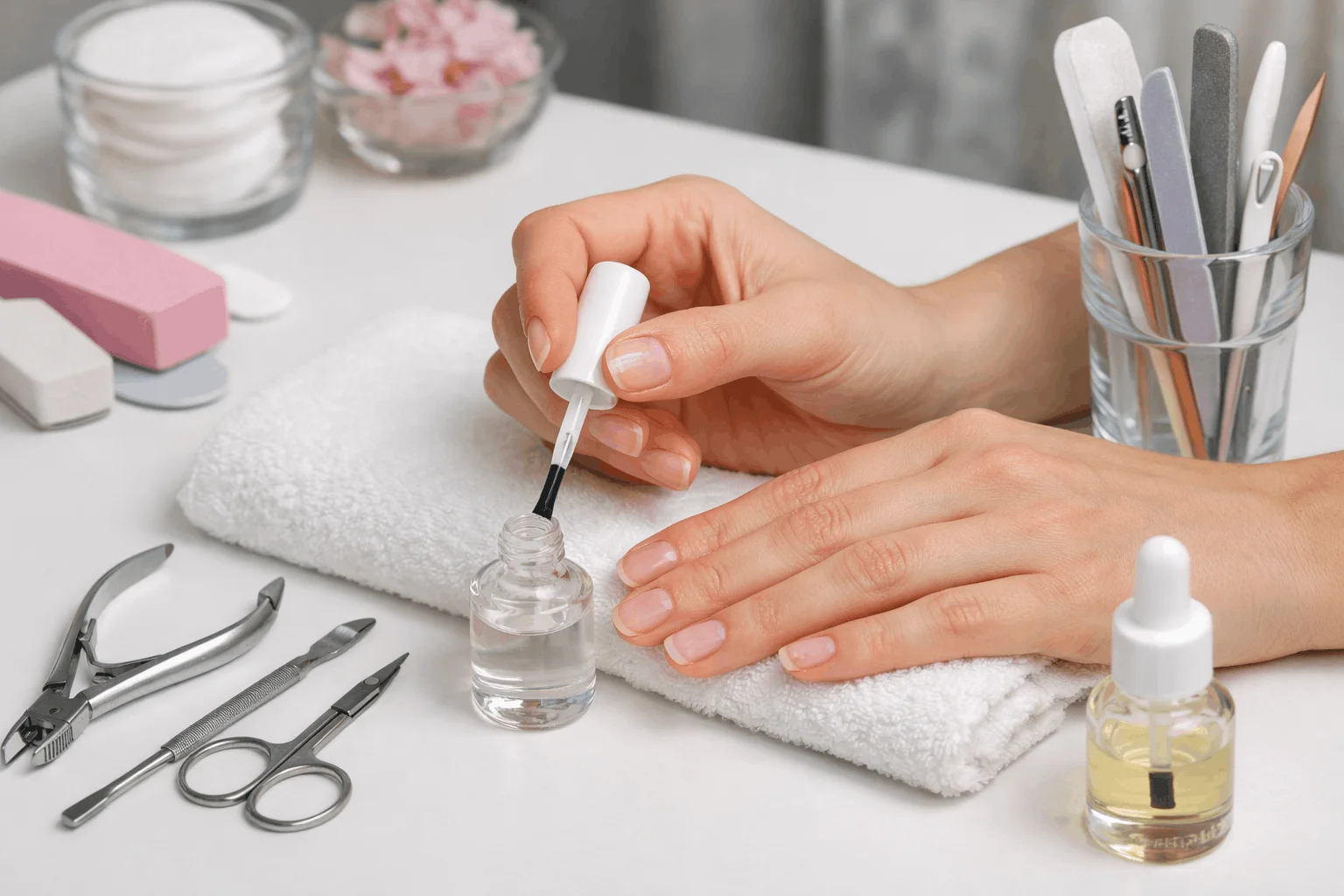
A quality nail strengthener acts like a protective shield over thin nails. Many formulas contain keratin, calcium, or protein that helps reinforce the nail plate.
Apply it like a clear polish once or twice a week while your nails recover.
4. Avoid Acrylics for a While
One of the most important steps when learning how to fix damaged nails from acrylics is giving your nails a break.
Allow your natural nails to breathe and grow without artificial overlays for several weeks or even months.
5. Apply Coconut Oil Before Bed
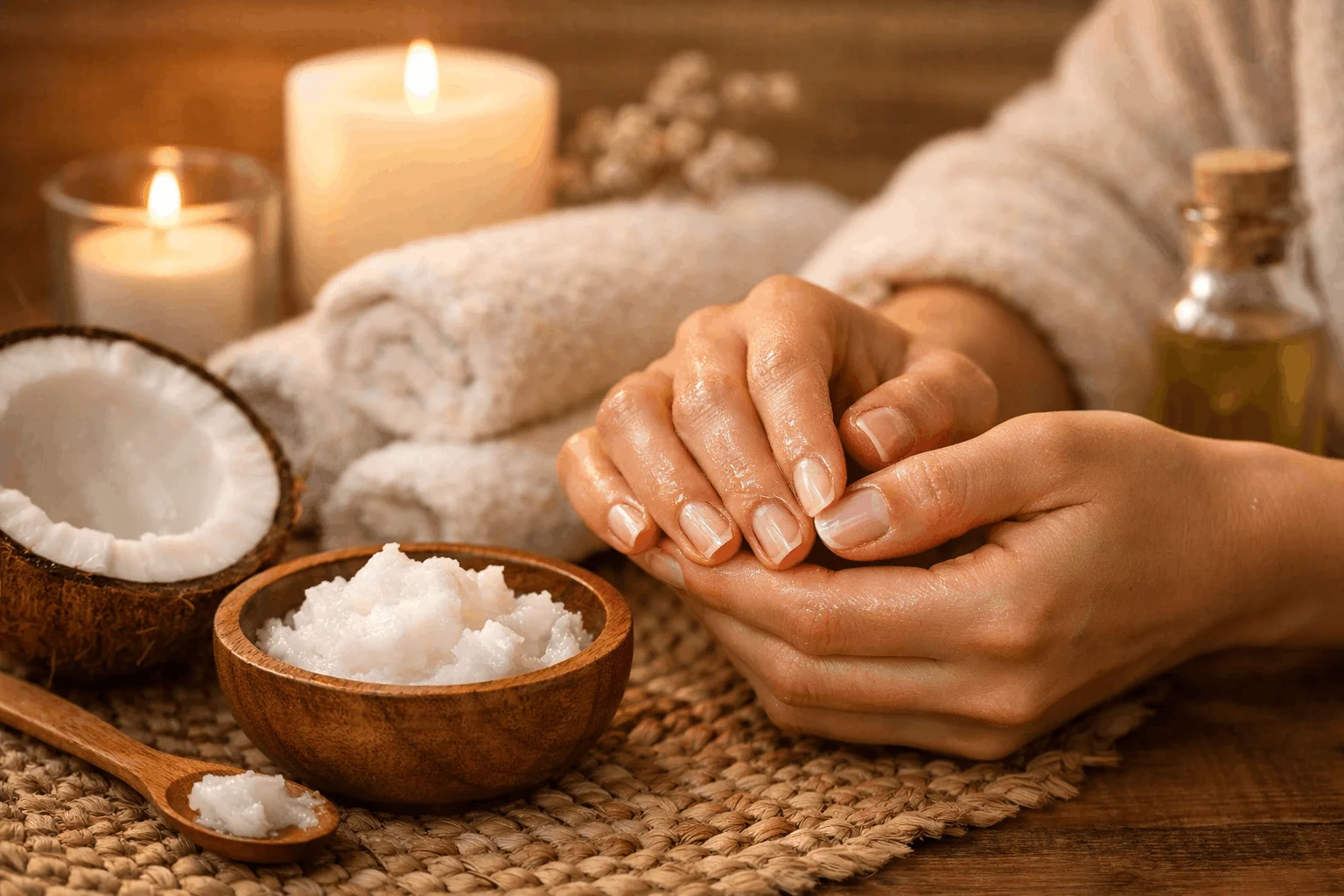
Coconut oil deeply hydrates the nail plate and surrounding skin.
Before going to sleep:
- Warm a small amount of coconut oil
- Massage it into nails and cuticles
- Leave it overnight
This simple habit can dramatically strengthen damaged nails after acrylic over time.
6. Take Biotin Supplements
Biotin is a B-vitamin known to support stronger nails and hair growth.
Many dermatologists recommend biotin supplements for people with brittle nails because it improves nail thickness and durability.
Always consult a healthcare professional before starting supplements.
7. Wear Gloves During Cleaning
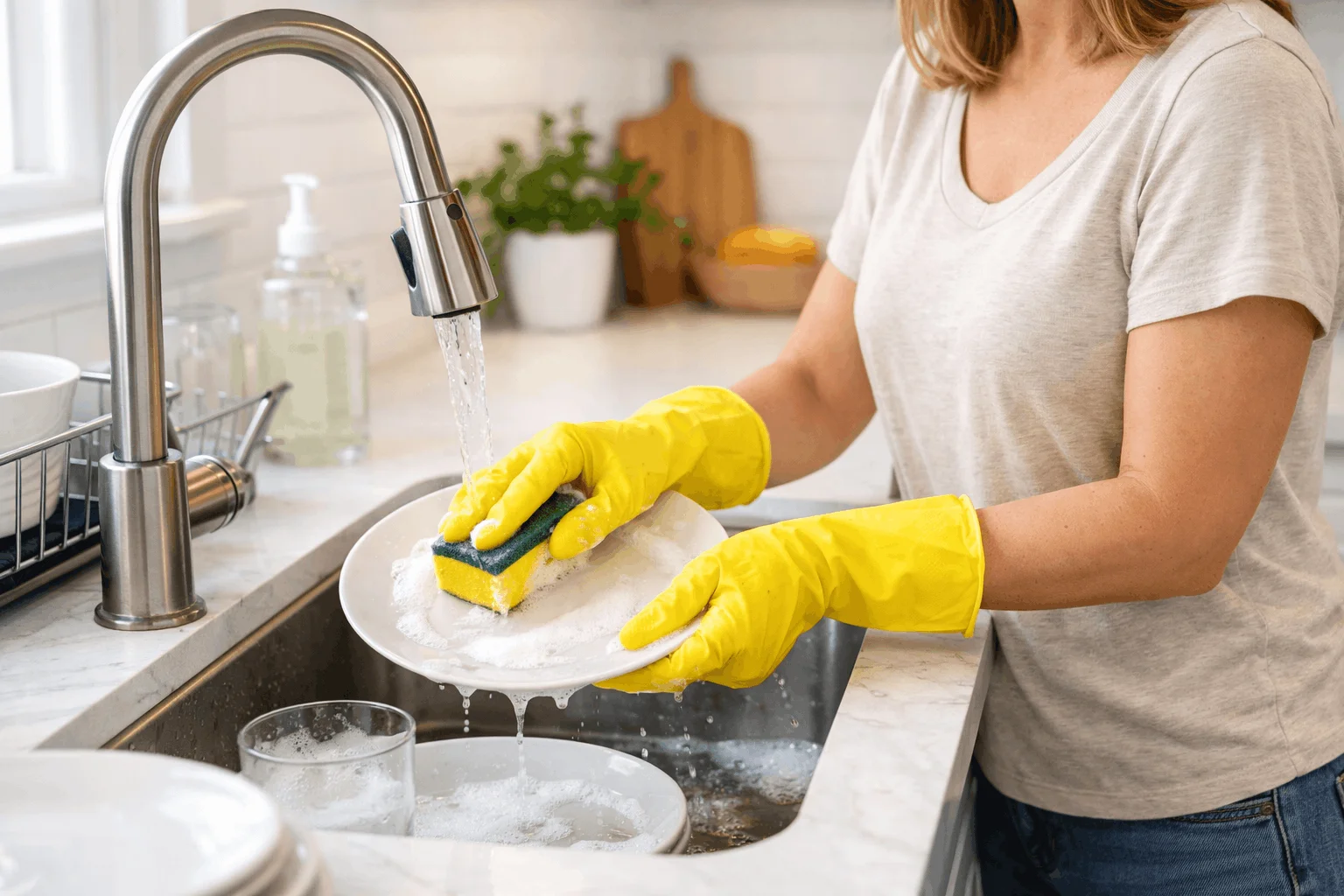
Household cleaning chemicals are extremely harsh on weakened nails.
When washing dishes or cleaning surfaces, always wear rubber gloves. This protects nails from moisture damage and chemical exposure.
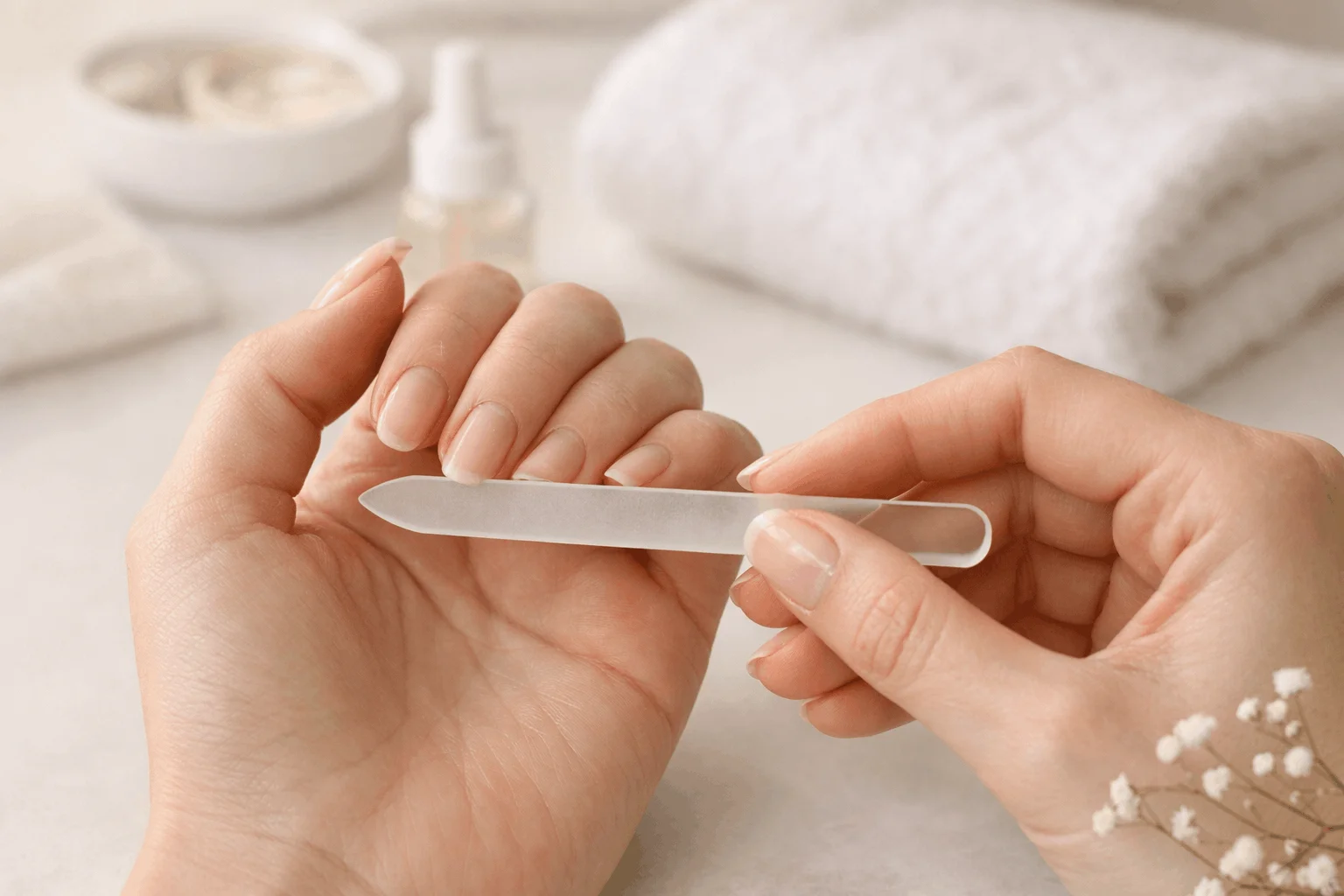
8. Use Gentle Nail Files
Metal nail files can be too rough for fragile nails.
Instead, choose:
- Glass nail files
- Crystal files
- Fine-grit emery boards
These prevent further splitting while shaping your nails.
9. Hydrate Your Hands Regularly
Hand creams keep both skin and nails hydrated. Dry nails are more likely to crack and peel.
Look for creams containing:
- Shea butter
- Glycerin
- Hyaluronic acid
- Vitamin E
Regular hydration helps repair nails after acrylic removal more effectively.
10. Avoid Excessive Water Exposure
Constant water exposure softens nails, making them more prone to bending and breaking.
If you wash your hands frequently, apply hand cream afterward to restore moisture balance.
11. Try a Keratin Nail Treatment
Keratin treatments rebuild damaged nail layers. These products bond to the nail surface and provide strength while your natural nail grows out.
They are particularly helpful if your nails feel paper-thin after acrylic removal.
12. Use Nail Hardening Base Coats
Base coats formulated for strengthening can help protect fragile nails.
Even if you don’t wear colored polish, applying a strengthening base coat provides an extra barrier.
13. Eat Nail-Healthy Foods
Nutrition plays a major role in nail recovery.
Foods that support nail strength include:
- Eggs
- Nuts
- Leafy greens
- Avocados
- Salmon
A balanced diet supports the body’s natural ability to strengthen damaged nails after acrylic.

14. Avoid Peeling Off Polish
Peeling polish or gel off your nails removes layers of the nail plate.
Always use proper nail polish remover and gently wipe the polish away instead of pulling it off.
15. Use Acetone Sparingly
Acetone is extremely drying. While it is effective at removing polish, frequent use can worsen nail damage.
Choose non-acetone removers whenever possible.
16. Massage Your Nail Beds
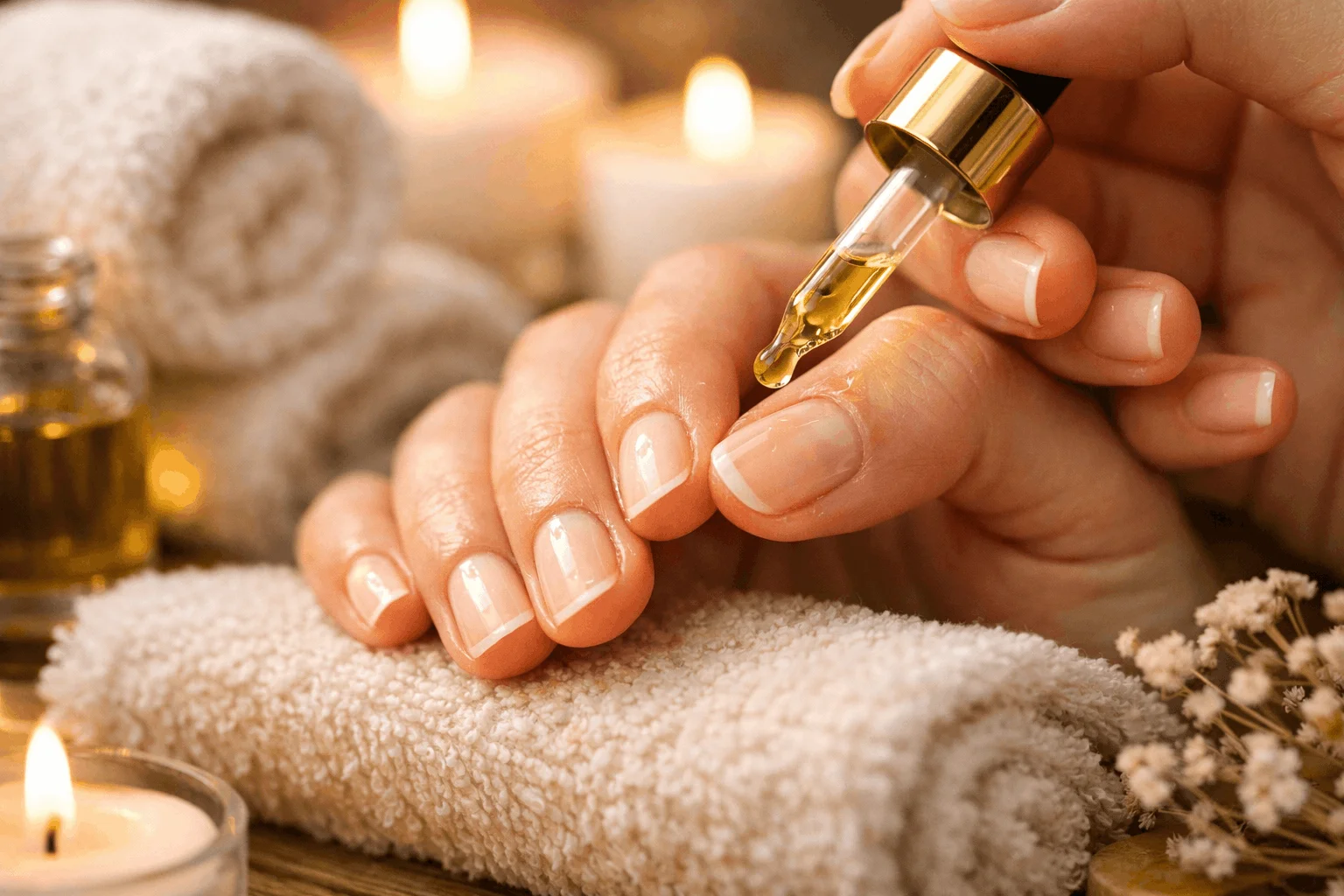
Daily nail massages improve blood circulation to the nail matrix.
Better circulation means more nutrients reach the nail root, helping nails grow stronger and healthier.
This technique can greatly help repair nails after acrylic removal.
17. Try Nail Recovery Masks
Just like skin masks, nail masks provide intense hydration and nourishment.
Some treatments include ingredients such as:
- Collagen
- Keratin
- Vitamin oils
Using these weekly can accelerate recovery.
18. Avoid Biting or Picking Your Nails
Nail biting damages the nail structure and cuticles, slowing down recovery.
If this is a habit, try keeping nails polished or applying bitter nail solutions to discourage biting.
19. Buff Nails Gently
Light buffing can smooth rough surfaces left after acrylic removal.
However, avoid over-buffing since it can thin nails further. Gentle polishing once every few weeks is enough.
20. Try Natural Nail Soaks
Warm nail soaks can nourish nails and cuticles.
Popular options include:
- Olive oil soak
- Milk and honey soak
- Green tea soak
These treatments hydrate nails and help how to fix damaged nails from acrylics naturally.

21. Be Patient with Nail Growth
The most important step is patience.
Natural nails grow slowly—about 3 millimeters per month. Full recovery may take three to six months depending on the severity of damage.
Consistency with healthy nail habits will gradually restore nail strength.
Nail Recovery Timeline After Acrylics
If you’re wondering how long it takes to strengthen damaged nails after acrylic, here’s a general timeline.
Week 1–2
- Nails feel sensitive and thin
- Hydration and protection are crucial
Week 3–4
- New nail growth begins from the base
- Nails start feeling slightly stronger
Month 2–3
- Most damaged portions grow out
- Nails become more durable
Month 4–6
- Full healthy nail plate replaces damaged nail
With the right routine, you can repair nails after acrylic removal faster and prevent future damage.
Tips to Prevent Nail Damage in the Future
Once your nails recover, follow these tips to keep them strong:
- Take breaks between acrylic manicures
- Choose experienced nail technicians
- Avoid aggressive nail filing
- Use cuticle oil regularly
- Maintain a balanced diet
Healthy nail habits will prevent the need to search again for how to fix damaged nails from acrylics.
Final Thoughts
Acrylic nails may look stunning, but they can take a toll on your natural nails if worn frequently or removed improperly. The good news is that nail damage is usually temporary.
By moisturizing daily, protecting your nails, eating nutrient-rich foods, and using strengthening treatments, you can strengthen damaged nails after acrylic and restore their natural beauty.
Consistency is key. With the right care routine, your nails will gradually become stronger, smoother, and healthier than ever.
FAQs
1. How long does it take to strengthen damaged nails after acrylic?
Most nails begin to recover within 3–4 weeks, but full regrowth typically takes about 3–6 months depending on the damage level.
2. What is the fastest way to repair nails after acrylic removal?
Using cuticle oil daily, keeping nails short, applying nail strengtheners, and maintaining a healthy diet can significantly speed up nail recovery.
3. Can damaged nails grow back healthy after acrylics?
Yes. Nails grow from the nail matrix, so as long as the root is healthy, new nails will grow back stronger over time.
4. Should I avoid nail polish while fixing damaged nails?
It’s best to avoid heavy gel or acrylic products, but light strengthening polish or base coats can actually help protect weak nails.
5. What oils are best for damaged nails?
Jojoba oil, coconut oil, almond oil, and vitamin E oil are excellent choices for nourishing nails and cuticles.


