
Dark Spot Removal: The Complete Guide to Clear, Even-Toned, Radiant Skin

Dark spots on the skin are one of the most common skincare concerns worldwide. They appear silently, linger stubbornly, and often refuse to fade even after pimples, sunburn, or rashes have healed. Whether they are small brown patches, acne marks, or uneven pigmentation, dark spots can affect confidence and make the skin look older and duller.
The good news is that dark spot removal is possible—without harsh treatments or unrealistic promises. With the right knowledge, patience, and consistent care, you can gradually restore your skin’s natural clarity and glow.
This complete guide will help you understand why dark spots form, how to treat them safely, and how to prevent them from coming back, using both natural and dermatology-approved methods.
What Are Dark Spots?
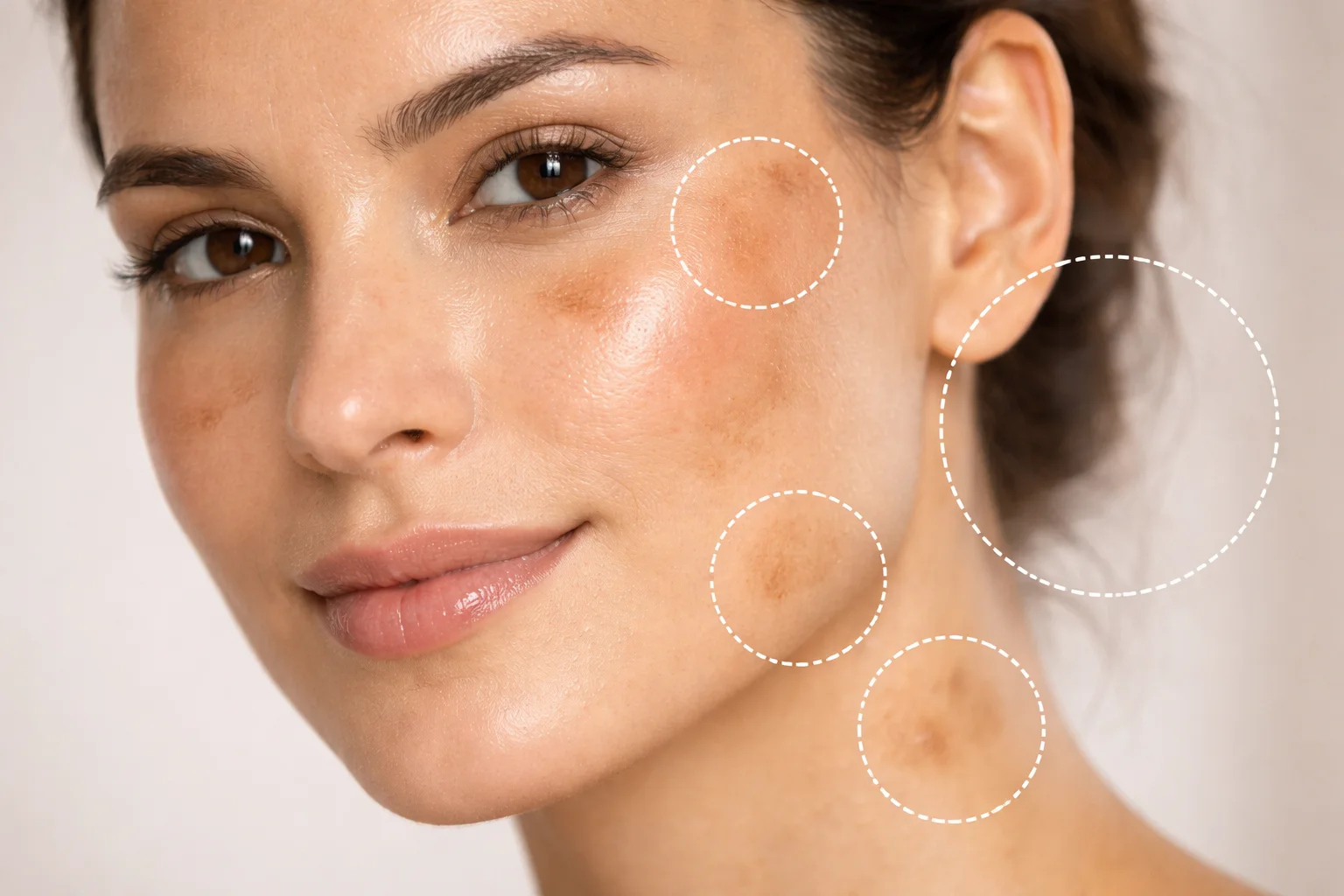
Dark spots—also known as hyperpigmentation—are areas of skin that become darker than the surrounding skin. This happens when excess melanin (the pigment that gives skin its color) is produced in certain areas.
They can appear on:
- Face
- Neck
- Hands
- Arms
- Back
- Chest
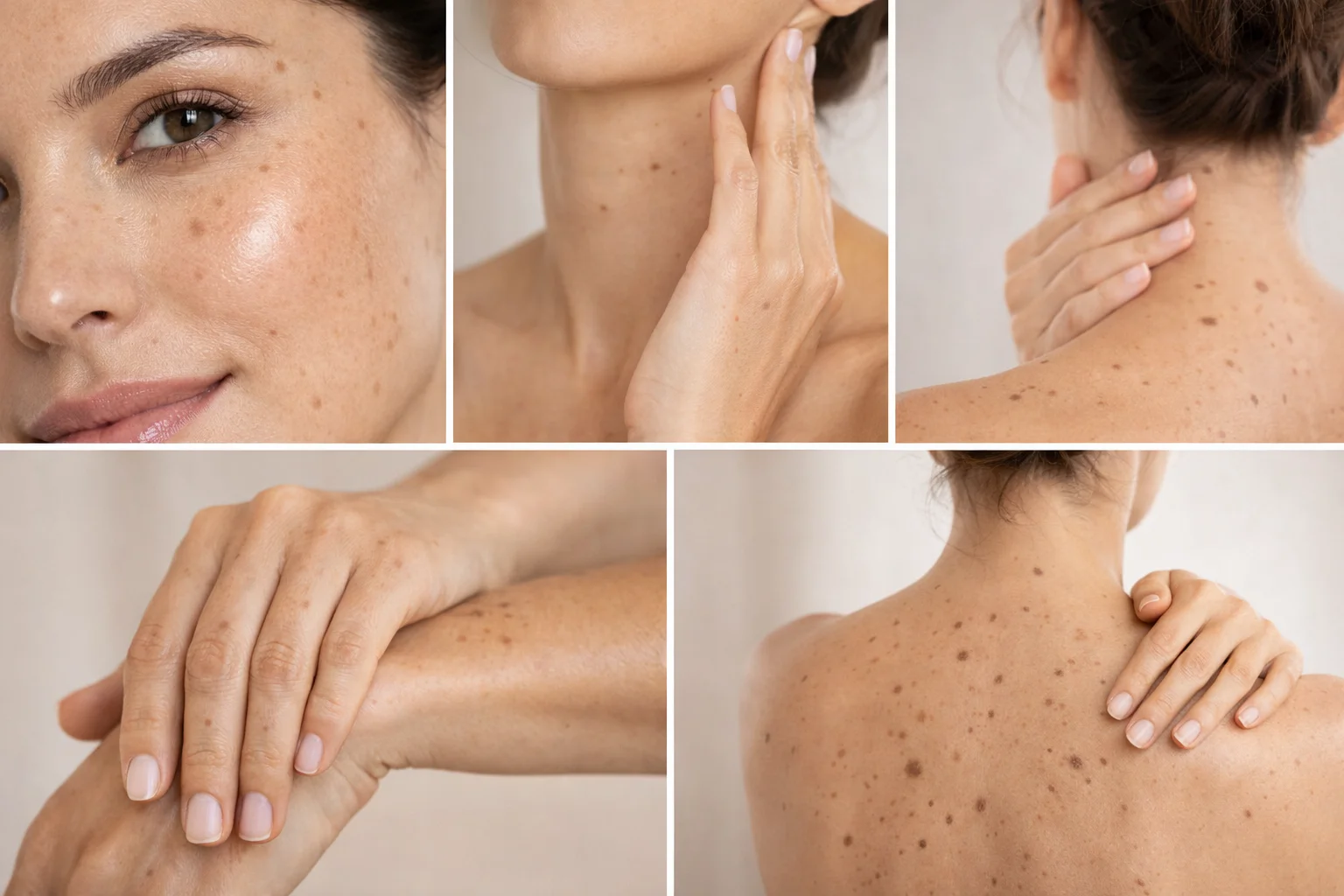
Dark spots are not harmful, but they are often persistent and difficult to fade without proper care.
Common Causes of Dark Spots
Understanding the root cause is the first and most important step in successful dark spot removal.
1. Sun Exposure
Ultraviolet (UV) rays stimulate melanin production. Prolonged sun exposure without protection leads to sunspots, freckles, and uneven pigmentation.

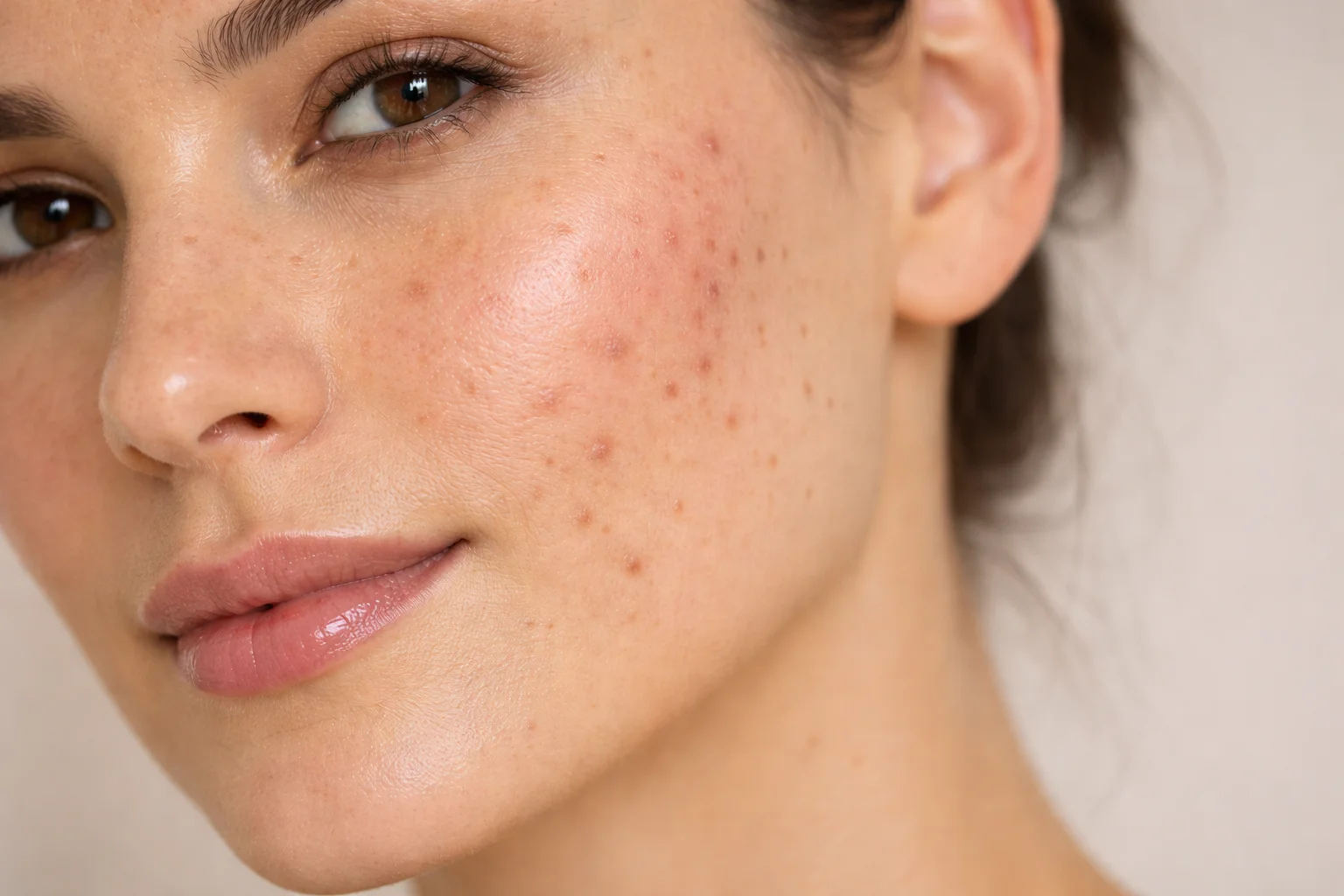
2. Acne and Pimples
After acne heals, it often leaves behind dark marks known as post-inflammatory hyperpigmentation (PIH).
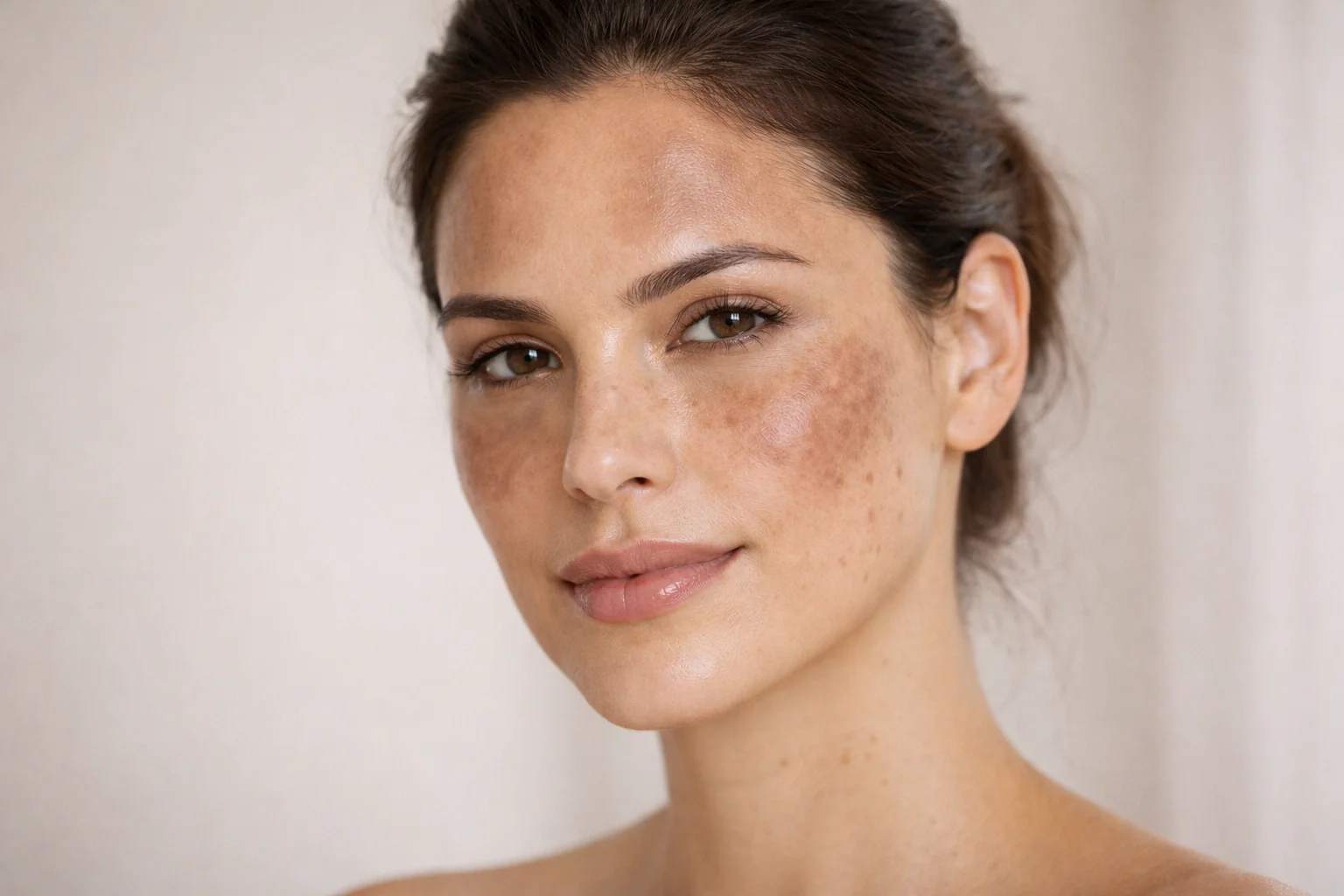
3. Hormonal Changes
Pregnancy, birth control pills, thyroid imbalance, and hormonal disorders can cause melasma—deep, stubborn dark patches.
4. Skin Injuries
Cuts, burns, insect bites, or harsh treatments can trigger excess pigment production.
5. Aging
As skin ages, cell turnover slows, causing dark spots to remain visible longer.
6. Improper Skincare
Using harsh products, over-exfoliating, or mixing active ingredients incorrectly can worsen pigmentation.
Types of Dark Spots
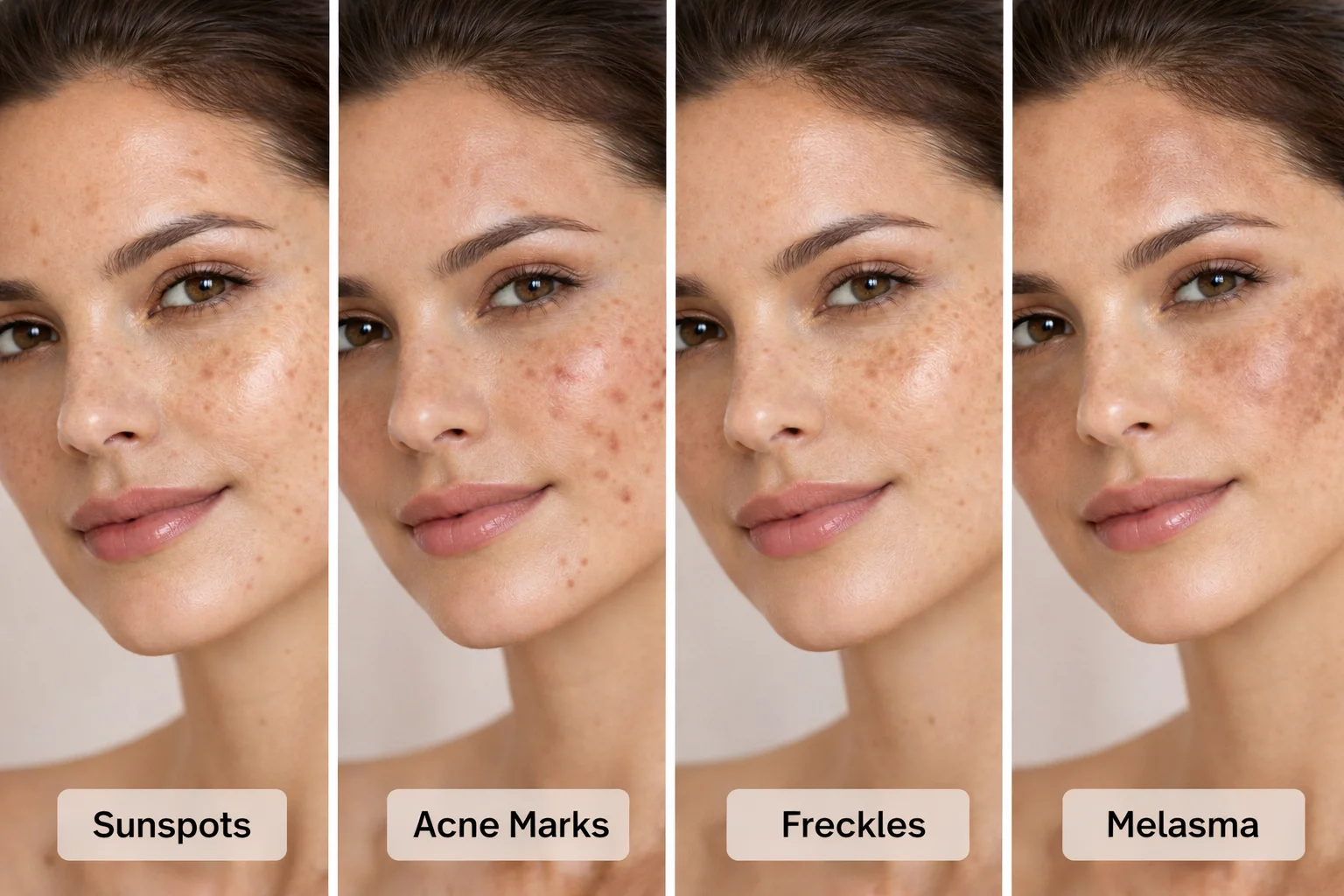
Not all dark spots are the same, and treating them requires different approaches.
Sunspots (Age Spots)
- Caused by UV exposure
- Flat, brown or black
- Common on hands and face
Post-Inflammatory Hyperpigmentation
- Appears after acne or injury
- Ranges from light brown to deep black
Melasma
- Hormonal pigmentation
- Symmetrical patches on cheeks and forehead
- Harder to treat
Freckles
- Genetic and sun-induced
- Usually harmless
How Long Does Dark Spot Removal Take?
This is one of the most frequently asked questions.
The truth is: there is no overnight solution.
- Mild spots: 4–6 weeks
- Moderate pigmentation: 2–3 months
- Deep or hormonal spots: 6 months or longer
Consistency matters more than speed. Any product or remedy promising instant results should be approached with caution.
Natural Remedies for Dark Spot Removal
Nature provides gentle yet effective solutions for pigmentation when used consistently.
1. Aloe Vera Gel
Aloe vera contains aloin, which helps inhibit melanin production.

How to use:
Apply fresh aloe gel directly to dark spots every night.
2. Lemon Juice (With Caution)
Rich in vitamin C and citric acid, lemon can lighten pigmentation.
Tip:
Always dilute lemon juice with water and apply only at night. Use sunscreen the next day.
3. Turmeric
Turmeric reduces melanin production and inflammation.

DIY Mask:
Mix turmeric with yogurt or honey and apply 2–3 times a week.
4. Potato Juice
Potatoes contain natural enzymes that brighten skin.
How to use:
Rub potato slices on dark spots daily for gradual results.
5. Green Tea Extract
Powerful antioxidants reduce pigmentation and sun damage.
Best Skincare Ingredients for Dark Spot Removal
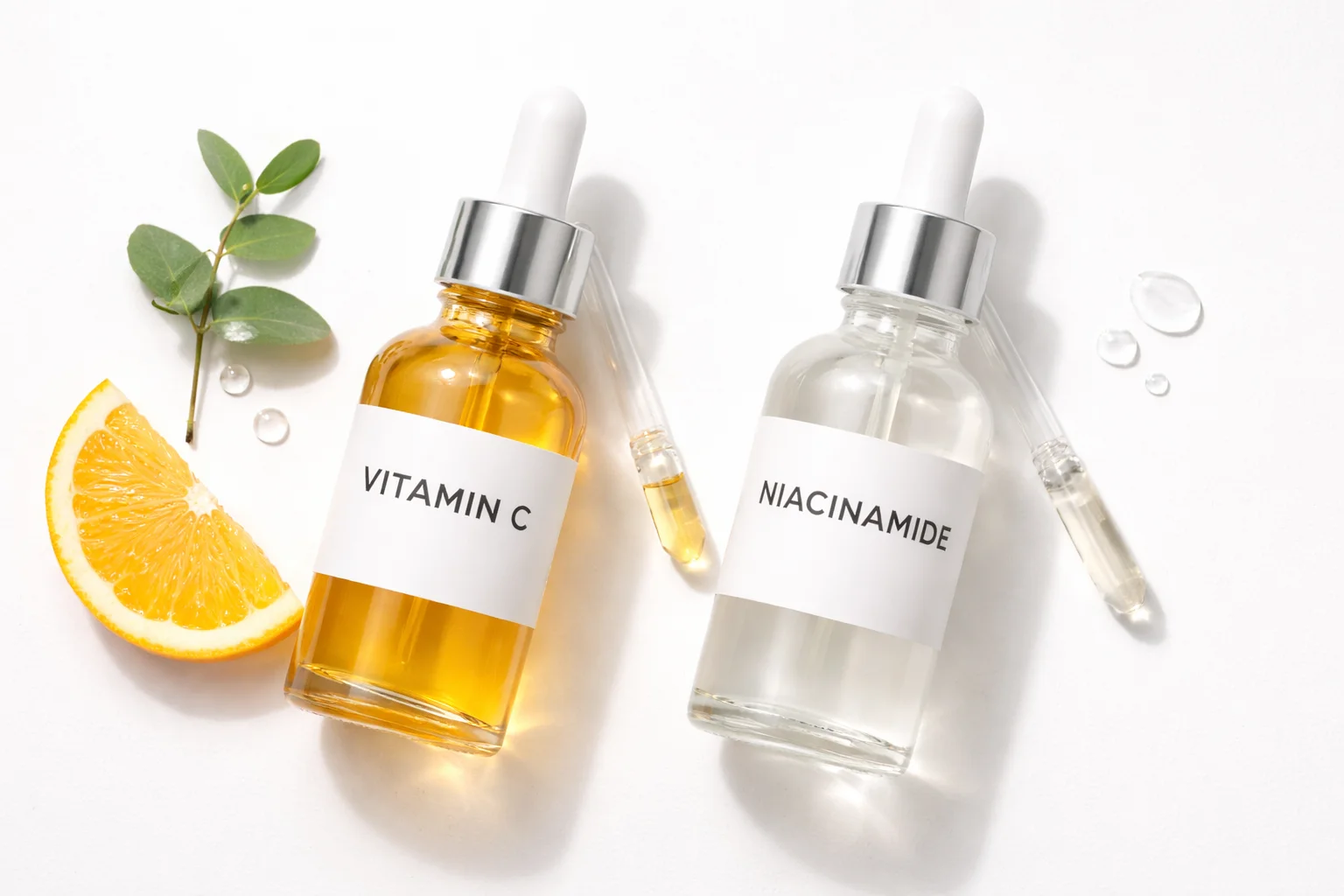
If you prefer products, look for these dermatologist-approved ingredients.
Vitamin C
- Brightens skin
- Reduces pigmentation
- Boosts collagen
Niacinamide
- Improves skin barrier
- Reduces dark spots
- Suitable for sensitive skin
Alpha Arbutin
- Inhibits melanin production
- Gentle and effective
Licorice Extract
- Soothes skin
- Lightens pigmentation naturally
Retinol
- Increases cell turnover
- Fades dark spots over time
Daily Skincare Routine for Dark Spot Removal
A proper routine is the backbone of successful treatment.
Morning Routine
- Gentle cleanser
- Vitamin C serum
- Moisturizer
- Broad-spectrum sunscreen (SPF 30+)
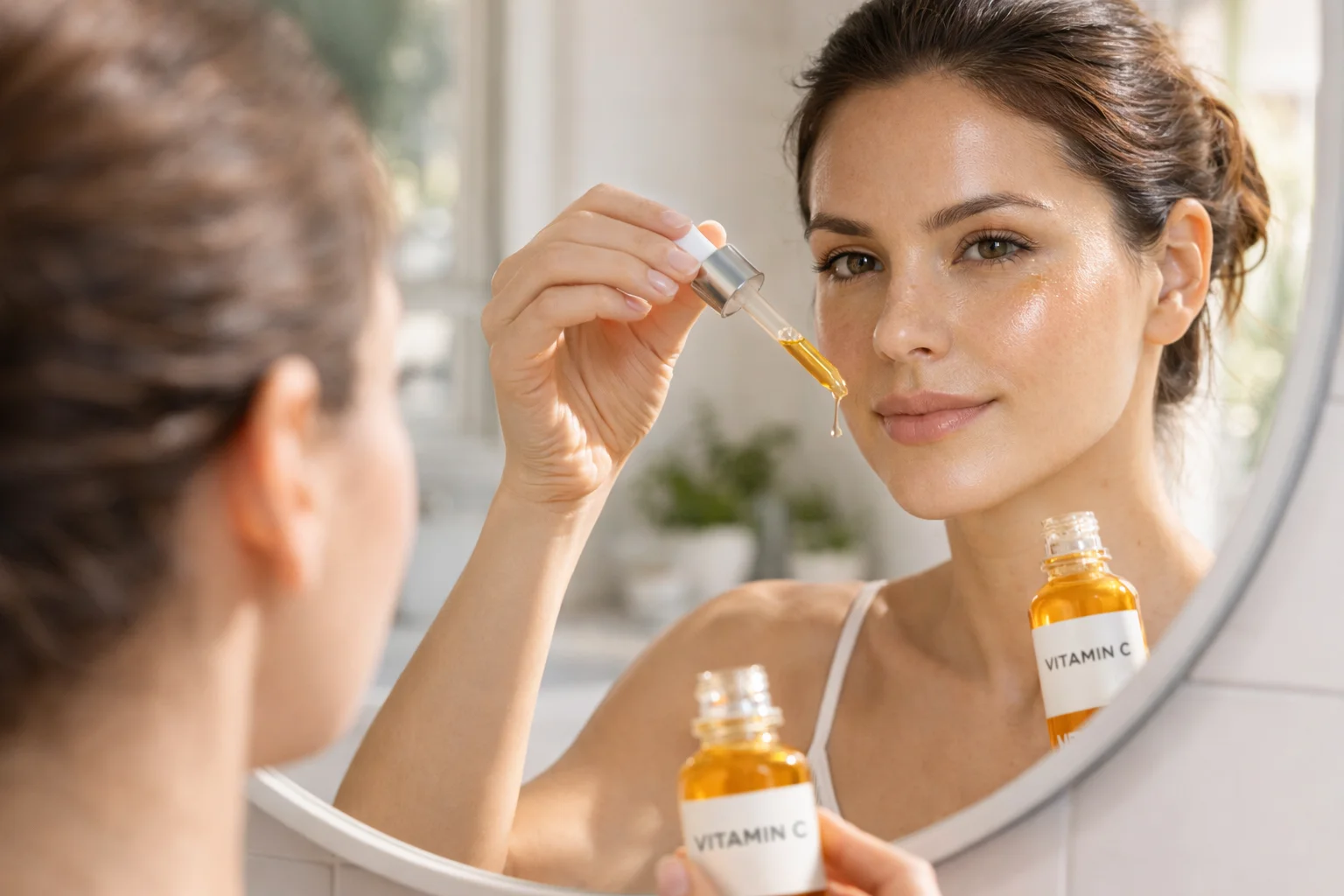
Night Routine
- Cleanser
- Target treatment (niacinamide / retinol)
- Moisturizer
Skipping sunscreen will reverse all progress—no matter how expensive your products are.
Importance of Sunscreen in Dark Spot Removal
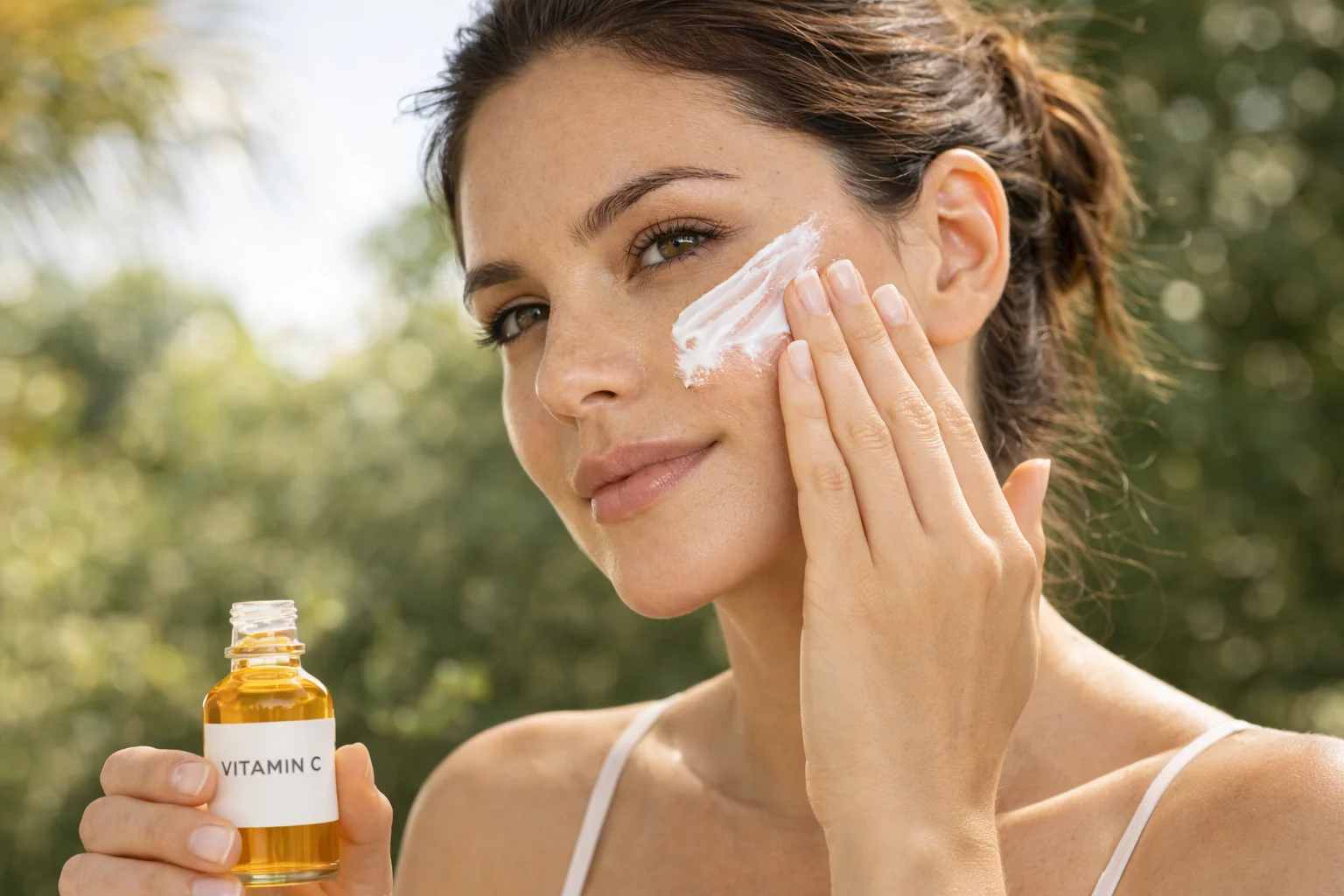
Sunscreen is non-negotiable.
Even the best treatments will fail if skin is exposed to UV rays.
Choose a sunscreen that:
- Has SPF 30 or higher
- Protects against UVA and UVB
- Is reapplied every 2–3 hours
Without sun protection, dark spots will return darker and deeper than before.
Professional Treatments for Dark Spots
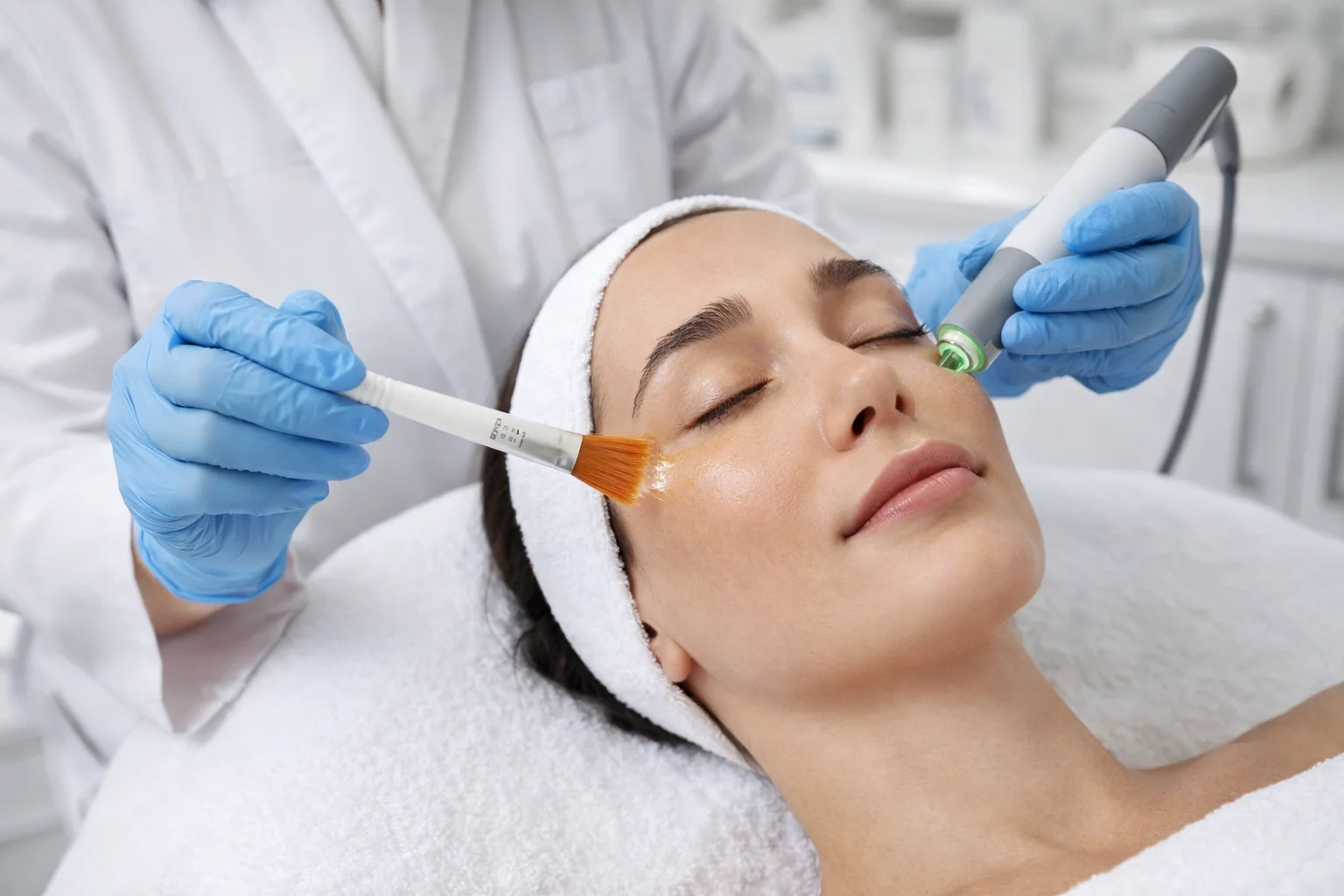
For stubborn pigmentation, dermatological treatments may help.
Chemical Peels
Remove the top pigmented layer of skin.
Laser Therapy
Targets melanin directly with focused light.
Microdermabrasion
Exfoliates dead skin cells to promote new skin growth.
Note: These should always be done under professional supervision.
Mistakes That Worsen Dark Spots
Avoid these common errors:
- Over-exfoliating
- Mixing active ingredients randomly
- Using steroid creams without prescription
- Picking pimples
- Skipping sunscreen
Patience and gentle care are key.
Diet and Lifestyle Tips for Clear Skin

Skin health starts from within.
Eat More:
- Fruits rich in vitamin C
- Leafy greens
- Nuts and seeds
- Omega-3 fatty acids
Drink Plenty of Water
Hydration helps flush toxins and supports skin repair.
Manage Stress
Stress hormones can trigger pigmentation.
Sleep Well
Skin repairs itself while you sleep.
Can Dark Spots Be Prevented?
Yes, prevention is easier than treatment.
- Use sunscreen daily
- Treat acne early
- Avoid harsh skincare
- Maintain a consistent routine
Prevention plays a major role in long-term dark spot removal success.
Myths About Dark Spot Removal
❌ “Natural remedies work overnight”
❌ “More product means faster results”
❌ “Dark skin can’t be treated”
Truth: All skin tones can achieve even pigmentation with the right approach.
Final Thoughts: Your Journey to Clear Skin
Dark spots can be frustrating, but they are not permanent. With the right combination of knowledge, consistency, patience, and protection, visible improvement is absolutely achievable.
True dark spot removal is not about harsh chemicals or quick fixes—it’s about respecting your skin’s natural healing process and supporting it every day.

Remember:
- Be gentle
- Stay consistent
- Protect your skin from the sun
- Trust the process
Clear, even-toned, radiant skin is not a dream—it’s a journey worth taking.
FAQs
Absolutely. Sunscreen is essential because sun exposure can darken existing spots and prevent treatments from working effectively.


