
Natural Skin Repair: The Complete Guide to Healing, Strengthening, and Restoring Your Skin Naturally
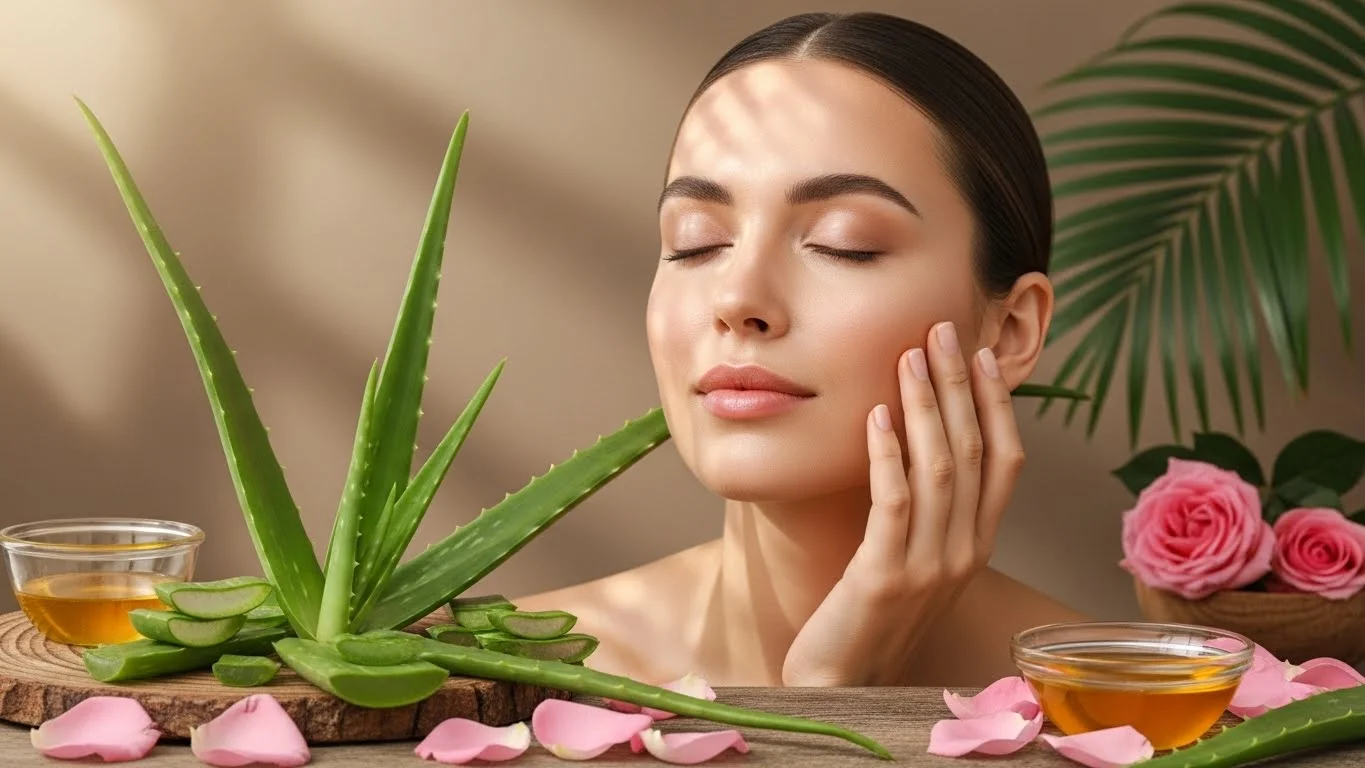
In a world overflowing with instant beauty solutions, chemical peels, and aggressive skincare treatments, many people are beginning to turn back to nature for answers. Our skin, the body’s largest organ, has an incredible ability to heal itself—if we support it correctly. This is where Natural Skin Repair becomes not just a trend, but a lifestyle approach rooted in patience, consistency, and respect for the skin’s natural processes.
From sun damage and acne scars to dryness, pigmentation, and premature aging, skin damage can occur for countless reasons. Environmental pollution, stress, poor diet, lack of sleep, harsh products, and hormonal changes all take their toll. While quick fixes may promise fast results, they often compromise long-term skin health. Natural repair focuses on healing from within and strengthening the skin barrier rather than masking problems.
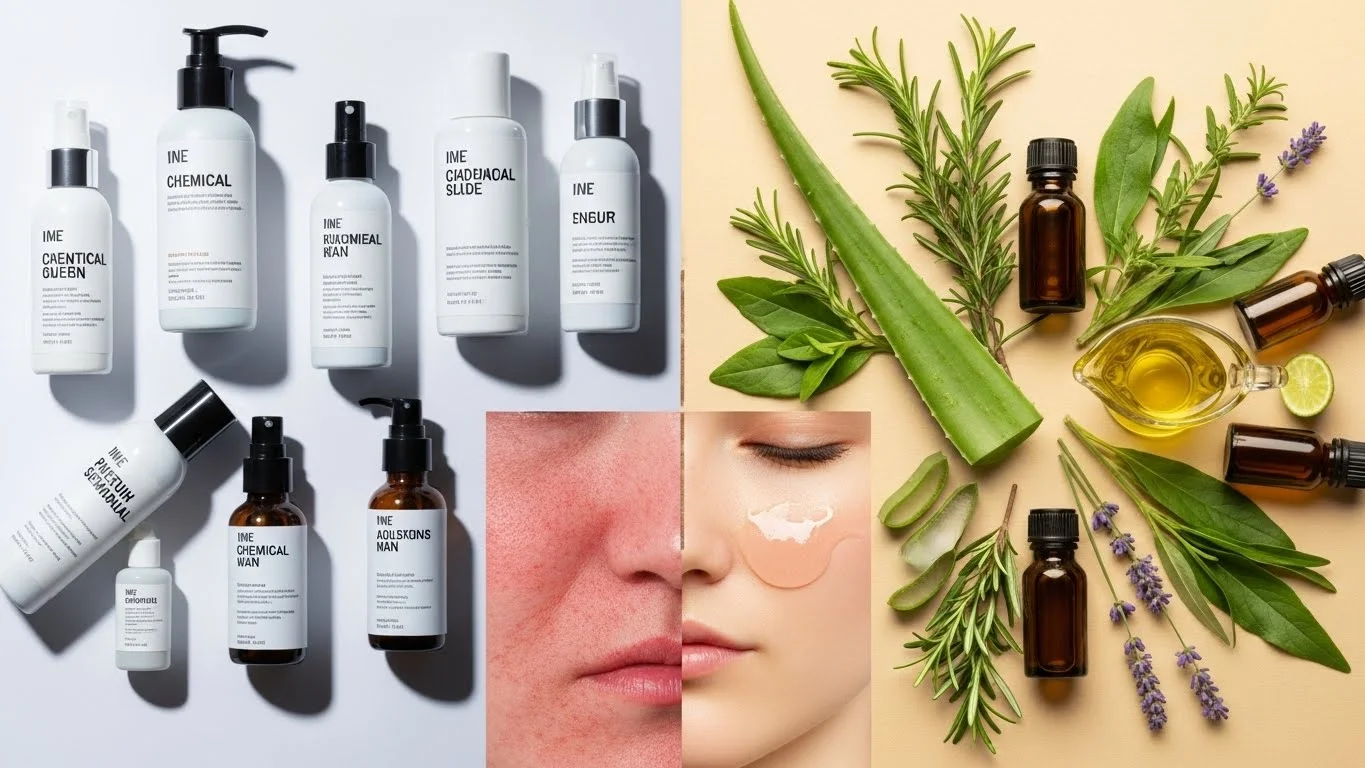
This comprehensive guide will help you understand what natural skin repair truly means, how your skin heals itself, and which habits, foods, and remedies can support lasting, healthy results.
Understanding the Skin’s Natural Healing Ability
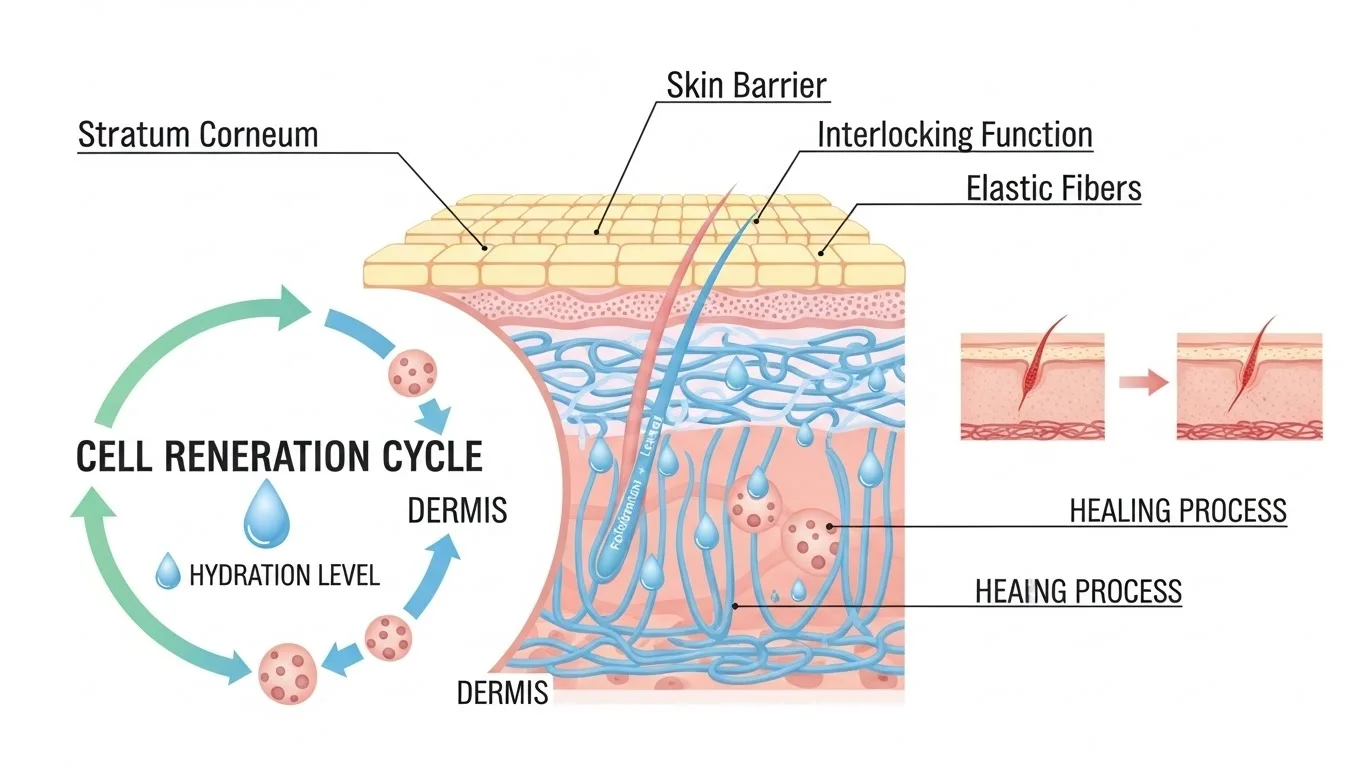
The skin is designed to protect the body and regenerate itself constantly. Every 28–40 days, new skin cells replace old ones. When skin is injured—whether through cuts, acne, burns, or irritation—it initiates a repair process involving inflammation, collagen production, and cell regeneration.
However, this process can slow down due to aging, nutrient deficiencies, dehydration, and chronic exposure to harmful substances. Supporting this process naturally means giving your skin the right environment and resources to heal efficiently.
Natural Skin Repair works by:
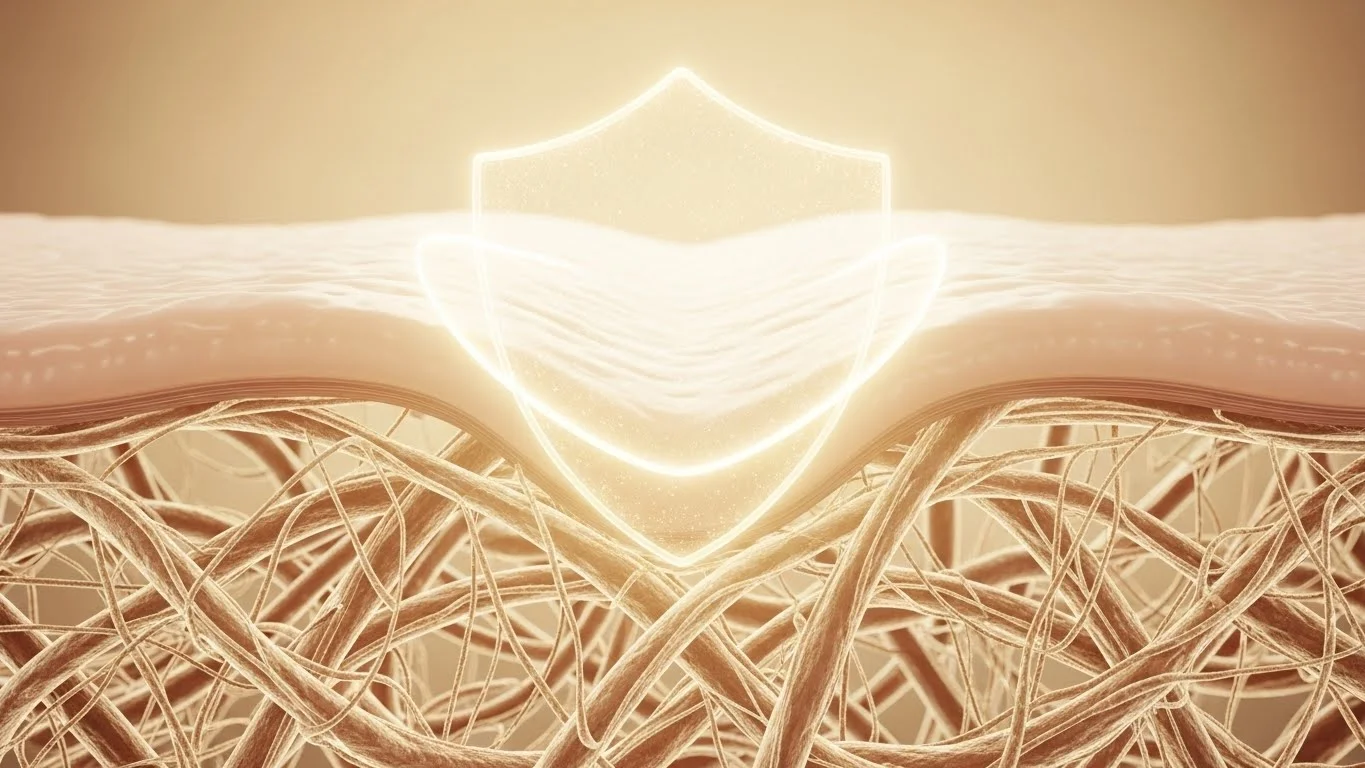
- Strengthening the skin barrier
- Supporting collagen and elastin production
- Reducing inflammation naturally
- Encouraging healthy cell turnover
Rather than forcing changes, it allows your skin to recover at its own pace—safely and sustainably.
Common Causes of Skin Damage
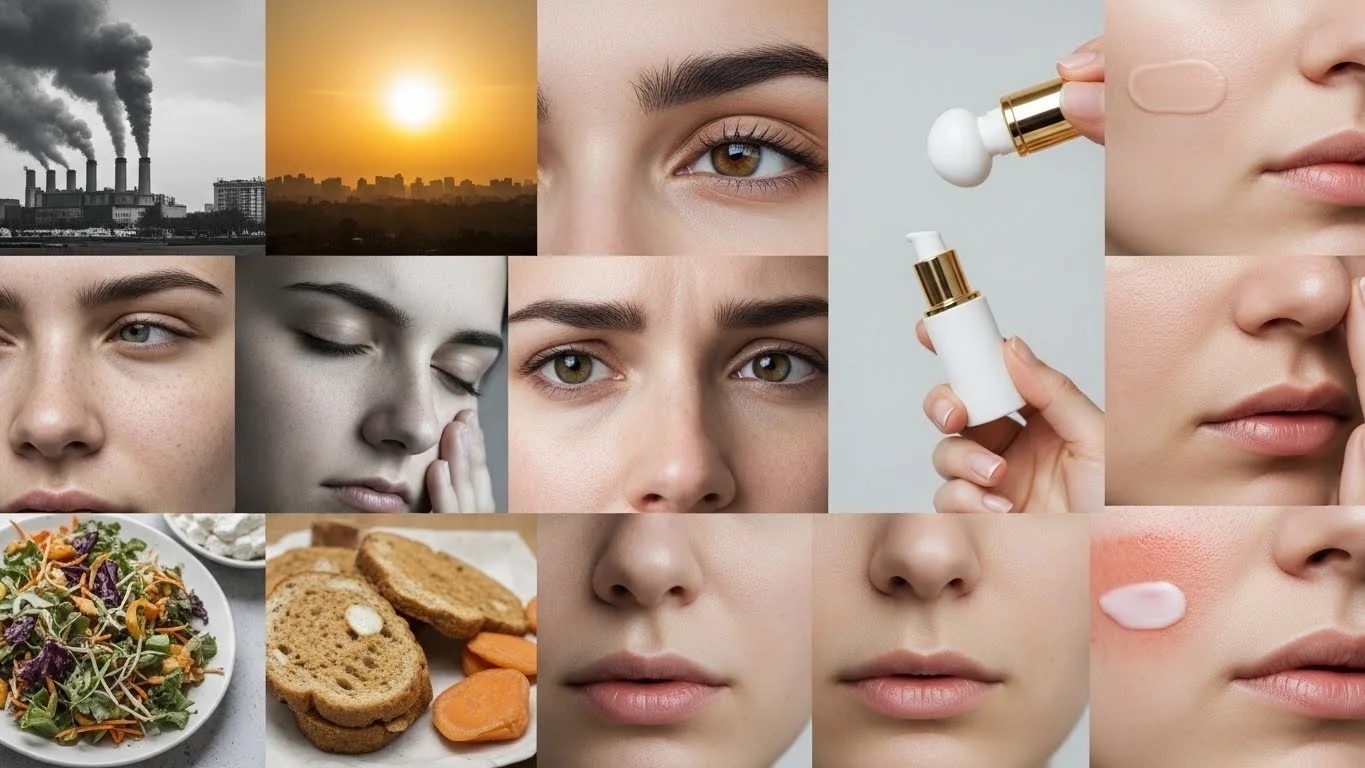
Before repairing skin, it’s important to understand what damages it in the first place. Identifying these factors helps prevent future harm and ensures your repair efforts are effective.
1. Environmental Stressors
Pollution, UV rays, smoke, and toxins generate free radicals that damage skin cells, leading to dullness, pigmentation, and premature aging.
2. Harsh Skincare Products
Overuse of exfoliants, alcohol-based toners, and strong chemical treatments can weaken the skin barrier and cause irritation or breakouts.
3. Poor Diet and Dehydration
Skin reflects what you consume. A diet high in sugar, processed foods, and low water intake can slow healing and increase inflammation.
4. Stress and Sleep Deprivation
Chronic stress raises cortisol levels, which break down collagen and delay skin repair. Lack of sleep reduces cellular regeneration.
5. Hormonal Imbalances
Hormones influence oil production, pigmentation, and acne, especially in women during puberty, pregnancy, and menopause.
Why Choose Natural Skin Repair Over Chemical Treatments?
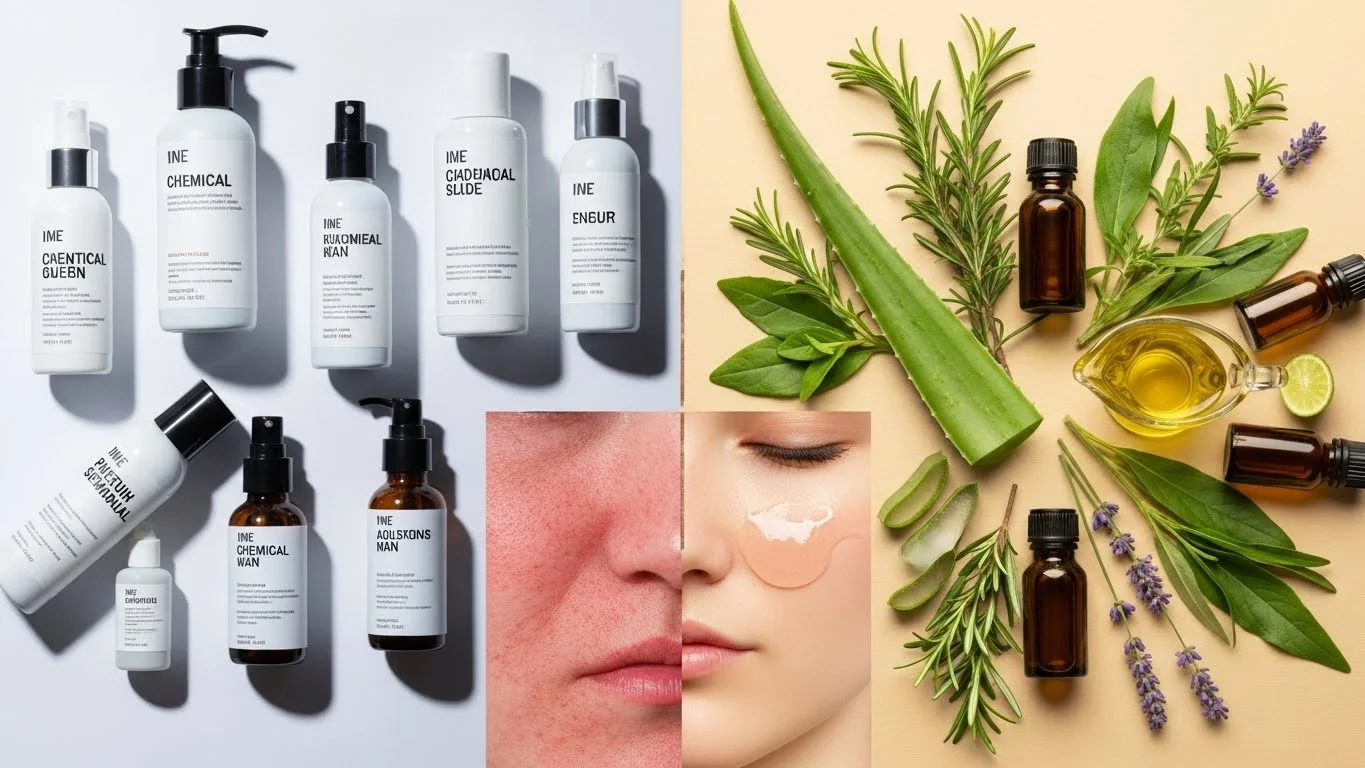
Modern dermatology offers advanced treatments, but they are not always suitable for everyone. Natural repair focuses on long-term health rather than instant transformation.
Benefits of a Natural Approach
- Minimal side effects
- Suitable for sensitive skin
- Improves overall skin health
- Affordable and accessible
- Encourages sustainable beauty habits
While chemical treatments may deliver faster visible changes, they often require maintenance and may thin or sensitize the skin over time. Natural repair builds resilience and balance.
Essential Principles of Natural Skin Repair
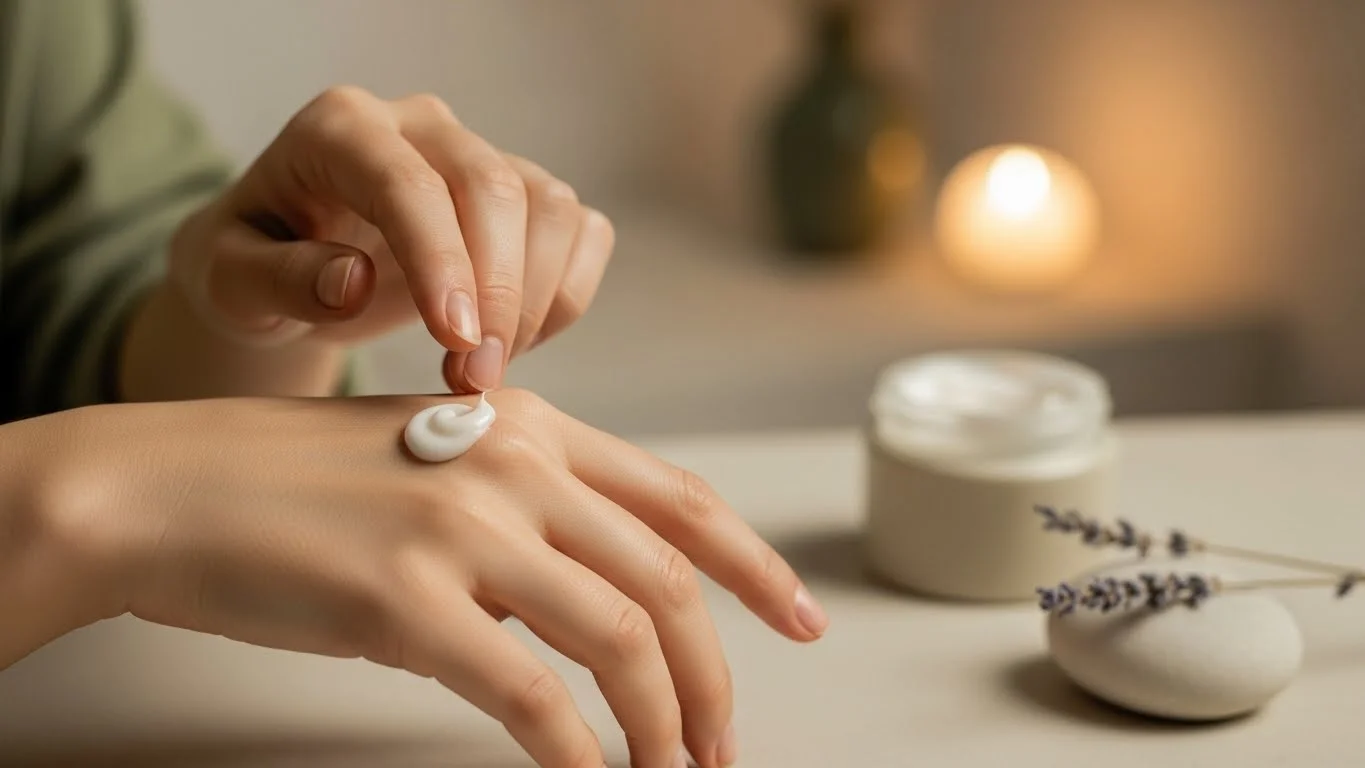
1. Protect the Skin Barrier
The skin barrier locks in moisture and keeps irritants out. Once damaged, skin becomes sensitive, dry, and inflamed. Gentle cleansing and moisturizing are crucial.
2. Reduce Inflammation Naturally
Inflammation slows healing and accelerates aging. Natural anti-inflammatory ingredients and lifestyle habits play a key role.
3. Nourish From Within
Healthy skin starts internally. Vitamins, minerals, healthy fats, and antioxidants are essential for repair.
4. Consistency Over Speed
Natural repair takes time. Results may be slower, but they are deeper and longer-lasting.
Natural Ingredients That Support Skin Repair
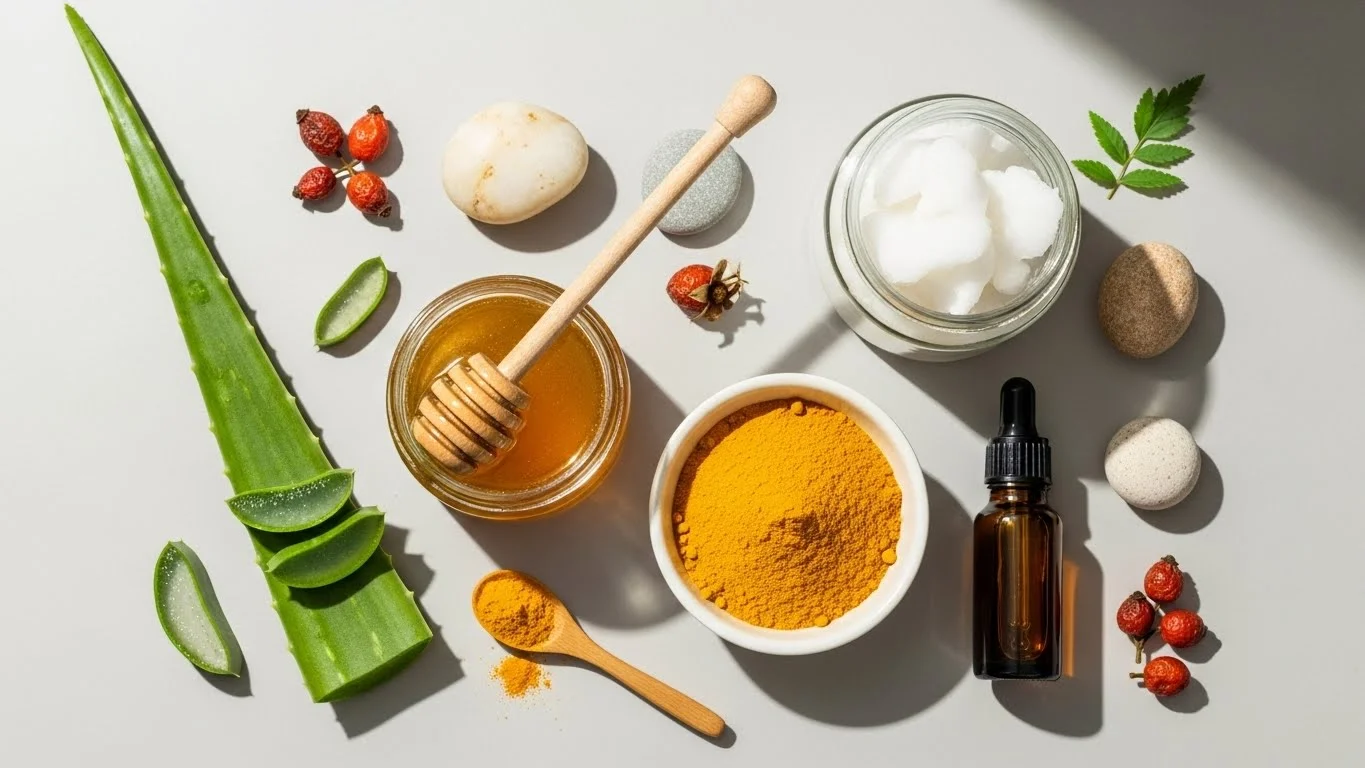
Nature offers powerful healing agents that have been used for centuries. When used correctly, they support regeneration without damaging the skin.
Aloe Vera
Aloe vera soothes irritation, hydrates deeply, and promotes wound healing. It’s especially helpful for sunburns, acne scars, and redness.
Honey
Raw honey is antibacterial and humectant, meaning it attracts moisture to the skin. It supports healing and improves texture.
Turmeric
Turmeric reduces inflammation and helps fade pigmentation. It has been widely used in traditional skincare rituals.
Coconut Oil
Rich in fatty acids, coconut oil strengthens the skin barrier and prevents moisture loss, making it ideal for dry or damaged skin.
Rosehip Oil
Packed with vitamin A and C, rosehip oil supports collagen production and helps repair scars and fine lines.
Diet and Nutrition for Skin Repair
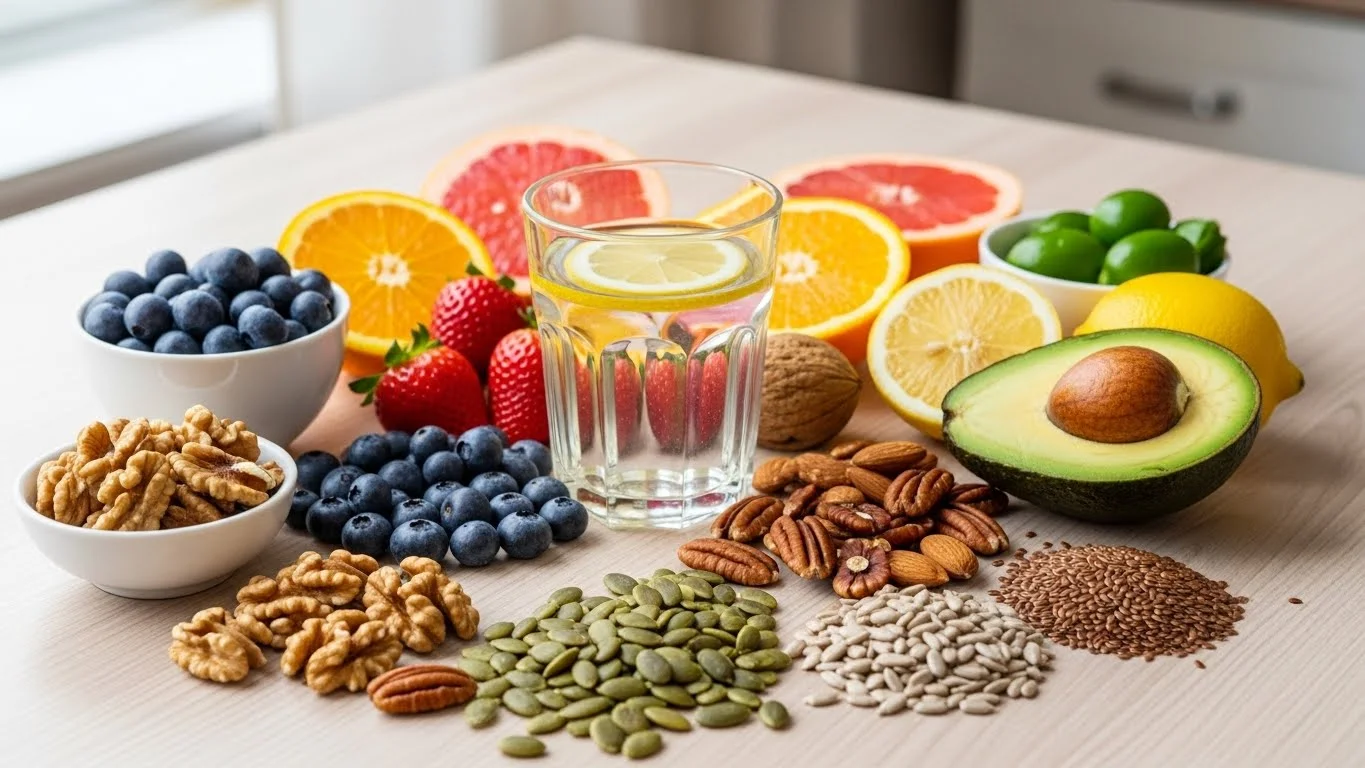
Skincare products alone cannot repair skin if the body lacks proper nutrition. What you eat directly influences how fast and how well your skin heals.
Foods That Promote Skin Healing
- Vitamin C-rich fruits (oranges, berries) for collagen production
- Healthy fats (avocado, nuts, seeds) for barrier repair
- Zinc-rich foods (pumpkin seeds, legumes) for wound healing
- Omega-3 fatty acids (flaxseeds, walnuts) for reducing inflammation
Hydration Is Non-Negotiable
Water supports detoxification and maintains skin elasticity. Dehydrated skin heals slower and appears dull.
Lifestyle Habits That Accelerate Natural Skin Repair

Prioritize Sleep
Skin regenerates most actively at night. Aim for 7–9 hours of quality sleep to support cell renewal.
Manage Stress
Meditation, breathing exercises, and gentle movement help regulate hormones and reduce inflammation.
Gentle Skincare Routine
Avoid over-cleansing and excessive exfoliation. Treat your skin with patience and care.
Sun Protection
Sun damage is one of the biggest obstacles to repair. Use physical sun protection like hats, shade, and mineral sunscreens.
Natural Skin Repair for Common Skin Concerns
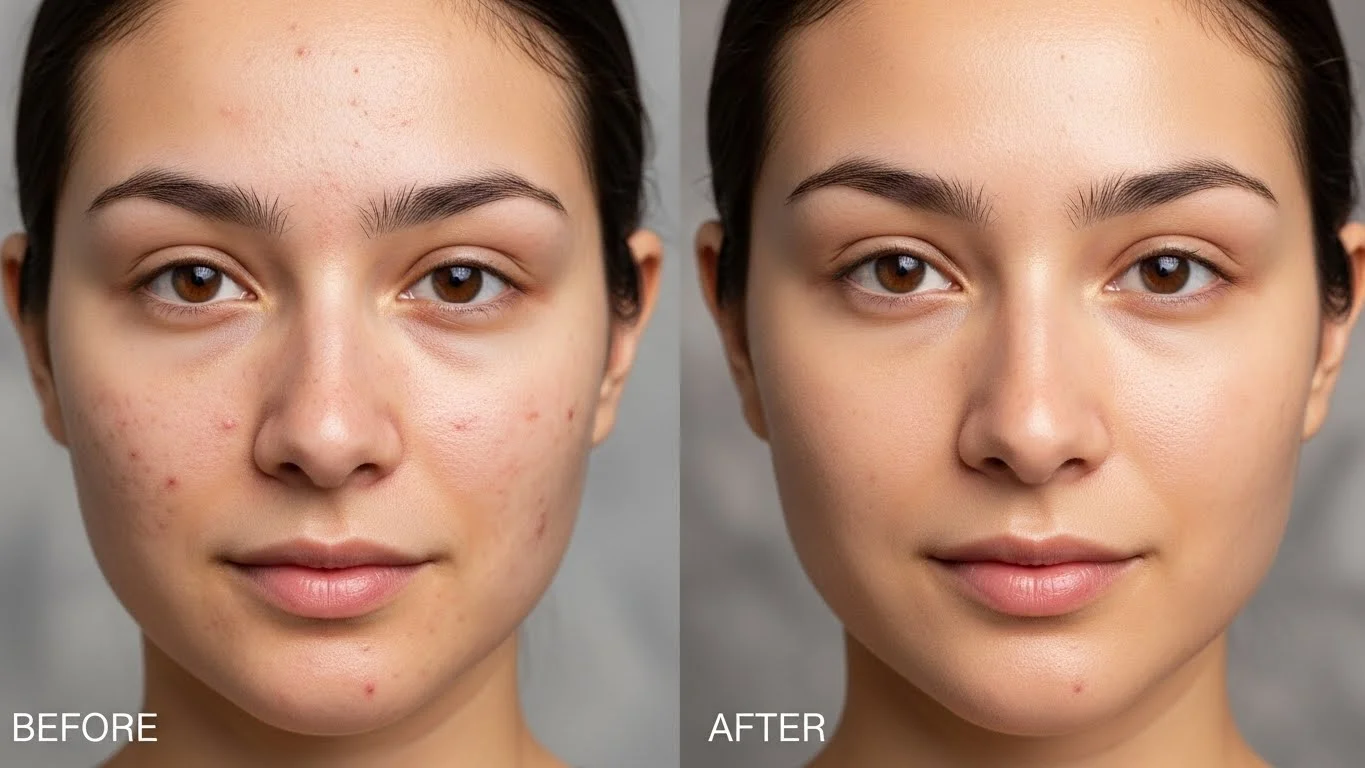
Acne and Breakouts
Natural repair focuses on calming inflammation, balancing oil production, and supporting healing rather than stripping the skin.
Hyperpigmentation and Dark Spots
Consistent hydration, antioxidant-rich ingredients, and sun protection help fade discoloration over time.
Dry and Damaged Skin
Repairing the moisture barrier is key. Natural oils and humectants restore softness and strength.
Fine Lines and Early Aging
Supporting collagen naturally through diet, antioxidants, and facial massage improves skin elasticity.
The Role of Patience in Skin Healing

One of the hardest parts of natural skin repair is waiting. We are conditioned to expect quick results, but skin heals gradually. Rushing the process often leads to setbacks.
Think of skin repair like growing a plant. You don’t pull on the leaves to make it grow faster—you nourish the soil, water it consistently, and give it time. The same principle applies to your skin.
Creating a Simple Natural Skin Repair Routine
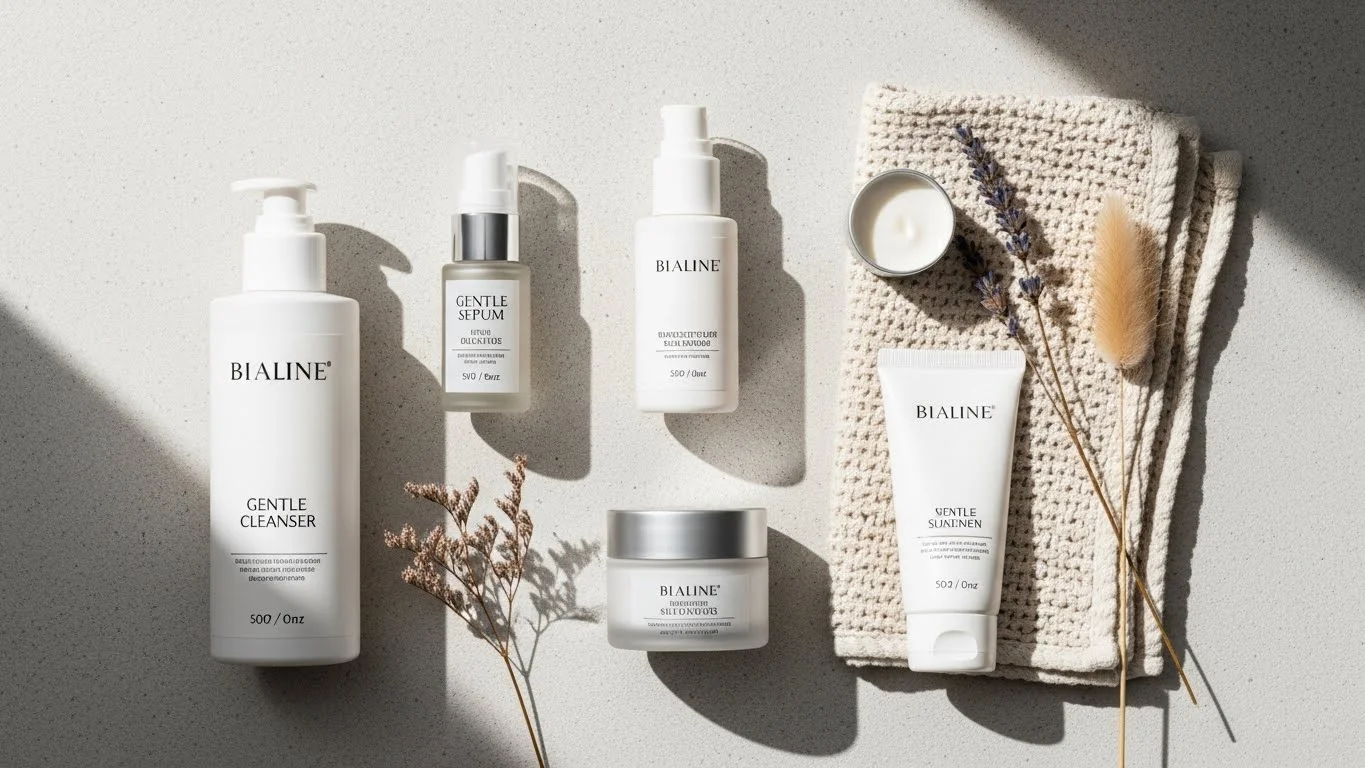
A natural routine doesn’t need to be complicated.
Morning
- Gentle cleanser
- Hydrating moisturizer
- Sun protection
Evening
- Mild cleansing
- Nourishing oil or natural serum
- Adequate sleep
Weekly treatments like natural masks or facial massage can further support repair without overwhelming the skin.
Myths About Natural Skin Repair
“Natural means slow and ineffective”
Natural repair works with your biology. While slower, it delivers sustainable results.
“Oily skin doesn’t need repair”
All skin types need barrier support and nourishment, including oily and acne-prone skin.
“More products equal better results”
Overloading the skin often disrupts repair. Simplicity is powerful.
Long-Term Benefits of Natural Skin Repair
When you commit to natural healing, the benefits extend beyond appearance.
- Stronger, more resilient skin
- Reduced sensitivity and irritation
- Improved texture and tone
- Healthier aging process
- Greater confidence without heavy makeup
Natural Skin Repair is not just about fixing damage—it’s about preventing future issues and respecting your skin’s intelligence.
Final Thoughts: Embracing Your Skin’s Natural Wisdom
Your skin doesn’t need to be forced into perfection. It needs support, nourishment, and time. In choosing natural repair, you are choosing balance over aggression and health over quick fixes.
Beauty isn’t about flawless skin—it’s about skin that is strong, comfortable, and alive. When you shift your focus from hiding imperfections to healing them, your skin responds with resilience and glowNatural skin repair is the process of healing and restoring the skin using gentle, chemical-free methods that support the skin’s natural regeneration and barrier function.
.
By embracing Natural Skin Repair, you allow your skin to do what it was designed to do all along—heal itself, naturally.


