
Even Skin Tone: A Complete Guide to Balanced, Healthy & Radiant Skin
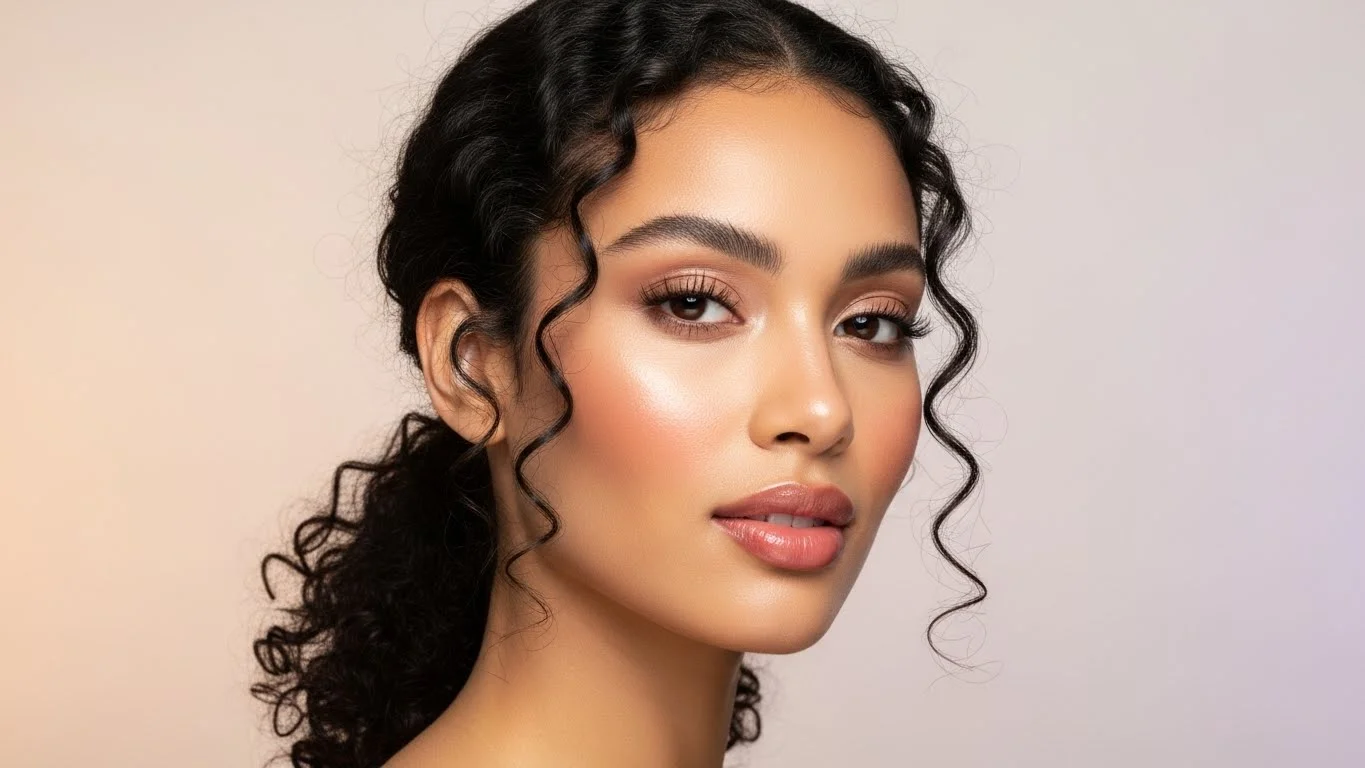
In the age of high-definition cameras, social media filters, and beauty influencers, flawless skin has become the ultimate beauty goal. Among all skincare concerns—acne, wrinkles, dryness, and sensitivity—uneven skin tone remains one of the most common and frustrating issues faced by people of all ages and skin types.
Dark patches, redness, pigmentation, tanning, and dullness often make the skin look tired and unhealthy. Many people believe that achieving an Even Skin Tone requires expensive treatments, chemical peels, or clinic-based procedures. The truth, however, is far more encouraging.
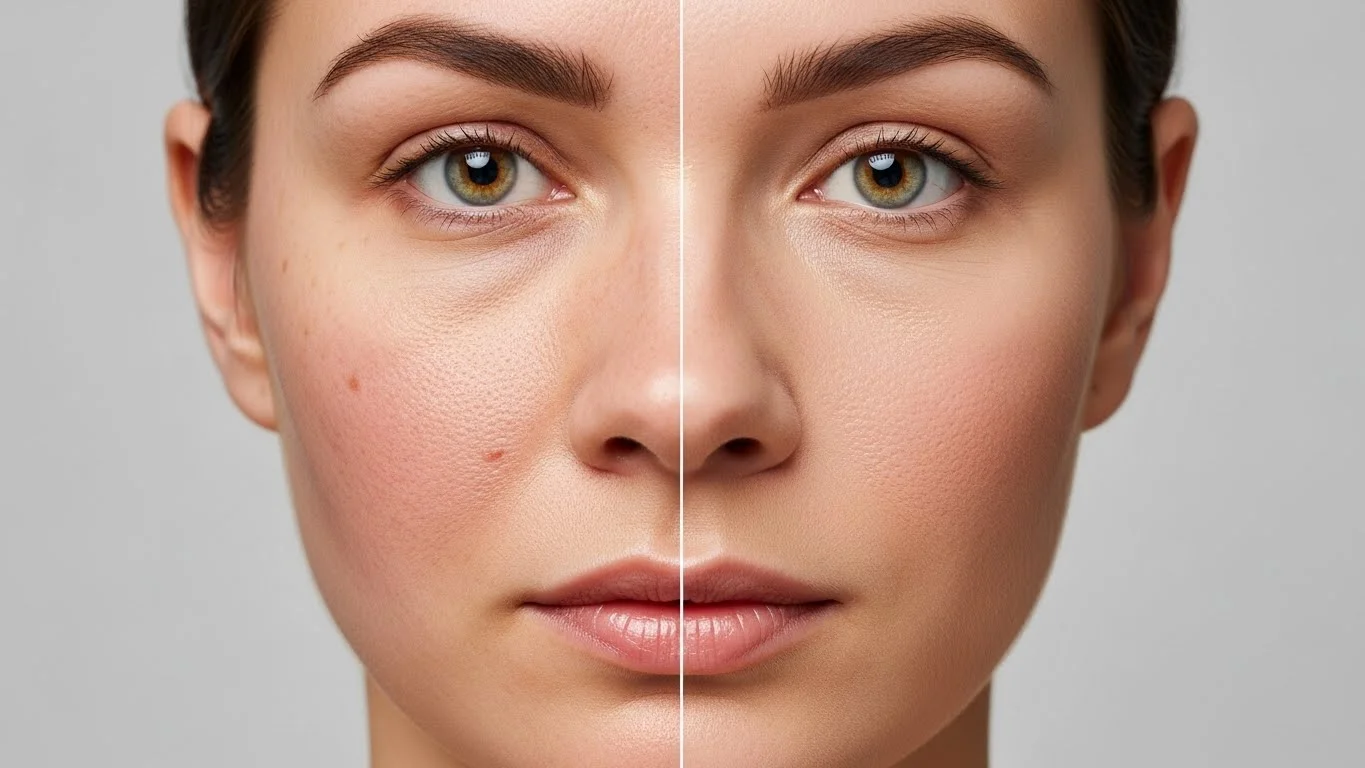
An even complexion is not about changing your natural skin color—it’s about restoring balance, health, and clarity to your skin. With the right understanding, consistent care, and lifestyle adjustments, anyone can work toward naturally smooth, glowing, and evenly toned skin.
This detailed guide will help you understand what causes uneven skin tone, how to prevent it, and the most effective natural and skincare-based methods to improve it safely and sustainably.
What Does an Even Skin Tone Really Mean?

Before diving into solutions, it’s important to clarify what we mean by an even complexion.
An Even Skin Tone means:
- Uniform color across the face and body
- Minimal dark spots, redness, or patchiness
- Healthy skin barrier and balanced pigmentation
- Natural glow without heavy makeup
It does not mean fairer skin or changing your genetic skin color. Every skin tone—light, medium, or deep—can be even, healthy, and radiant.
Uneven tone happens when melanin (the pigment responsible for skin color) is produced irregularly or when skin is damaged due to environmental or internal factors.
Common Causes of Uneven Skin Tone
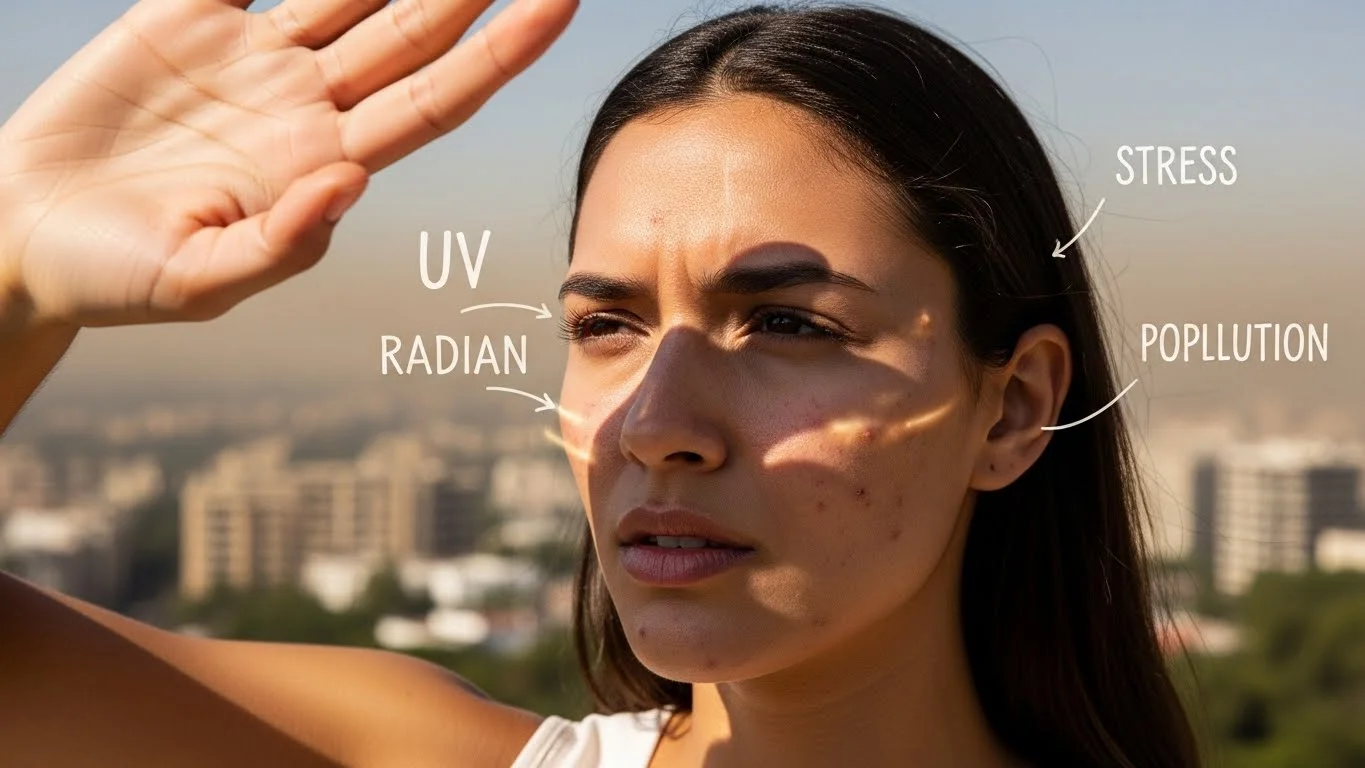
Understanding the root causes is the first step toward correcting them.
1. Sun Exposure
Excessive sun exposure is the number one cause of pigmentation, tanning, and dark spots. UV rays stimulate melanin production, leading to uneven patches.
2. Hormonal Changes
Hormonal imbalance due to pregnancy, PCOS, menopause, or birth control pills can trigger melasma and discoloration.
3. Post-Acne Marks
Acne often leaves behind dark spots or red marks known as post-inflammatory hyperpigmentation.
4. Pollution and Environmental Stress
Pollutants damage the skin barrier and cause oxidative stress, leading to dull and uneven-looking skin.
5. Improper Skincare
Using harsh products, skipping sunscreen, or over-exfoliating can worsen skin tone irregularities.
6. Lifestyle Factors
Poor diet, dehydration, lack of sleep, and stress play a major role in skin health.
The Science Behind Skin Pigmentation
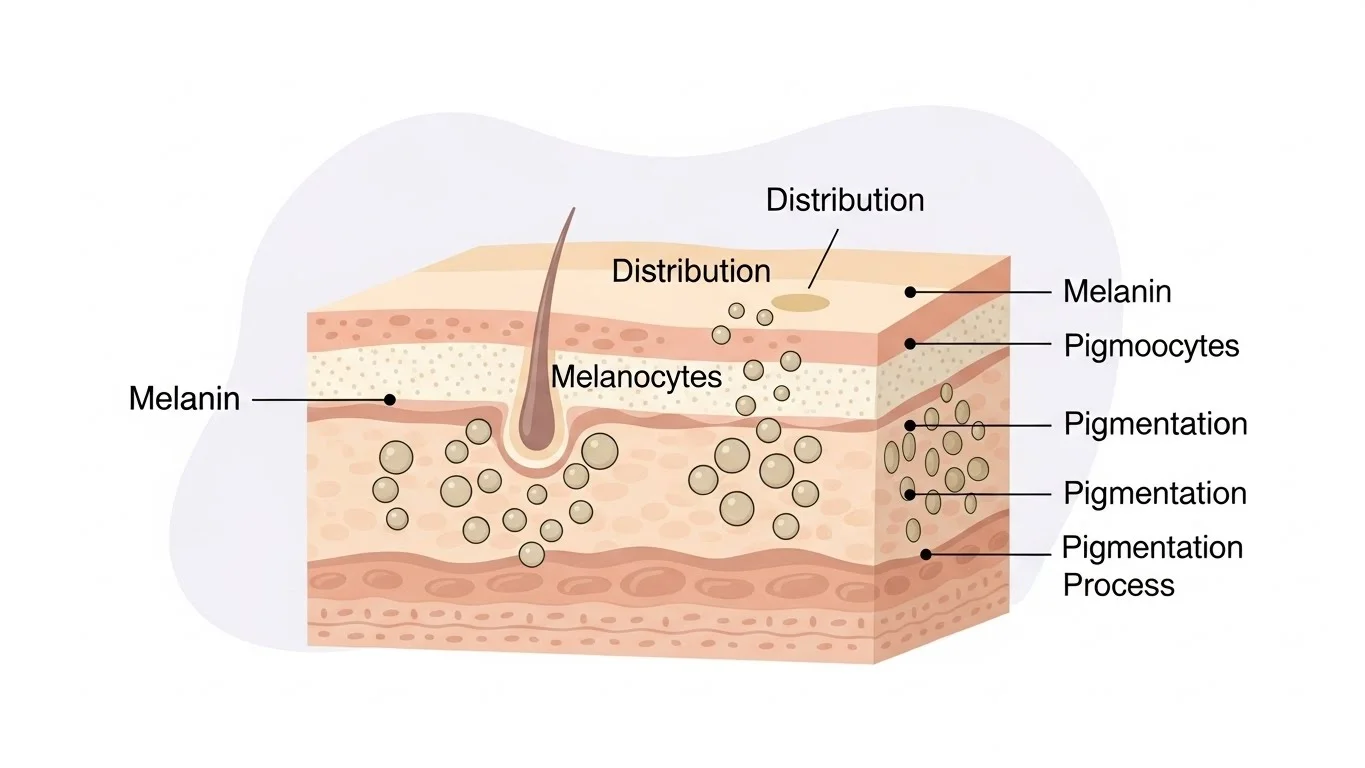
Melanin is produced by cells called melanocytes. When these cells become overactive or unevenly distributed, pigmentation issues appear.
Triggers for excess melanin include:
- UV radiation
- Inflammation
- Hormonal fluctuations
- Skin injuries
The goal of skincare for balanced complexion is not to eliminate melanin but to regulate its production and support healthy skin renewal.
Daily Skincare Routine for an Even Skin Tone
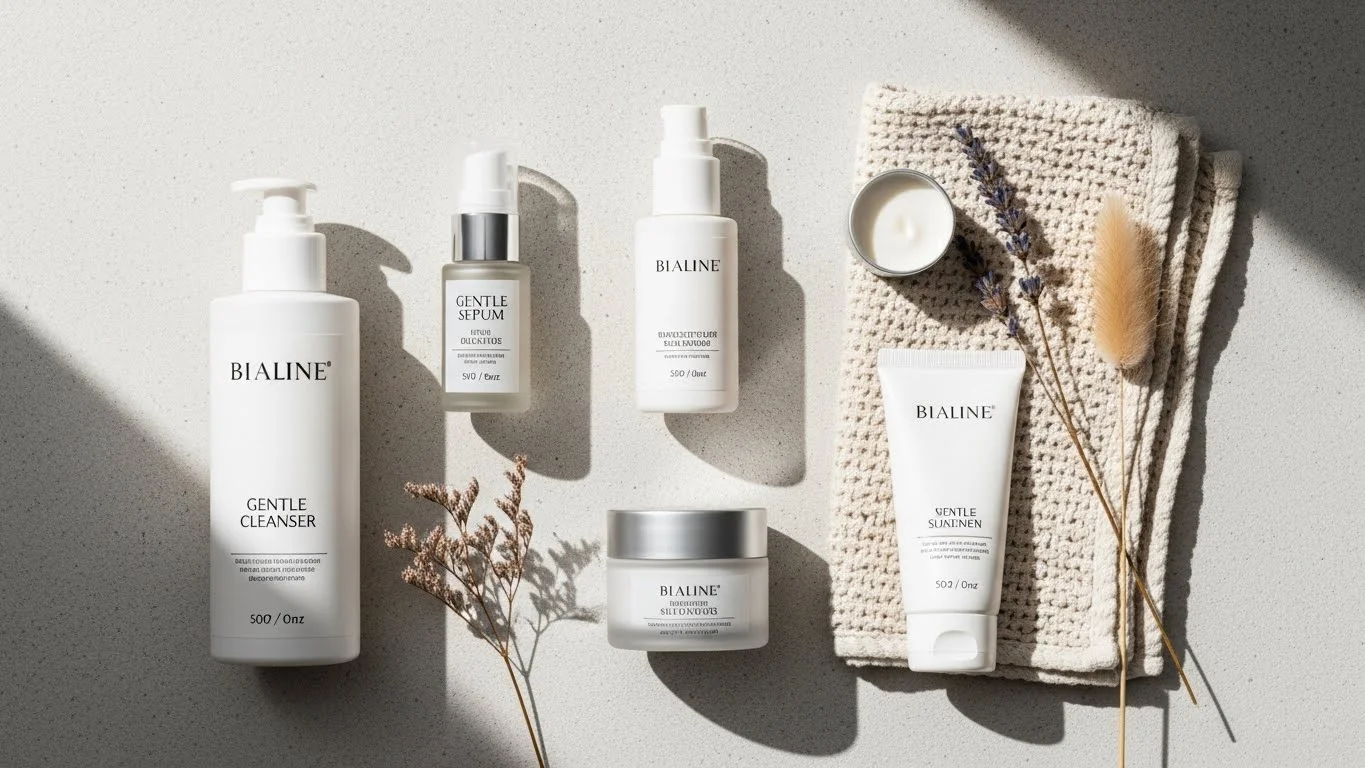
Consistency matters more than expensive products. A simple but effective routine can significantly improve skin tone over time.
1. Gentle Cleansing (Morning & Night)
Use a mild, sulfate-free cleanser to remove dirt and excess oil without stripping the skin.
Tip: Avoid harsh soaps that disrupt the skin’s natural barrier.
2. Exfoliation (2–3 Times a Week)
Exfoliation removes dead skin cells and promotes cell turnover.
- Use mild chemical exfoliants like lactic acid or mandelic acid
- Avoid aggressive scrubs
3. Targeted Serums
Serums penetrate deeper layers of skin and address pigmentation.
Key ingredients to look for:
- Vitamin C
- Niacinamide
- Alpha arbutin
- Licorice extract
4. Moisturization
Well-hydrated skin heals faster and maintains a balanced appearance.
Choose moisturizers with:
- Ceramides
- Hyaluronic acid
- Aloe vera
5. Sunscreen (Non-Negotiable)

Daily sunscreen is essential—even indoors.
Use:
- Broad-spectrum SPF 30 or higher
- Reapply every 2–3 hours when outdoors
Sunscreen alone can prevent up to 80% of pigmentation issues.
Natural Remedies to Support Even Skin Tone

If you prefer gentle, natural care, these remedies can complement your skincare routine.
1. Aloe Vera Gel
Aloe soothes inflammation and helps fade dark spots over time.
How to use:
Apply fresh aloe gel at night and rinse in the morning.
2. Turmeric and Yogurt Mask
Turmeric has anti-inflammatory properties, while yogurt contains lactic acid.
Use once a week for a brighter appearance.
3. Rice Water
Rice water is rich in antioxidants and helps improve clarity.
Use it as a toner 2–3 times a week.
4. Green Tea Compress
Green tea reduces redness and oxidative damage.
Apply cooled green tea using a cotton pad.
Diet and Nutrition for Balanced Skin Tone

Skincare doesn’t stop at the surface. What you eat directly affects your complexion.
Foods That Promote Skin Balance
- Citrus fruits (Vitamin C)
- Leafy greens
- Berries
- Nuts and seeds
- Fatty fish (Omega-3s)
Foods to Limit
- Excess sugar
- Fried foods
- Processed snacks
- Sugary drinks
Hydration is equally important—aim for at least 8 glasses of water daily.
Lifestyle Habits That Improve Skin Tone

Small daily habits can make a big difference.
1. Quality Sleep
Skin repairs itself during sleep. Aim for 7–8 hours nightly.
2. Stress Management
Chronic stress triggers inflammation and hormonal imbalance.
Practice:
- Meditation
- Yoga
- Deep breathing
3. Avoid Touching Your Face
Frequent touching spreads bacteria and worsens marks.
Common Myths About Even Skin Tone
Let’s clear some misconceptions.
Myth 1: Fair Skin Means Even Skin
Truth: Skin tone uniformity has nothing to do with fairness.
Myth 2: Results Are Instant
Truth: Skin renewal takes 28–40 days. Patience is key.
Myth 3: Natural Remedies Work Overnight
Truth: Natural methods are gentle and require consistency.
Professional Treatments: Are They Necessary?

While natural care works for most people, professional treatments may help in severe cases.
Options include:
- Chemical peels
- Laser therapy
- Microdermabrasion
Always consult a dermatologist before opting for treatments.
How Long Does It Take to See Results?
Timeline varies based on skin type and consistency.
- Minor unevenness: 4–6 weeks
- Moderate pigmentation: 8–12 weeks
- Deep marks: 3–6 months
Consistency, sun protection, and patience are essential.
Maintaining Results Long-Term
Achieving an Even Skin Tone is not a one-time effort—it’s a lifestyle commitment.
To maintain results:
- Never skip sunscreen
- Stick to gentle products
- Eat well and hydrate
- Avoid harsh treatments
Balanced skin reflects balanced care.
Final Thoughts: Your Skin, Your Journey
Perfect skin doesn’t exist—but healthy, balanced, and confident skin does. Embracing your natural complexion while caring for it mindfully is the true definition of beauty.
An Even Skin Tone is not about hiding imperfections; it’s about nurturing your skin so it functions at its best. With the right routine, healthy habits, and realistic expectations, glowing and balanced skin is absolutely achievable.
Remember—your skin tells your story. Treat it with patience, kindness, and consistency, and it will reward you with a natural glow that no filter can replace.


