
Dark Spots Gone Fast, Simple Home Remedies That Actually Work

Dark spots on the skin can feel frustrating, stubborn, and emotionally draining. Whether they appear after acne, sun exposure, hormonal changes, or aging, these marks often linger far longer than we expect. Many people spend years experimenting with expensive creams, chemical peels, and harsh treatments—yet the results remain disappointing.
But what if achieving clear, radiant, and even-toned skin didn’t require aggressive products or clinic visits? What if dark spots gone wasn’t just a dream, but a realistic outcome you could achieve naturally at home?
This comprehensive guide is designed to help you understand why dark spots form, how to treat them safely, and how to prevent them from coming back—using proven natural methods and simple lifestyle changes.
Understanding Dark Spots: What Are They and Why Do They Appear?
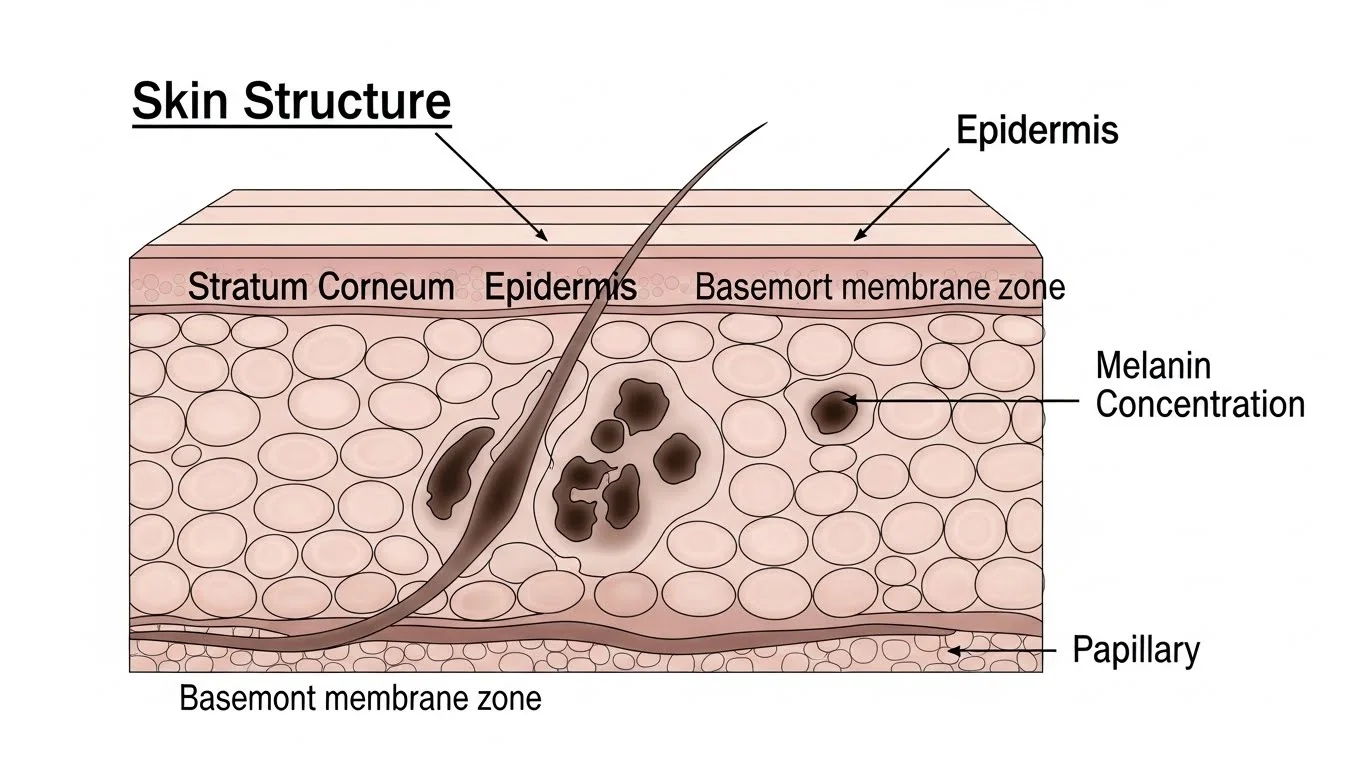
Dark spots, also known as hyperpigmentation, occur when certain areas of the skin produce excess melanin. Melanin is the pigment responsible for skin color, and when its production becomes uneven, it leads to patches or spots that appear darker than the surrounding skin.
Common Causes of Dark Spots
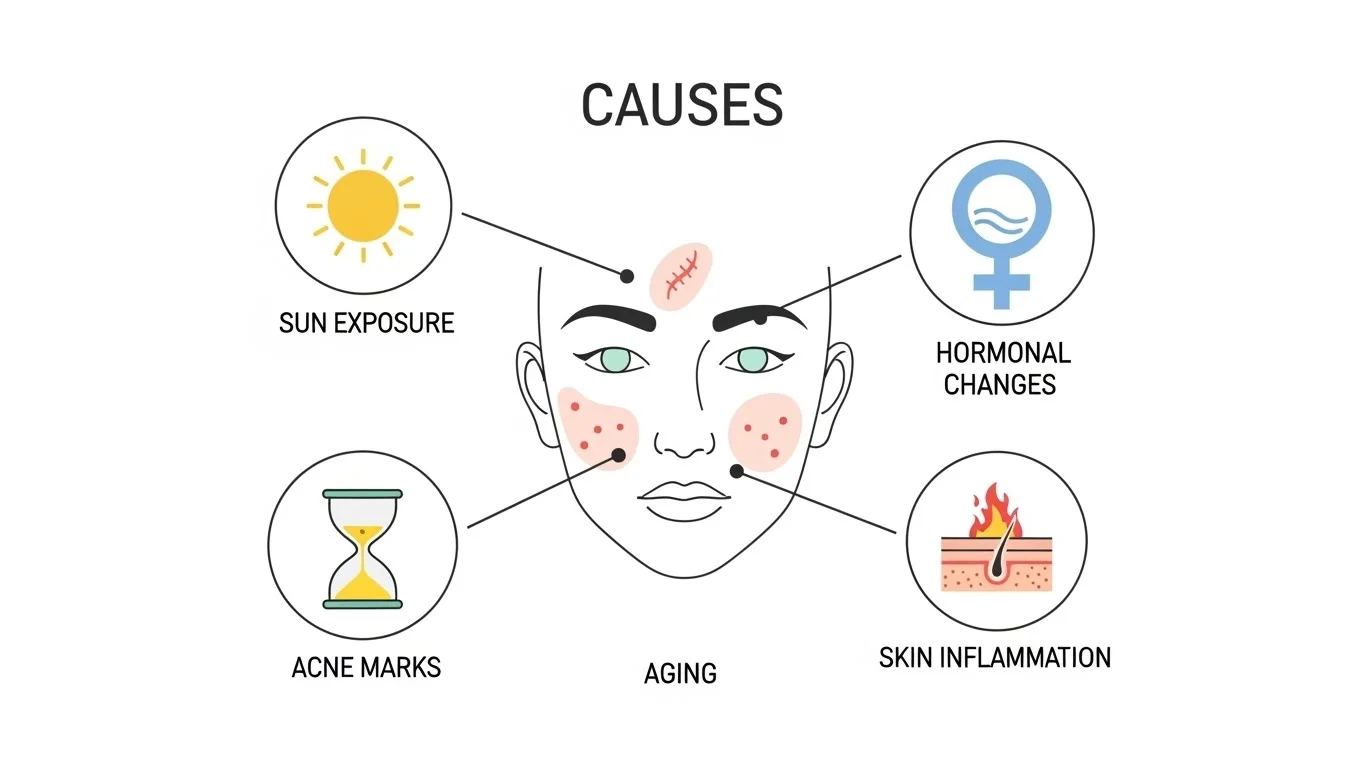
- Sun exposure (UV damage is the leading cause)
- Post-acne marks
- Hormonal changes (melasma, pregnancy, PCOS)
- Skin inflammation or injury
- Aging
- Improper skincare habits
Understanding the root cause is the first step toward effective treatment. Without addressing the cause, even the best remedies may only offer temporary improvement.
Types of Dark Spots You Should Know
Not all dark spots are the same, and identifying the type helps you choose the right approach.
1. Sun Spots
These appear on areas frequently exposed to sunlight like the face, hands, and neck.
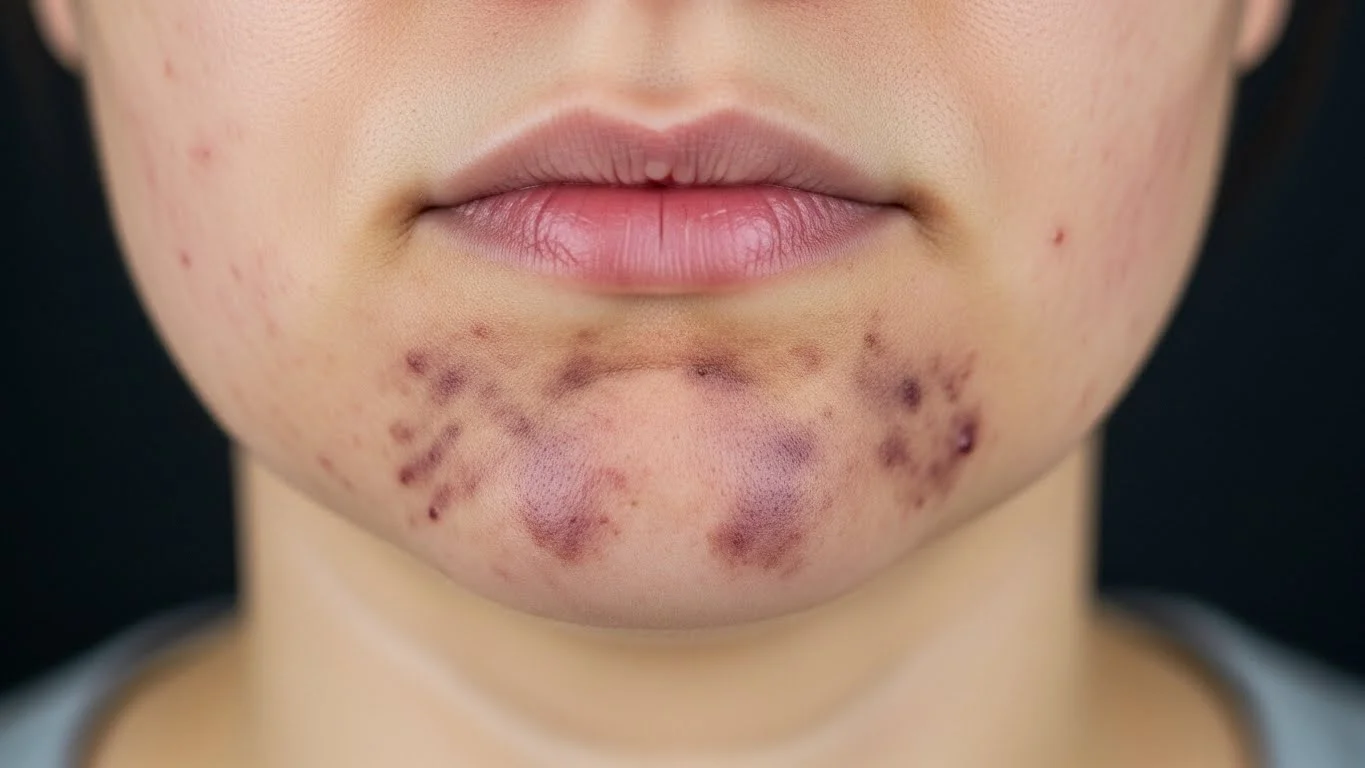
2. Post-Inflammatory Hyperpigmentation (PIH)
Dark marks left behind after acne, burns, or skin irritation.
3. Melasma
Hormonal pigmentation often appearing symmetrically on cheeks, forehead, and upper lip.
4. Age Spots
Usually appear after the age of 40 due to cumulative sun damage.
Each type requires patience and consistency—but the good news is that all can fade naturally with the right care.
Can Dark Spots Really Go Away Naturally?
Yes—but not overnight.
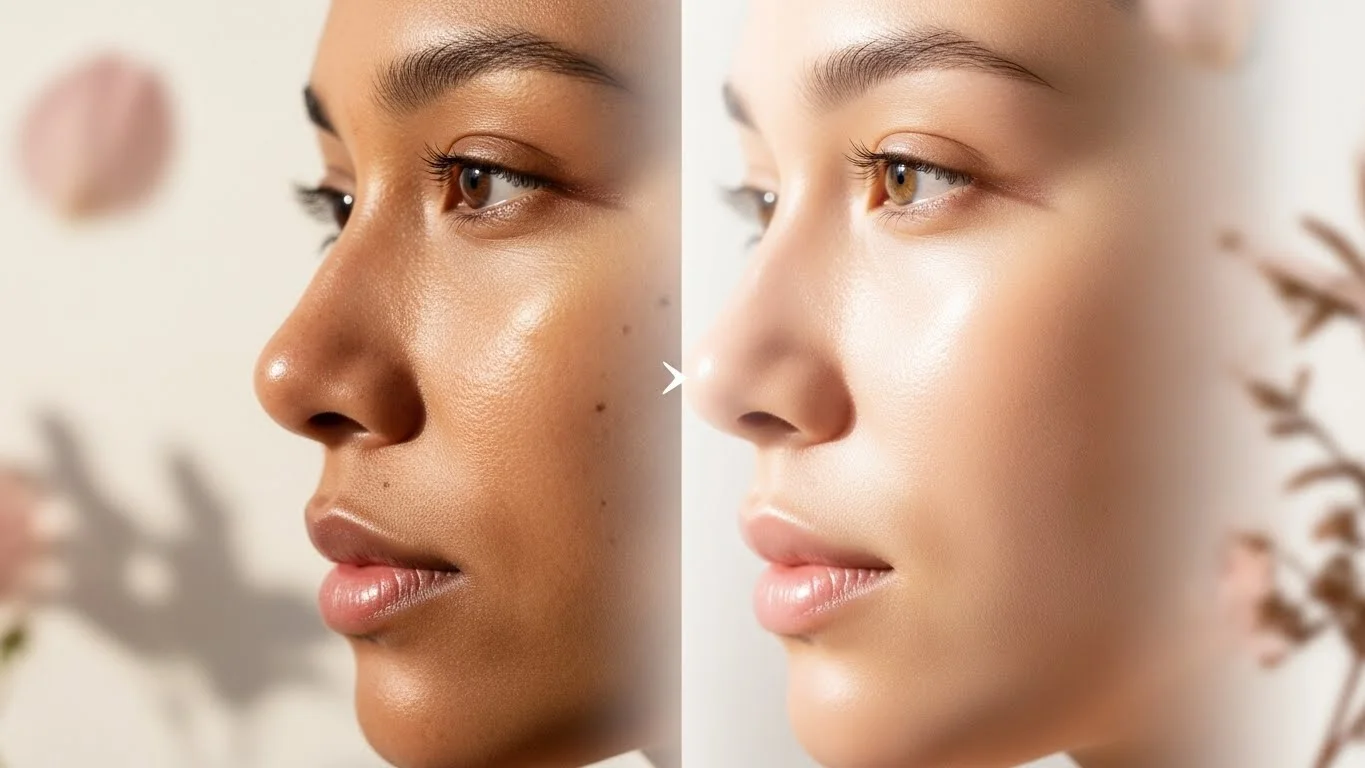
The biggest mistake people make is expecting instant results. Skin renewal is a slow biological process. Natural methods work by:
- Reducing excess melanin
- Encouraging cell turnover
- Repairing skin damage
- Protecting skin from future pigmentation
With consistent care, dark spots gone becomes a realistic outcome—not a marketing promise.
Dark Spots Gone: Natural Remedies That Actually Work
Let’s explore gentle, effective, and science-backed natural solutions you can safely try at home.
1. Aloe Vera Gel
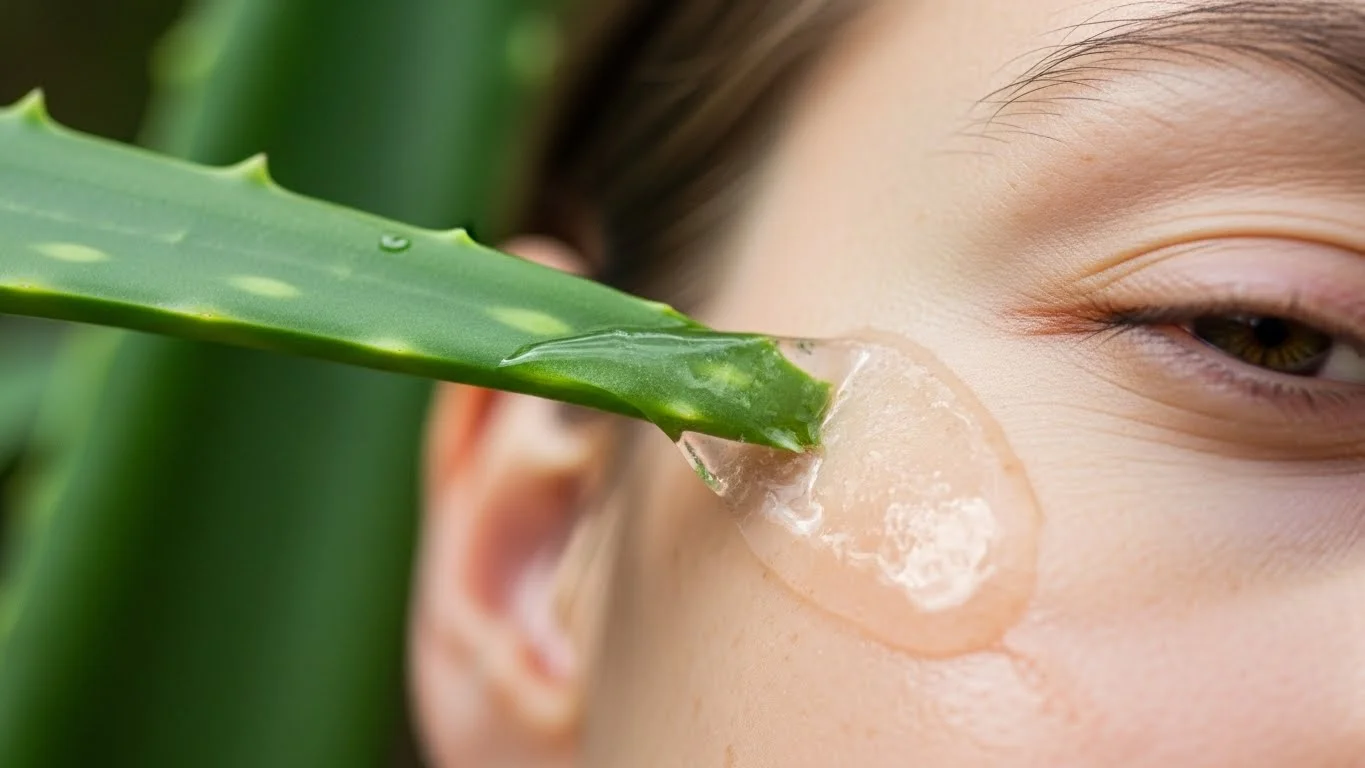
Aloe vera contains aloin, a compound known to reduce hyperpigmentation.
How to use:
- Apply fresh aloe gel directly to dark spots
- Leave overnight
- Use daily
2. Turmeric and Yogurt Mask
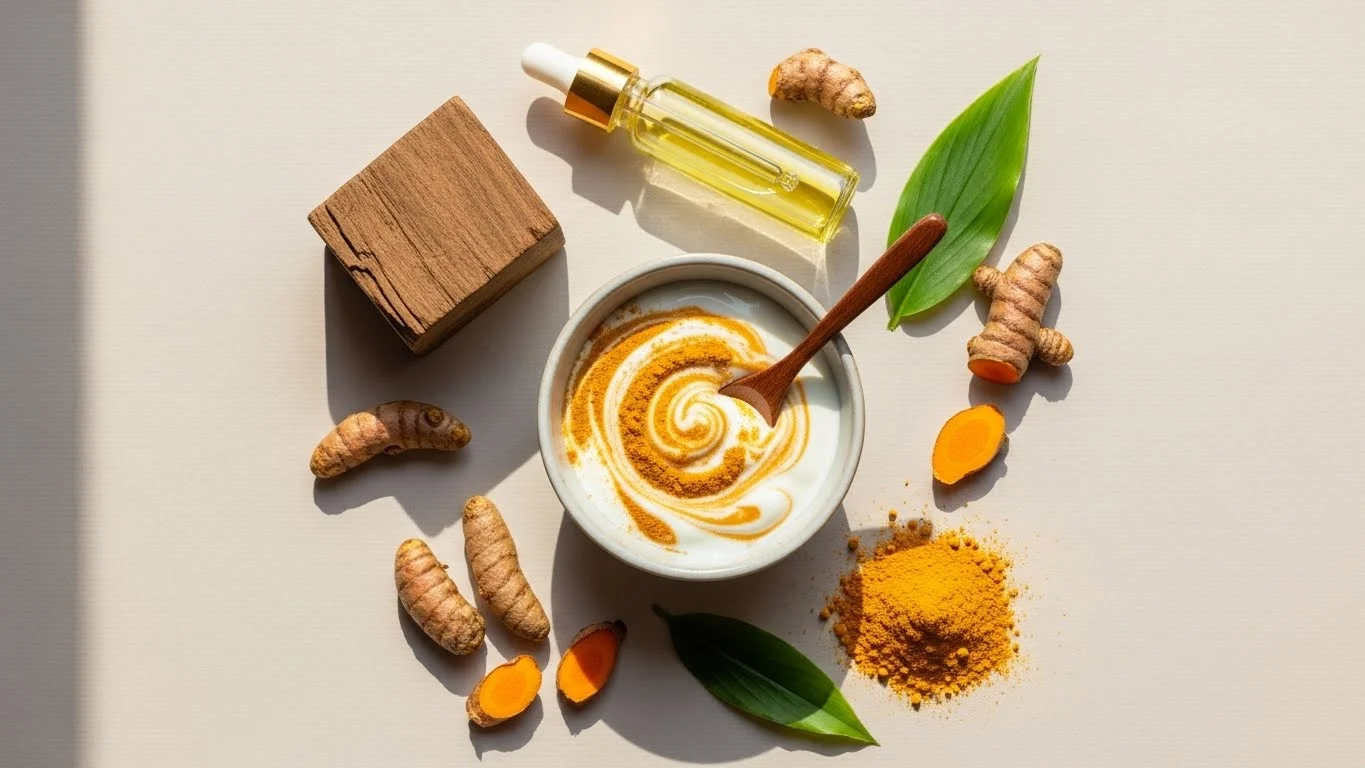
Turmeric reduces melanin production, while yogurt gently exfoliates.
Recipe:
- 1 tsp turmeric
- 2 tbsp plain yogurt
Apply for 15 minutes, twice a week.
3. Licorice Root Extract
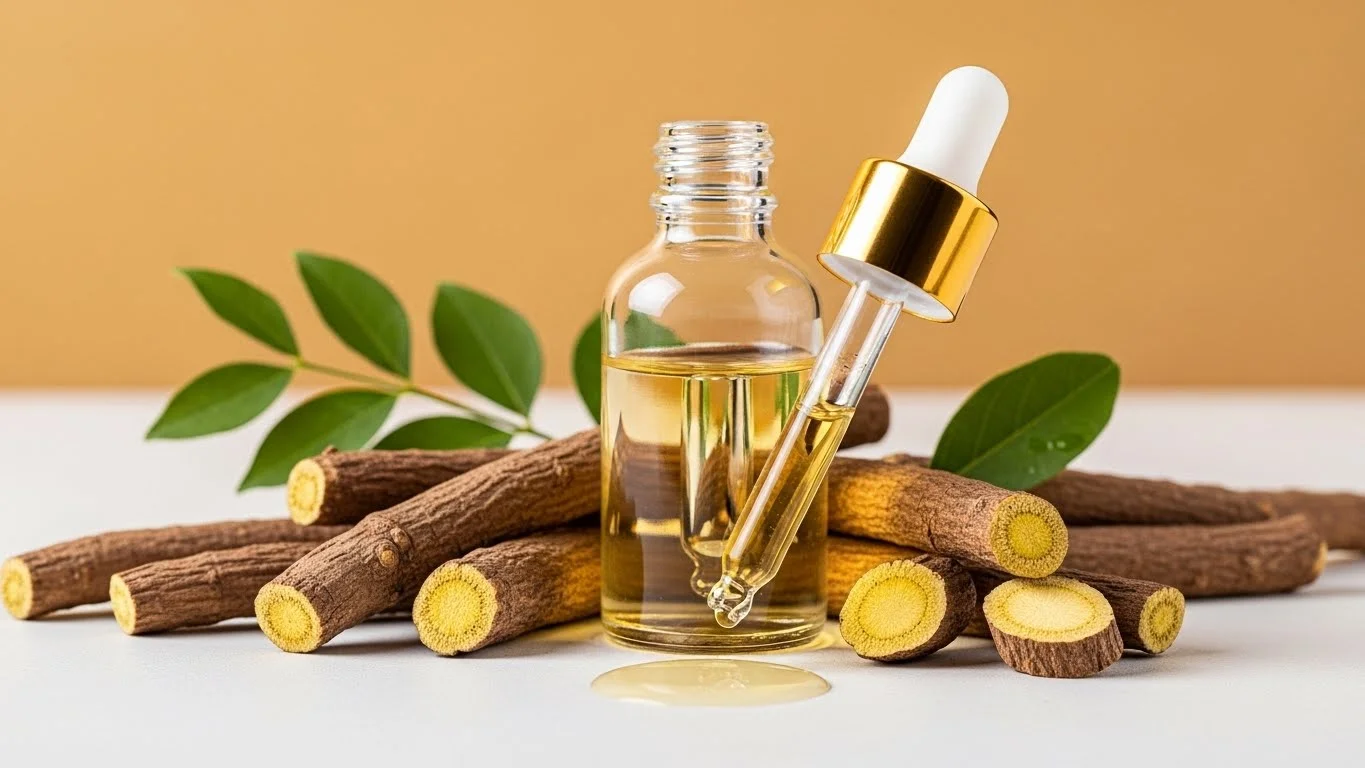
A powerful natural brightener that inhibits tyrosinase (melanin-producing enzyme).
Look for licorice in natural serums or DIY infusions.
4. Vitamin C (Natural Sources)

Vitamin C brightens skin and fades pigmentation.
Natural sources:
- Lemon (diluted)
- Orange peel powder
- Amla (Indian gooseberry)
⚠️ Always patch test citrus-based remedies.
Skincare Routine for Fading Dark Spots Safely
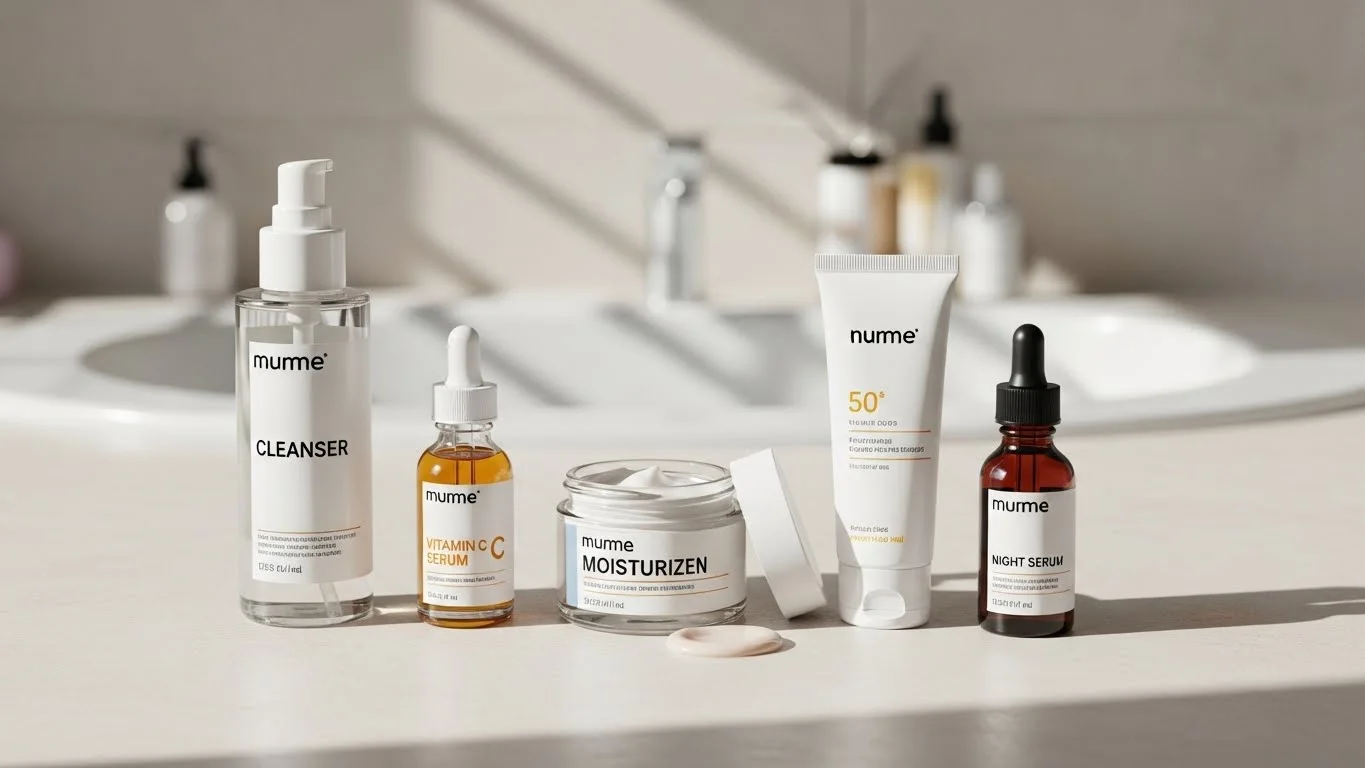
A consistent routine matters more than expensive products.
Morning Routine
- Gentle cleanser
- Vitamin C serum
- Moisturizer
- Sunscreen (non-negotiable)
Night Routine
- Cleanser
- Mild exfoliant (2–3 times weekly)
- Aloe or niacinamide serum
- Moisturizer
Without sun protection, no treatment can succeed.
Why Sunscreen Is the Secret Weapon
If you want dark spots gone, sunscreen is essential—even indoors.
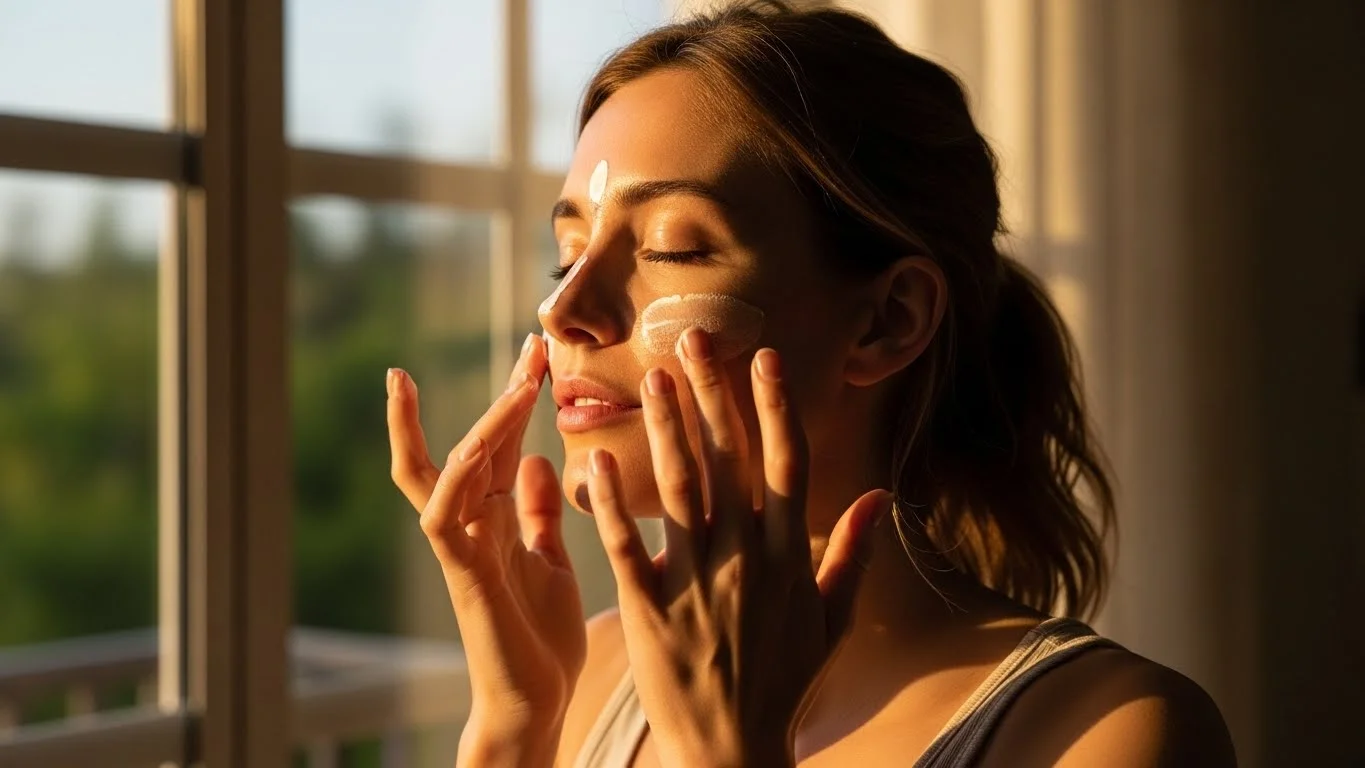
UV rays:
- Trigger melanin production
- Darken existing spots
- Reverse healing progress
Choose a broad-spectrum SPF 30 or higher, and reapply every 2–3 hours when outdoors.
Foods That Help Fade Dark Spots from Within

Skin reflects internal health. What you eat directly affects pigmentation.
Eat More Of:
- Vitamin C-rich fruits
- Leafy greens
- Omega-3 fatty acids
- Zinc-rich foods
- Antioxidants (berries, green tea)
Avoid Excess:
- Sugar
- Processed foods
- Excess caffeine
- Fried foods
Hydration is equally important—drink enough water daily.
Lifestyle Habits That Prevent Dark Spots
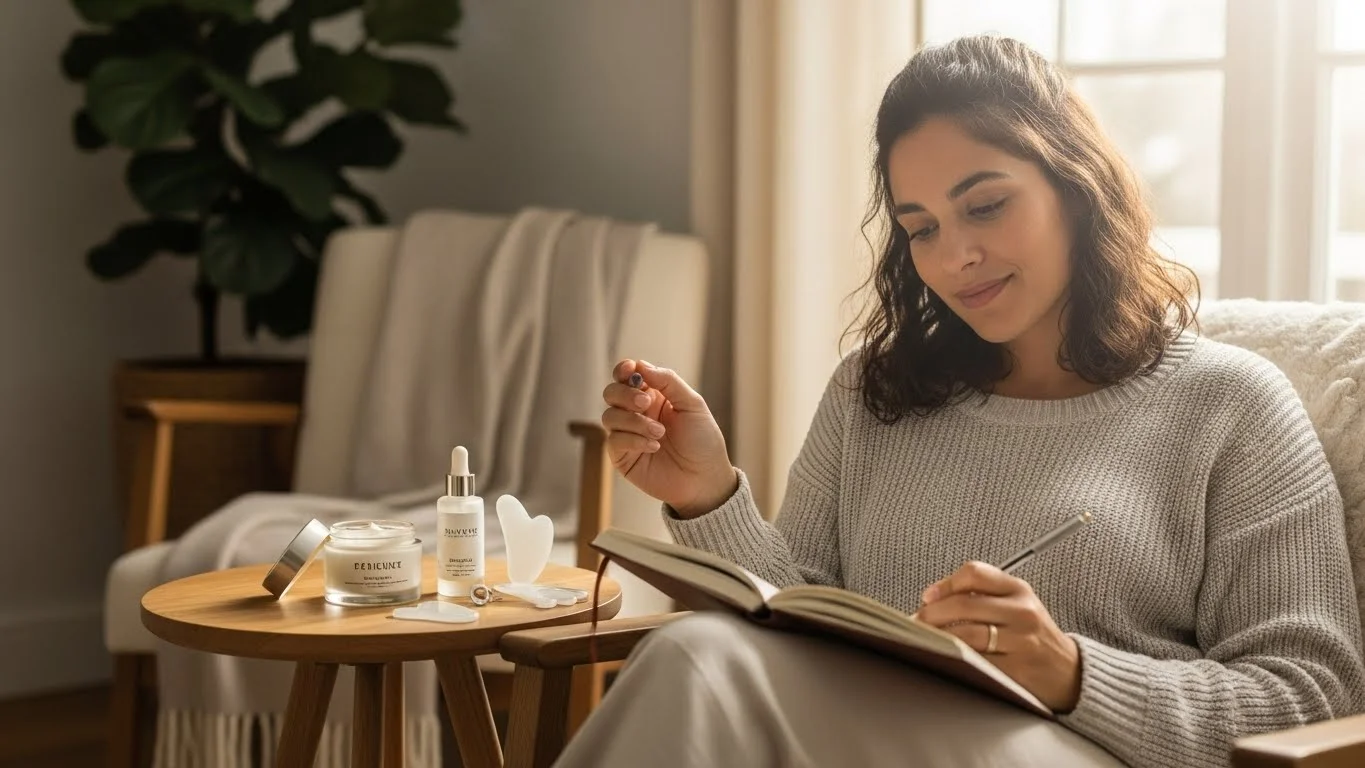
Small daily habits create big skin changes.
- Avoid touching or picking acne
- Clean makeup brushes regularly
- Remove makeup before sleeping
- Manage stress (stress worsens pigmentation)
- Sleep 7–8 hours nightly
Healthy skin is built through balance, not aggression.
Common Mistakes That Make Dark Spots Worse
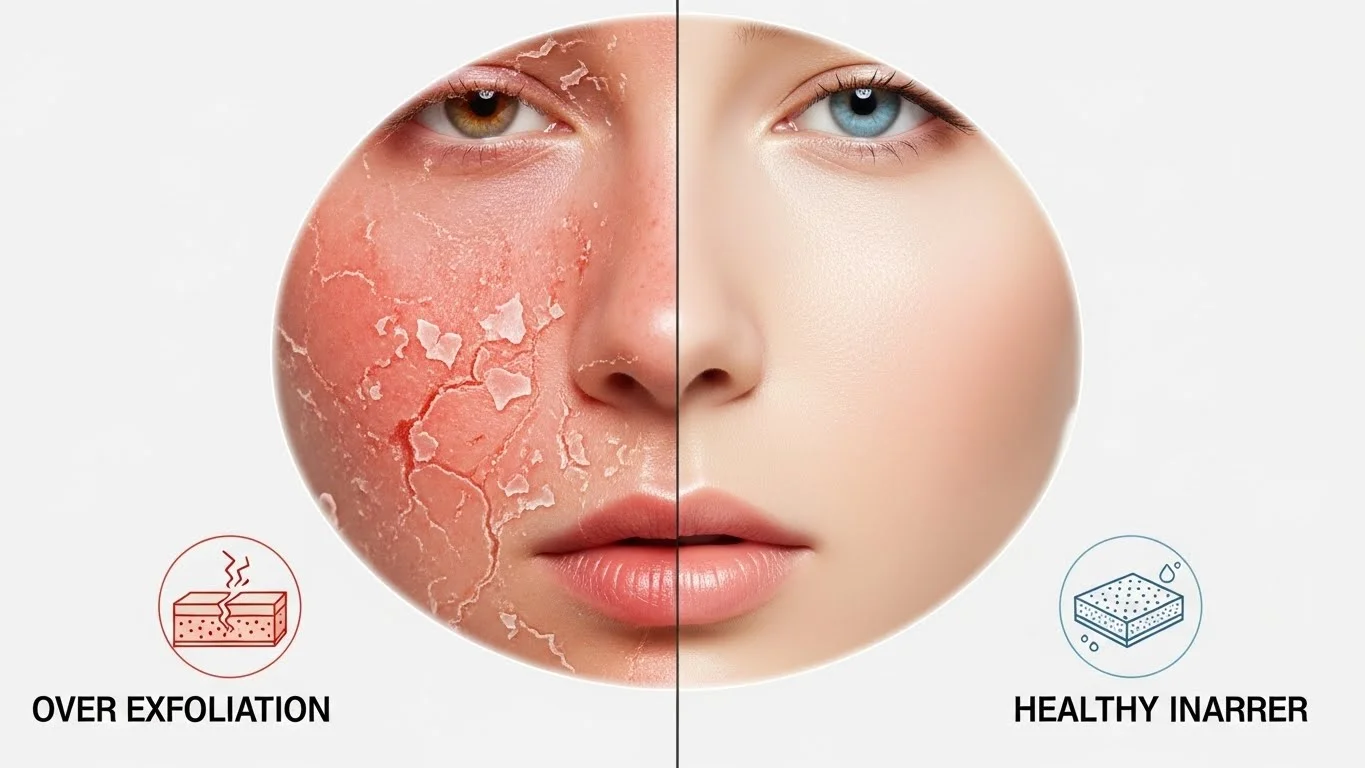
Many people unknowingly delay healing.
❌ Over-exfoliating
❌ Using harsh bleaching creams
❌ Skipping sunscreen
❌ Mixing too many actives
❌ Expecting instant results
Gentle, consistent care always outperforms aggressive treatment.
How Long Does It Take to See Results?
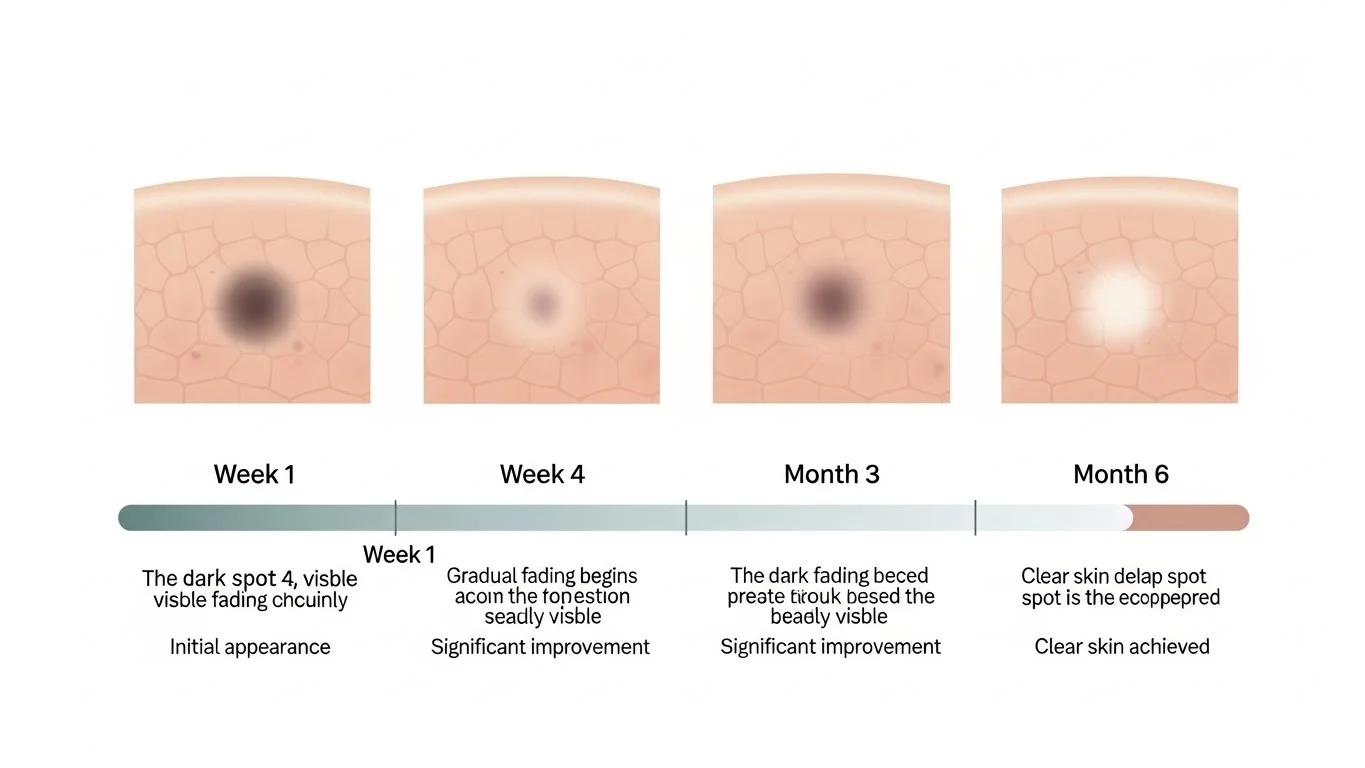
Patience is key.
- Mild spots: 4–6 weeks
- Moderate spots: 8–12 weeks
- Deep pigmentation: 3–6 months
Natural healing respects your skin’s rhythm.
When to Consider Professional Help

If dark spots:
- Keep spreading
- Don’t fade after 6 months
- Appear suddenly
Consult a dermatologist to rule out underlying conditions.
Maintaining Results: Keep Dark Spots Gone for Good
Once your skin improves, maintenance is crucial.
- Continue sunscreen use
- Stick to a simple routine
- Avoid known triggers
- Nourish skin internally
Clear skin isn’t a one-time achievement—it’s a lifestyle.
Final Thoughts: Your Journey to Clear Skin Starts Today

Dark spots can impact confidence, but they don’t define you. With the right knowledge, gentle care, and consistency, clear and even-toned skin is achievable—naturally and safely.
Remember:
✨ Progress over perfection
✨ Patience over pressure
✨ Care over harshness


