
Spotless Skin at Home: The Complete Guide to Naturally Clear, Glowing Skin
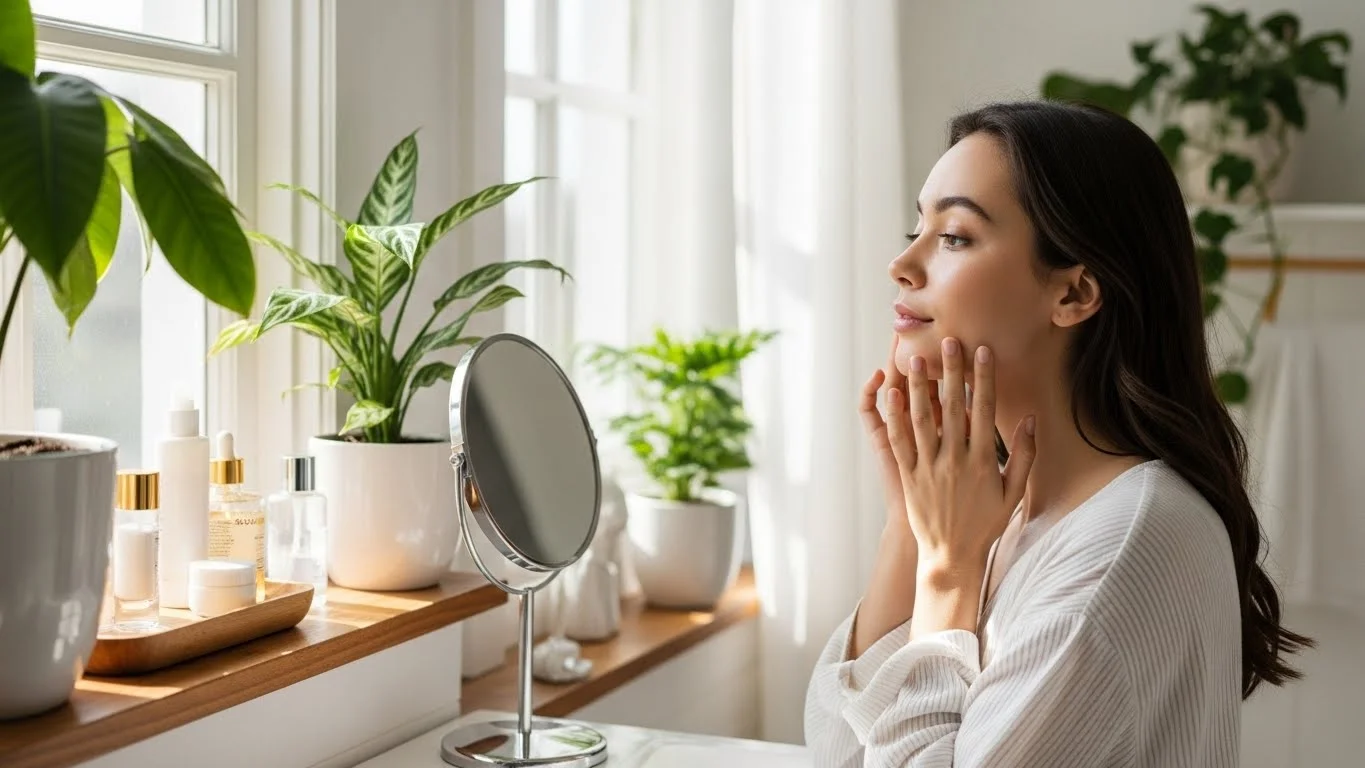
In today’s fast-paced world, flawless and glowing skin often feels like a luxury reserved for celebrities and expensive salons. Endless skincare products, chemical treatments, and clinic procedures can be overwhelming—and costly. But what if achieving clear, healthy, and radiant skin didn’t require stepping out of your home at all?
The good news is that spotless skin at home is not only possible, it’s sustainable, affordable, and safer when done the right way. With the correct routine, natural remedies, lifestyle adjustments, and consistency, you can transform your skin from dull and problematic to fresh and glowing—right from your own bathroom.
This comprehensive guide will walk you through everything you need to know: understanding your skin, daily routines, natural remedies, diet, lifestyle habits, and common mistakes to avoid. Whether you struggle with acne, pigmentation, dryness, or uneven texture, this blog will help you build a realistic and effective skincare journey.
Understanding What “Spotless Skin” Really Means
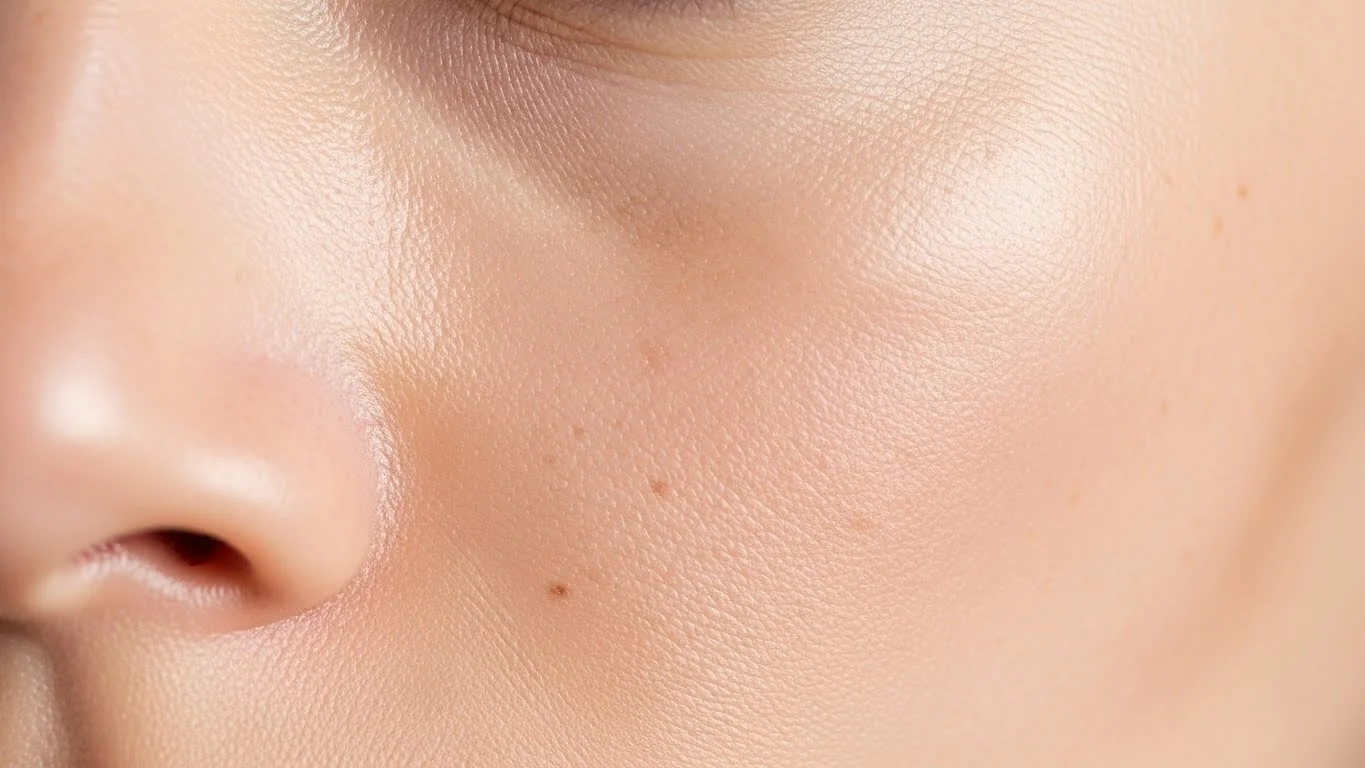
Before chasing perfection, it’s important to understand what spotless skin actually is—and what it is not.
Spotless skin does not mean poreless, glass-like, or filter-perfect skin. Real skin has texture, pores, and occasional breakouts. Spotless skin means:
- Even skin tone
- Minimal acne and marks
- Healthy glow
- Smooth texture
- Balanced oil and hydration
- Strong skin barrier
When your skin is healthy from the inside out, it naturally looks clear and radiant. Achieving spotless skin at home is about improving skin health—not chasing unrealistic beauty standards.
Know Your Skin Type: The Foundation of Skincare
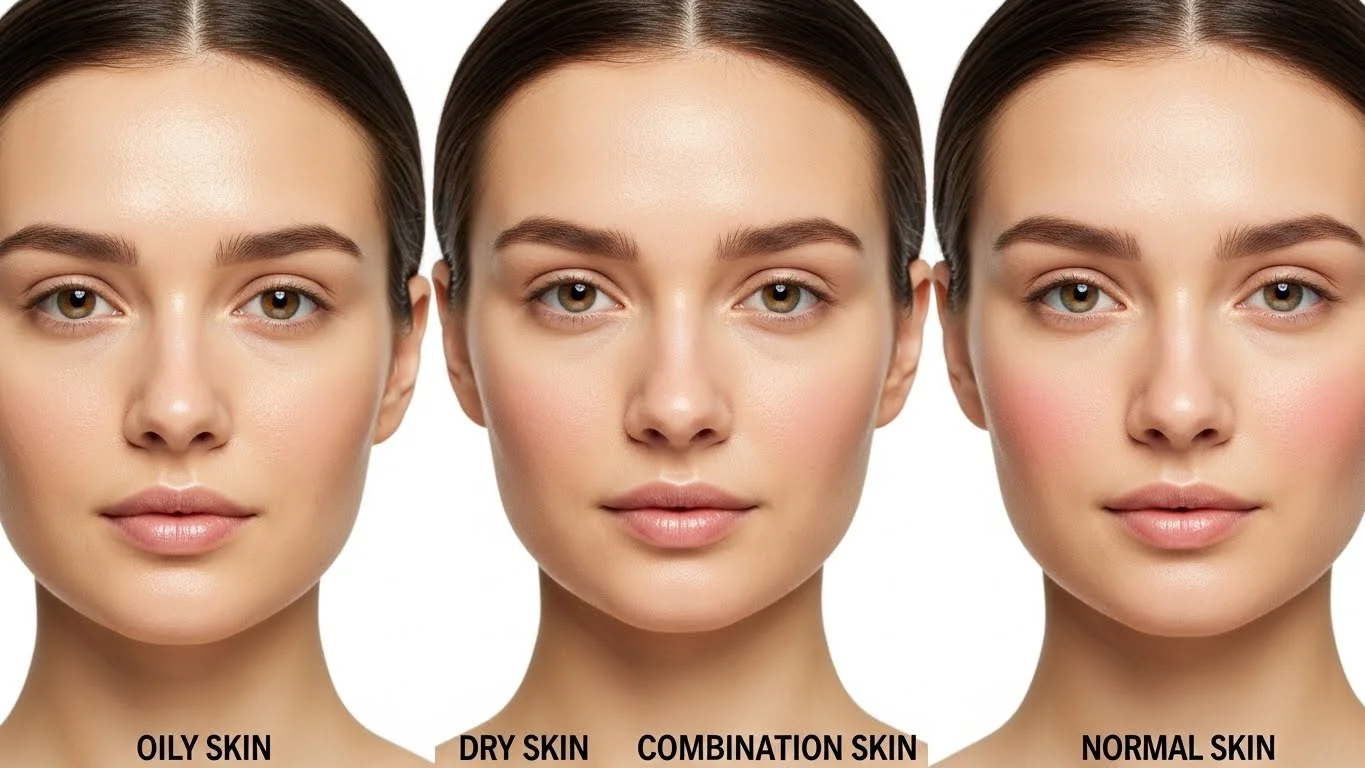
One of the biggest reasons people fail at skincare is using products or remedies that don’t suit their skin type. Before starting any routine, identify your skin type:
1. Oily Skin
- Excess oil production
- Shiny appearance
- Prone to acne and blackheads
2. Dry Skin
- Tight feeling
- Flakiness
- Dull appearance
3. Combination Skin
- Oily T-zone (forehead, nose, chin)
- Dry or normal cheeks
4. Sensitive Skin
- Easily irritated
- Redness and itching
5. Normal Skin
- Balanced oil and hydration
- Minimal issues
Knowing your skin type helps you choose the right home remedies, cleansers, and moisturizers—making your journey to spotless skin much smoother.
Daily Skincare Routine for Spotless Skin at Home
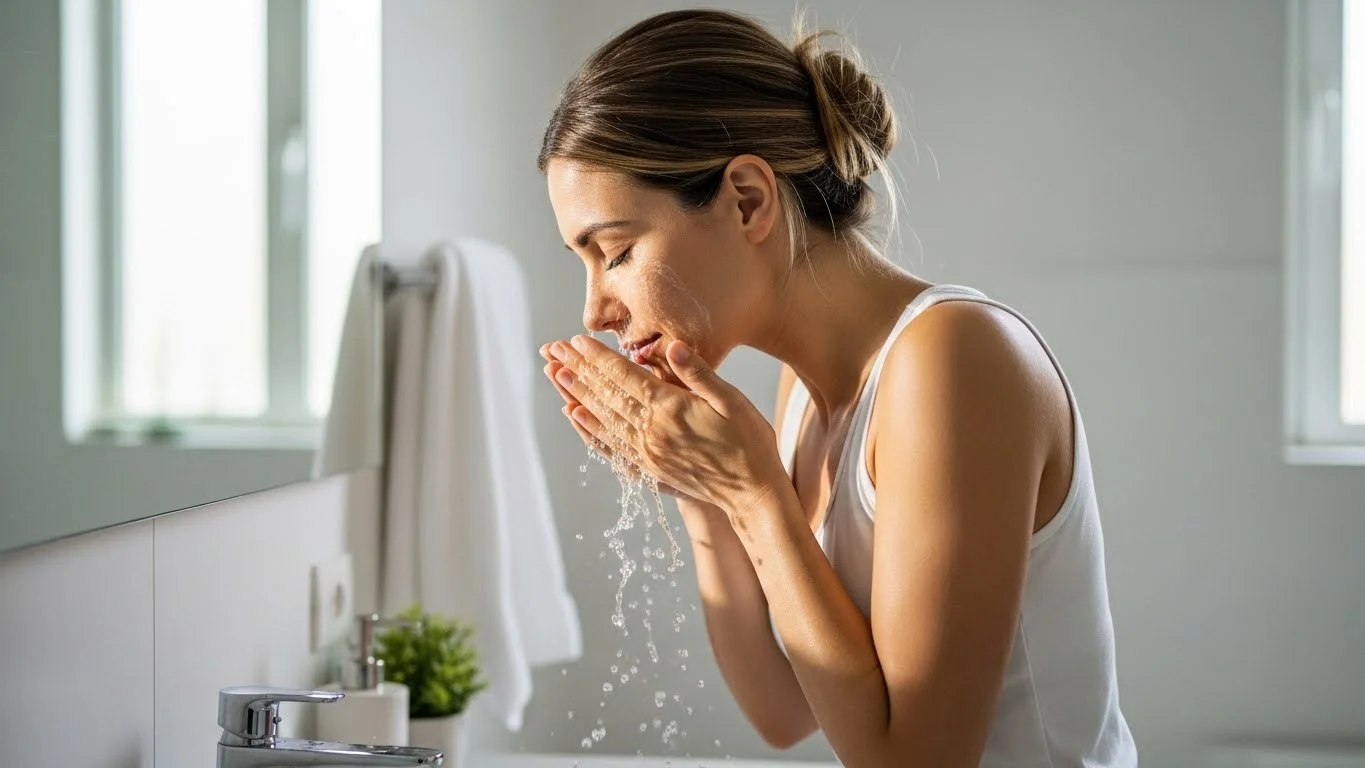
Consistency beats complexity. A simple, disciplined routine can deliver better results than dozens of products used irregularly.
Morning Routine
1. Gentle Cleansing
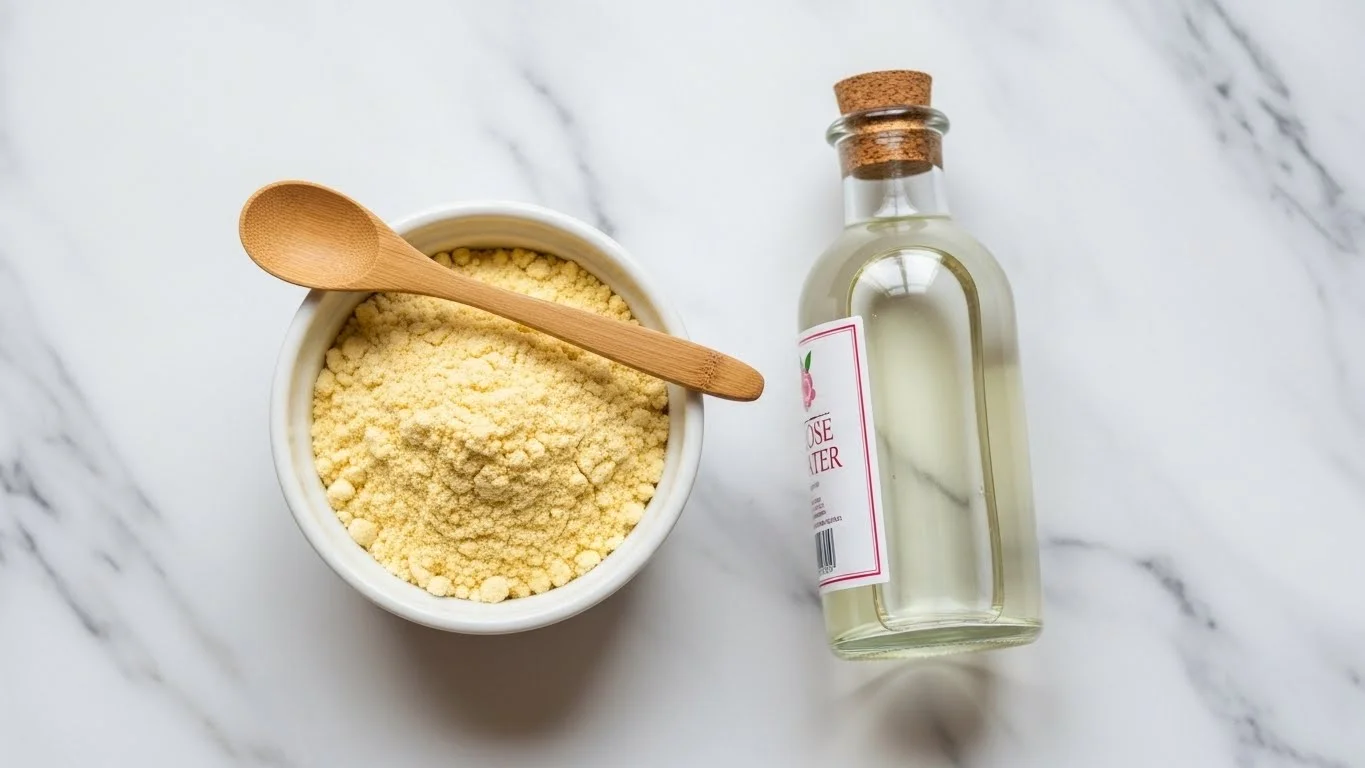
Start your day by washing your face with a mild cleanser suitable for your skin type. This removes oil buildup and sweat from the night.
Natural option:
- Chickpea flour (besan) + water or rose water (2–3 times a week)
2. Toning
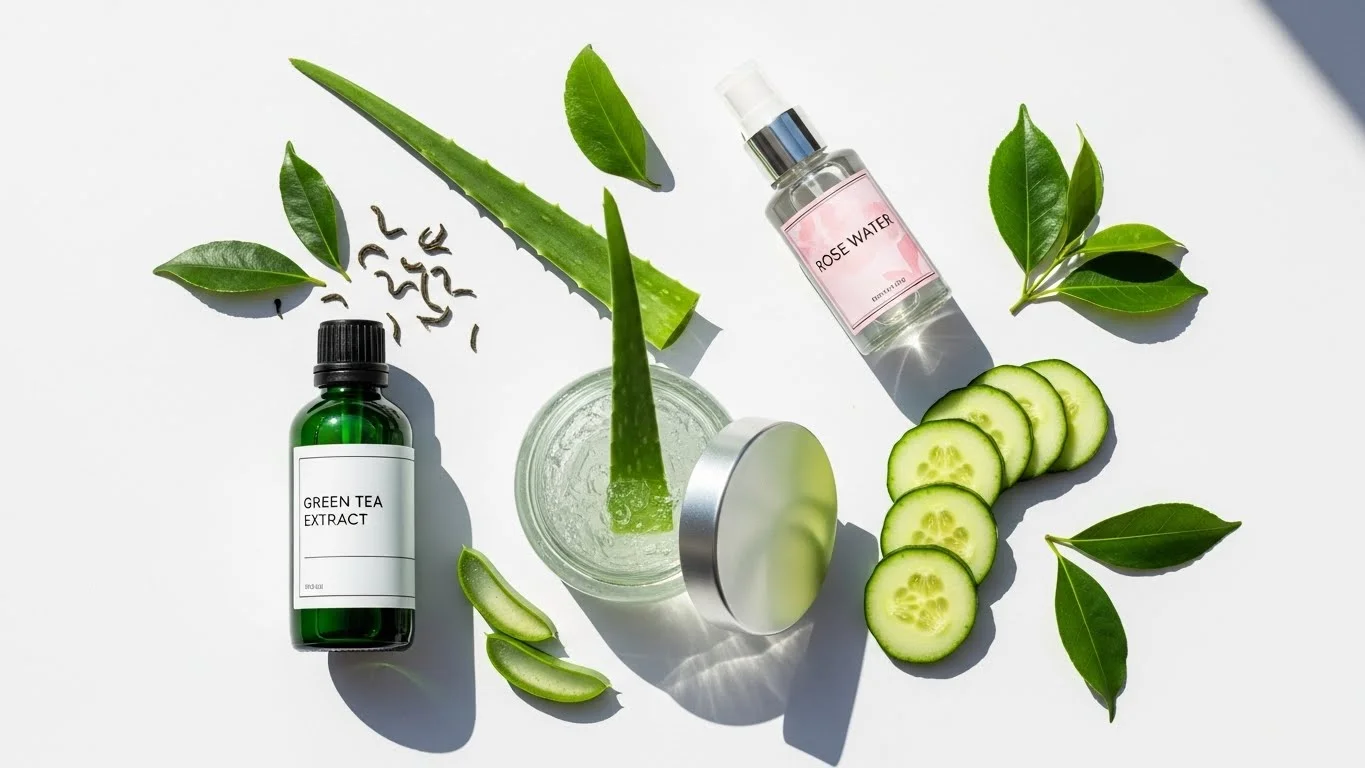
Toners help balance the skin’s pH and tighten pores.
Natural toners:
- Rose water
- Green tea water
- Cucumber juice
3. Moisturizing
Even oily skin needs moisturizer. Choose lightweight, non-comedogenic options.
Natural moisturizers:
- Aloe vera gel
- Few drops of jojoba oil
4. Sun Protection
Sun damage is one of the biggest obstacles to spotless skin. Apply sunscreen daily—even indoors.
Night Routine
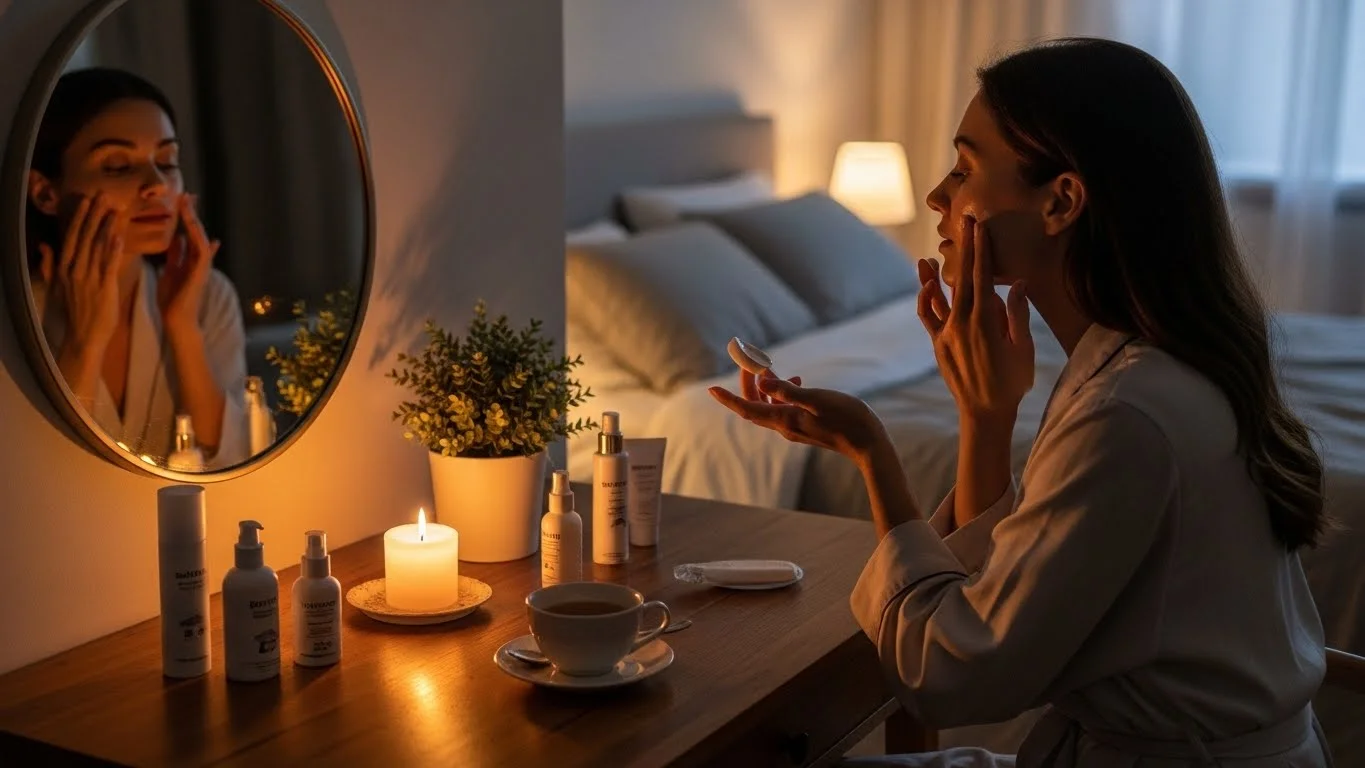
1. Remove Makeup & Dirt
Never sleep with makeup on. Use micellar water, coconut oil (for dry skin), or almond oil.
2. Cleanse Again
Double cleansing ensures deeply clean pores.
3. Treatment Step
Apply serums or natural treatments like:
- Aloe vera for hydration
- Tea tree oil (diluted) for acne
4. Night Moisturizing
Nighttime is when your skin repairs itself. Moisturize well before bed.
Weekly Home Treatments for Spotless Skin/
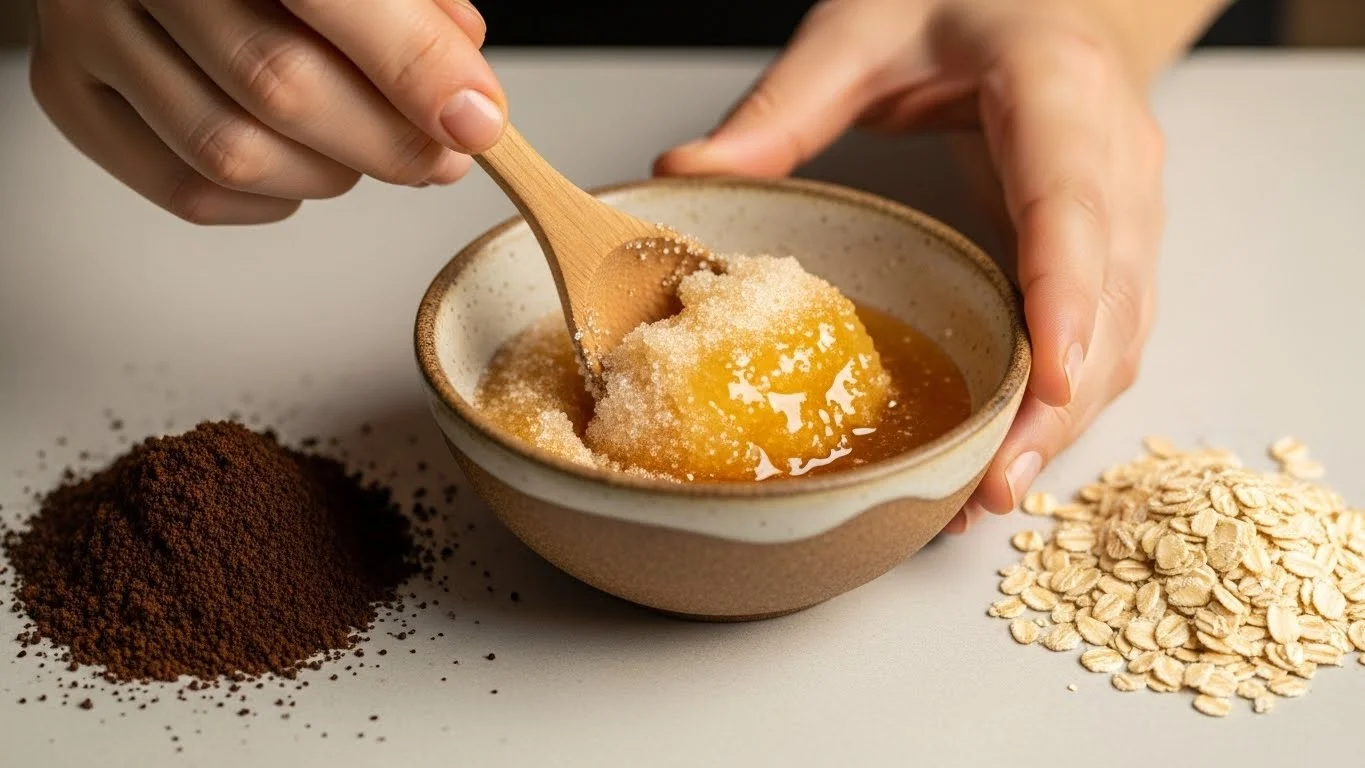
1. Exfoliation (1–2 Times a Week)
Exfoliation removes dead skin cells, unclogs pores, and improves texture.
Natural exfoliators:
- Sugar + honey
- Coffee grounds + yogurt
- Oatmeal + milk
Avoid over-exfoliation—it can damage the skin barrier.
2. Face Masks for Different Skin Concerns
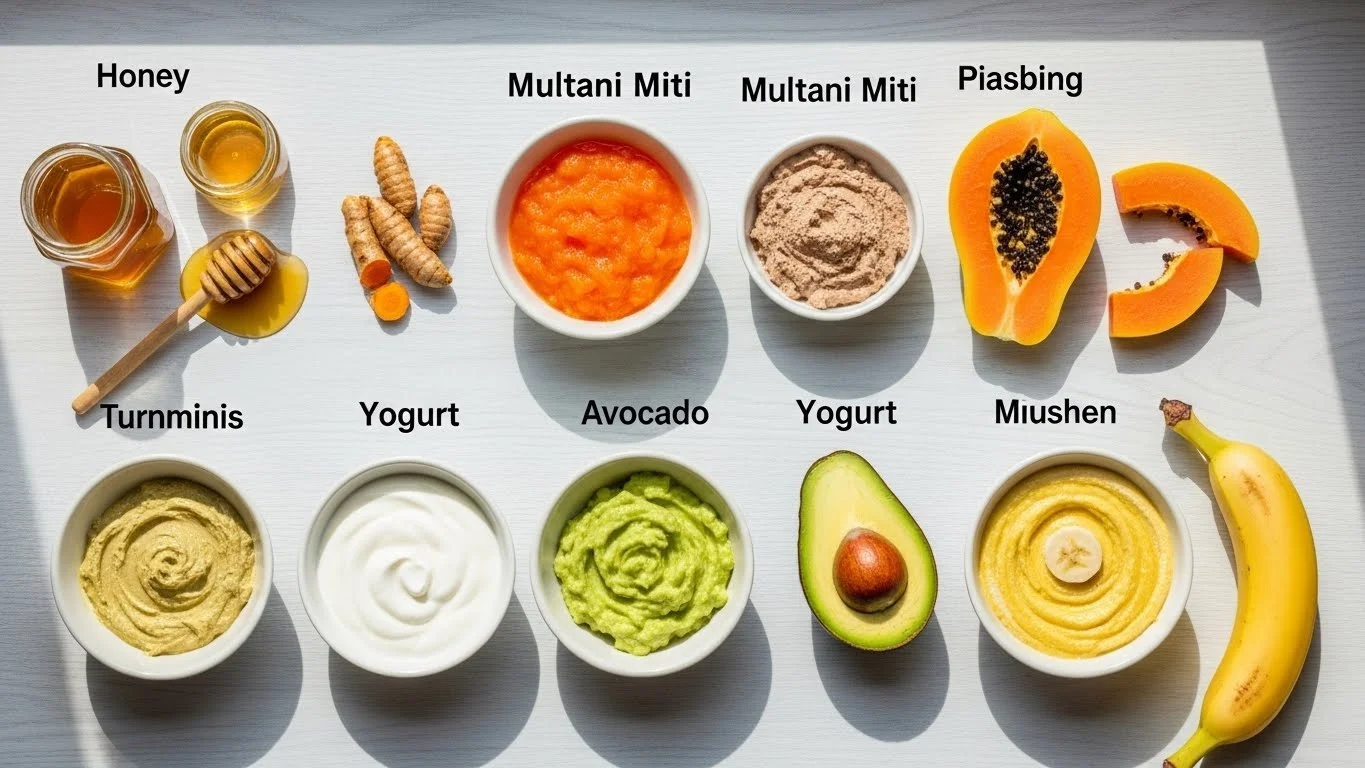
For Acne-Prone Skin
- Multani mitti + rose water
- Neem powder + yogurt
For Glowing Skin
- Turmeric + honey + milk
- Papaya pulp + honey
For Dry Skin
- Banana + olive oil
- Avocado + yogurt
For Pigmentation
- Potato juice
- Licorice powder + milk
Using these masks consistently can significantly improve your skin tone and texture, helping you achieve spotless skin at home naturally.
The Role of Diet in Skin Health

What you eat directly reflects on your skin. No skincare routine can compensate for a poor diet.
Foods That Promote Clear Skin
- Fresh fruits and vegetables
- Citrus fruits (vitamin C)
- Nuts and seeds
- Fatty fish (omega-3)
- Whole grains
Hydration Is Key
Drink at least 8–10 glasses of water daily. Dehydrated skin looks dull, rough, and uneven.
Foods to Limit
- Excess sugar
- Fried foods
- Processed snacks
- Dairy (if acne-prone)
A balanced diet is one of the most underrated secrets of spotless skin.
Lifestyle Habits That Improve Skin Naturally

1. Quality Sleep
Lack of sleep leads to dark circles, breakouts, and dullness. Aim for 7–9 hours of sleep daily.
2. Stress Management
Stress triggers hormonal imbalance and acne. Practice:
- Meditation
- Yoga
- Deep breathing
3. Exercise
Sweating helps detoxify skin. Always cleanse after workouts to avoid clogged pores.
4. Clean Habits
- Change pillowcases weekly
- Clean makeup brushes regularly
- Avoid touching your face
Common Mistakes That Prevent Spotless Skin

Even with good intentions, some habits can sabotage your skin:
- Using too many products at once
- Switching products too frequently
- Overwashing your face
- Ignoring sunscreen
- Popping pimples
- Expecting overnight results
Remember, skin improvement takes time. Patience and consistency are essential.
Natural Remedies vs. Chemical Products
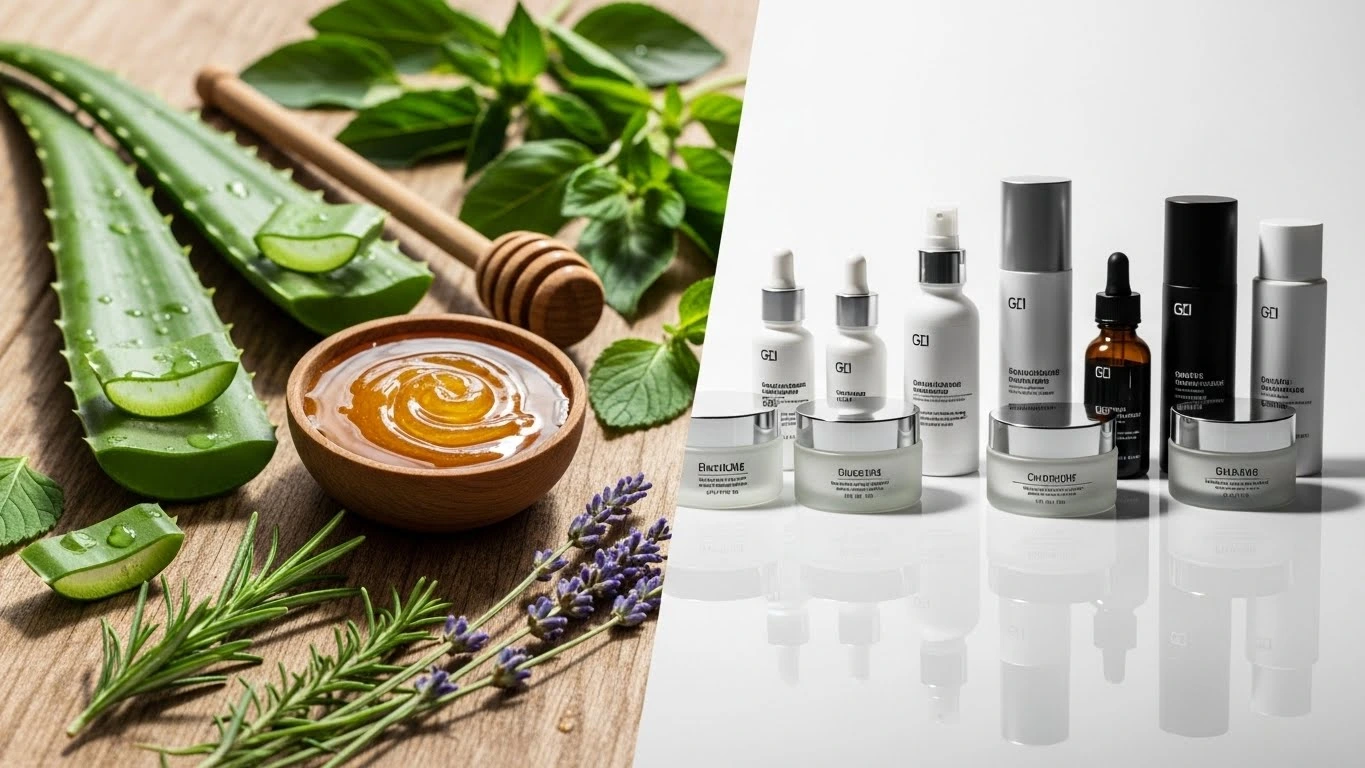
Natural remedies are gentle, affordable, and easily available. However, they also require consistency and patch testing.
Chemical products can deliver faster results but may cause irritation if misused.
The best approach?
A balanced routine—using safe, minimal products alongside natural home remedies.
How Long Does It Take to See Results?
Skin renewal cycles take approximately 28–40 days. You may notice:
- Small improvements in 2–3 weeks
- Visible glow in 1–2 months
- Long-term clarity in 3–6 months
Achieving spotless skin at home is a journey, not a race.
Building a Sustainable Skincare Routine
Instead of chasing trends, focus on:
- Understanding your skin
- Using fewer but effective products
- Maintaining hygiene
- Eating well
- Protecting your skin daily
This approach ensures lasting results without damaging your skin.
Final Thoughts: Your Path to Spotless Skin at Home

Beautiful skin doesn’t come from expensive treatments—it comes from care, consistency, and conscious choices. By following a simple daily routine, using natural remedies, improving your diet, and adopting healthy lifestyle habits, you can achieve radiant and healthy skin without leaving your home.
Remember, spotless skin at home is not about perfection—it’s about confidence, self-care, and loving your natural skin. Be patient with yourself, stay consistent, and let your skin reflect the care you give it. Your glow is closer than you think.


