
23 Easy Steps on How to Soak Off Acrylic Nails at Home
How to Soak Off Acrylic Nails: A Complete Step-by-Step Guide
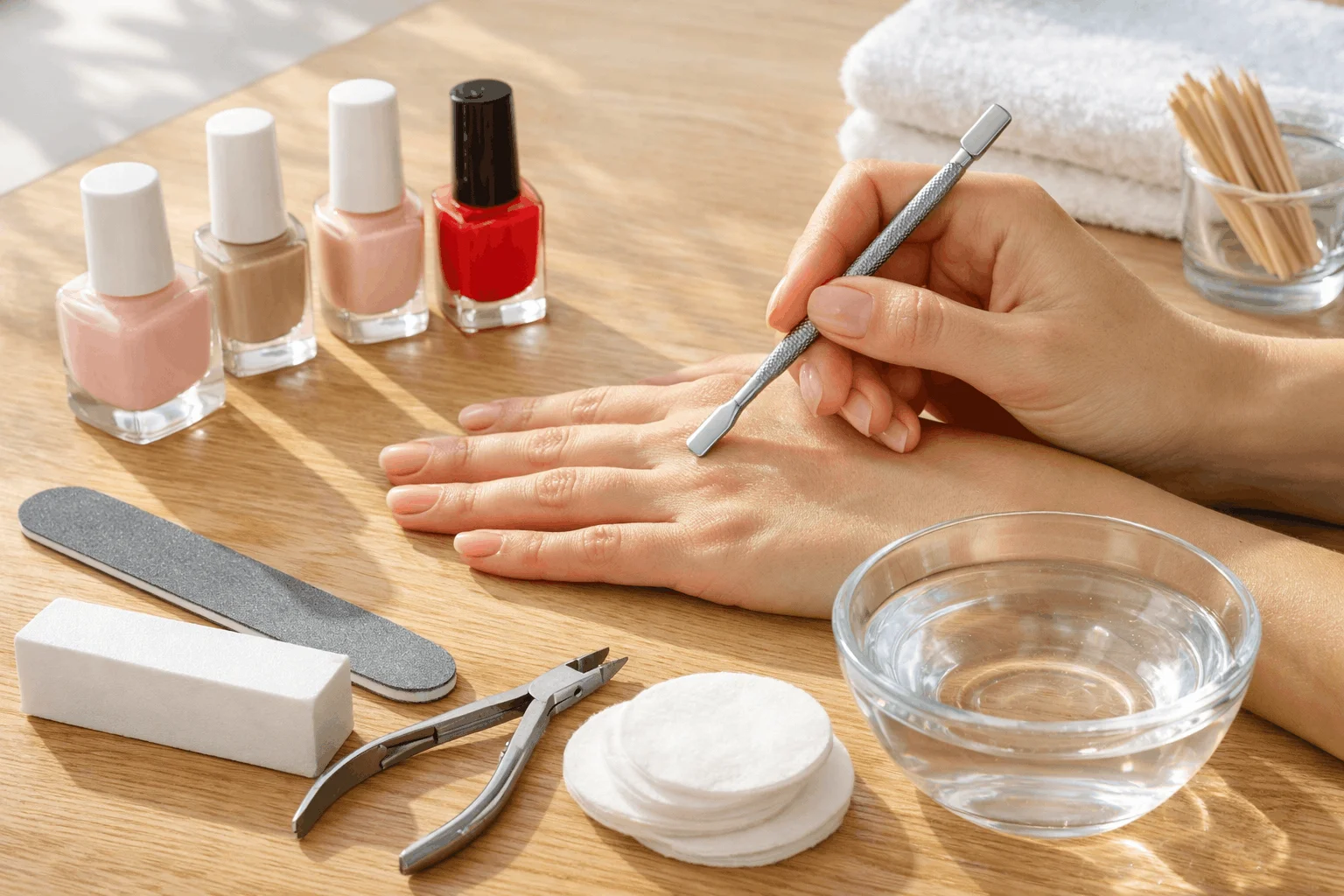
Acrylic nails are a fantastic way to achieve long, glamorous nails without waiting for natural growth. However, there comes a time when you need to remove them safely and effectively. Learning how to soak off acrylic nails at home can save money, prevent damage to your natural nails, and give you a chance to maintain a healthy nail routine. This guide will walk you through everything from preparation to aftercare, ensuring a safe and successful removal process.
Why Learning How to Soak Off Acrylic Nails is Important
Acrylic nails, while durable and long-lasting, require proper removal. Pulling or forcing acrylics off can cause damage, thinning, or even infections on your natural nails. By learning how to soak off acrylic nails, you can avoid these risks. Soaking softens the acrylic, allowing it to come off gently, preserving your nail health.
Some common mistakes people make include:
- Peeling or prying off acrylics with tools
- Using excessive force on thin nails
- Skipping moisturization and aftercare
Understanding the correct method ensures you maintain strong, healthy natural nails and are ready for your next manicure without complications.
Tools and Supplies Needed to Soak Off Acrylic Nails
Before diving into the soaking process, gather these essential supplies:
- Acetone – A pure acetone or 100% nail polish remover with acetone works best.
- Cotton Balls or Pads – These will help soak your nails evenly.
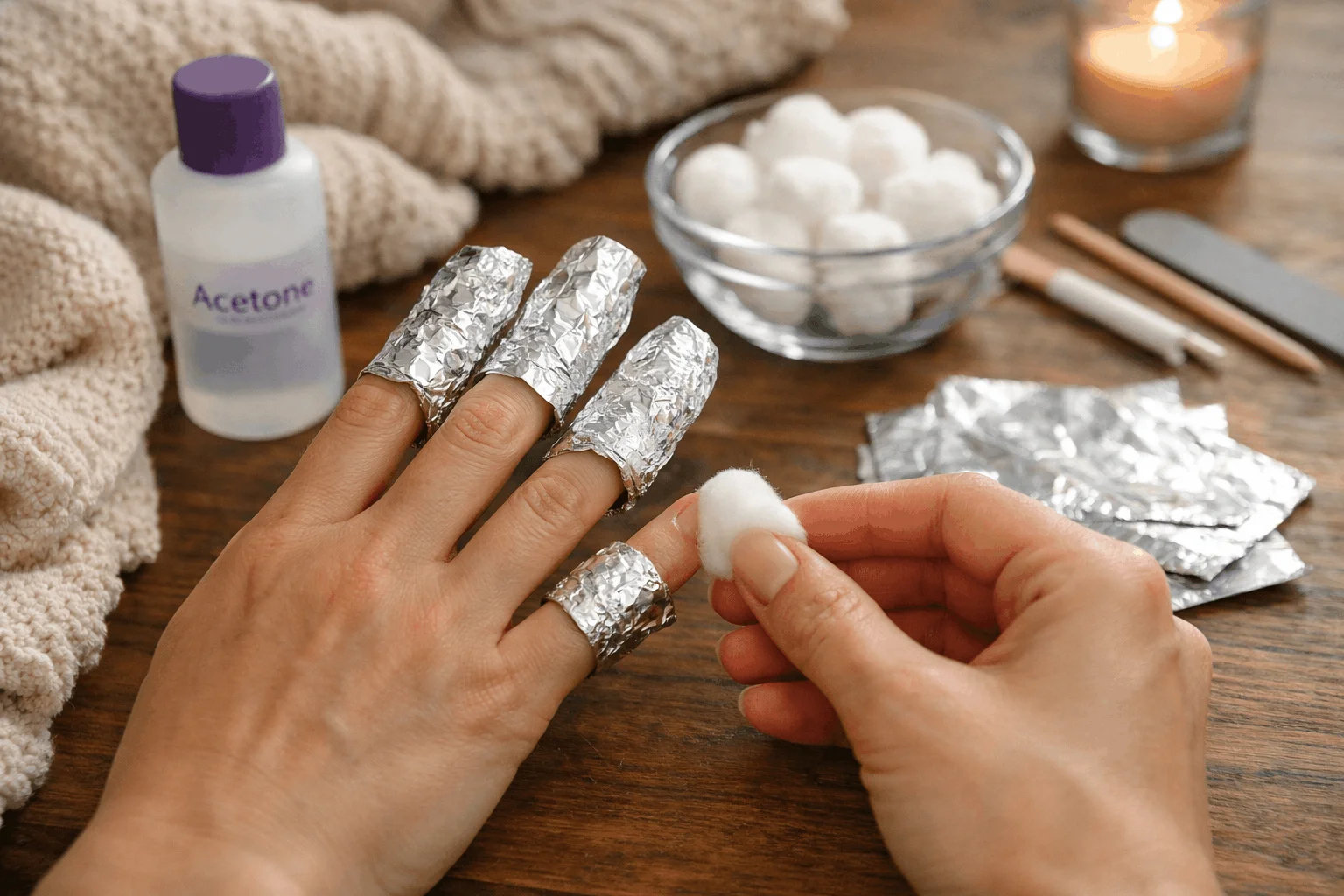
- Aluminum Foil – To wrap your nails and trap the acetone.
- Cuticle Pusher or Wooden Stick – For gently removing softened acrylic.
- Nail File and Buffer – To smooth your nails after removal.
- Moisturizer or Cuticle Oil – To restore hydration to nails and skin.
- Optional: Nail Clips – To hold cotton and foil in place for extra convenience.
Having all these items ready makes the process smoother and safer. Preparation is key in achieving a salon-quality result at home.
Step-by-Step Guide on How to Soak Off Acrylic Nails
Here’s a detailed, step-by-step guide on how to soak off acrylic nails safely and effectively.
Step 1: Trim and File Your Nails
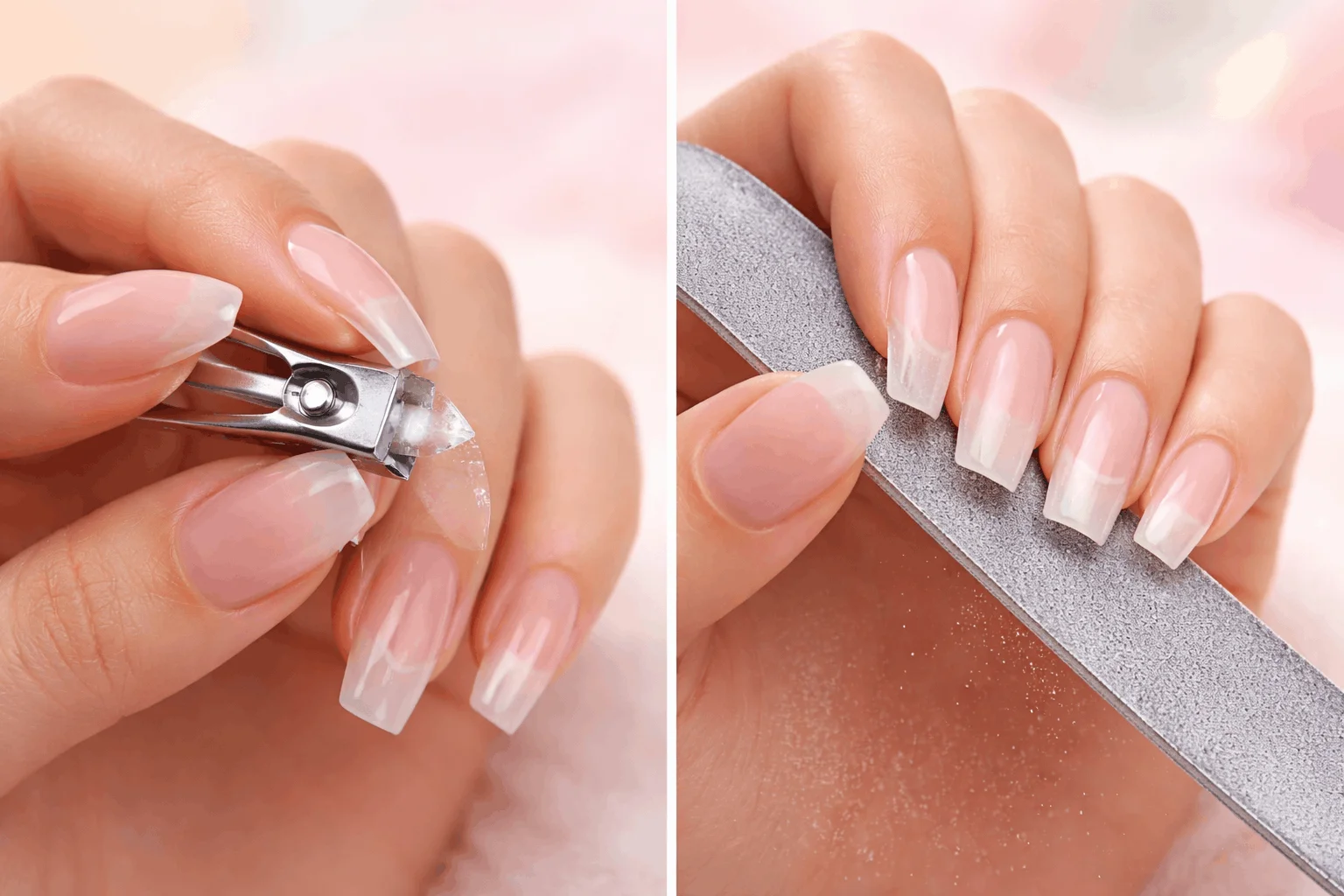
Start by trimming any excess length carefully. Use a nail clipper or small scissors to avoid snapping your natural nails. After trimming, use a coarse nail file to gently buff the top layer of the acrylic. This allows the acetone to penetrate the acrylic more easily and reduces soaking time.
Tip: Avoid filing too aggressively—only remove the shiny surface layer.
Step 2: Protect Your Skin
Acetone can dry out your skin. Apply petroleum jelly or a thick moisturizer around the nails to prevent irritation. This step is often overlooked but makes a big difference in protecting your cuticles and surrounding skin.
Step 3: Soak Cotton Balls in Acetone
Take cotton balls or pads and soak them generously in acetone. Make sure they are fully saturated but not dripping excessively. This will ensure the acrylic softens evenly without wasting product.
Step 4: Apply Cotton Balls and Wrap with Foil
Place the soaked cotton on top of each nail and wrap it securely with aluminum foil. The foil traps heat and keeps the acetone from evaporating, increasing efficiency. Ensure the foil is snug but not too tight to cut off circulation.
Tip: If you have nail clips, you can use them instead of foil for a less messy experience.
Step 5: Wait Patiently
Allow your nails to soak for 20–30 minutes. The exact time may vary depending on the thickness of your acrylics. During this time, the acetone will break down the acrylic layers, making them soft and easy to remove.
Important: Do not rush this step. Trying to peel off acrylic before it’s softened can damage your natural nails.
Step 6: Remove Acrylic Gently
After soaking, check one nail to see if the acrylic is lifting. Use a cuticle pusher or wooden stick to gently push off the softened acrylic. If it resists, rewrap and soak for an additional 5–10 minutes. Repeat this process for all nails.
Pro Tip: Work slowly and never force the acrylic off. Patience prevents damage.
Step 7: Buff and Shape Your Nails
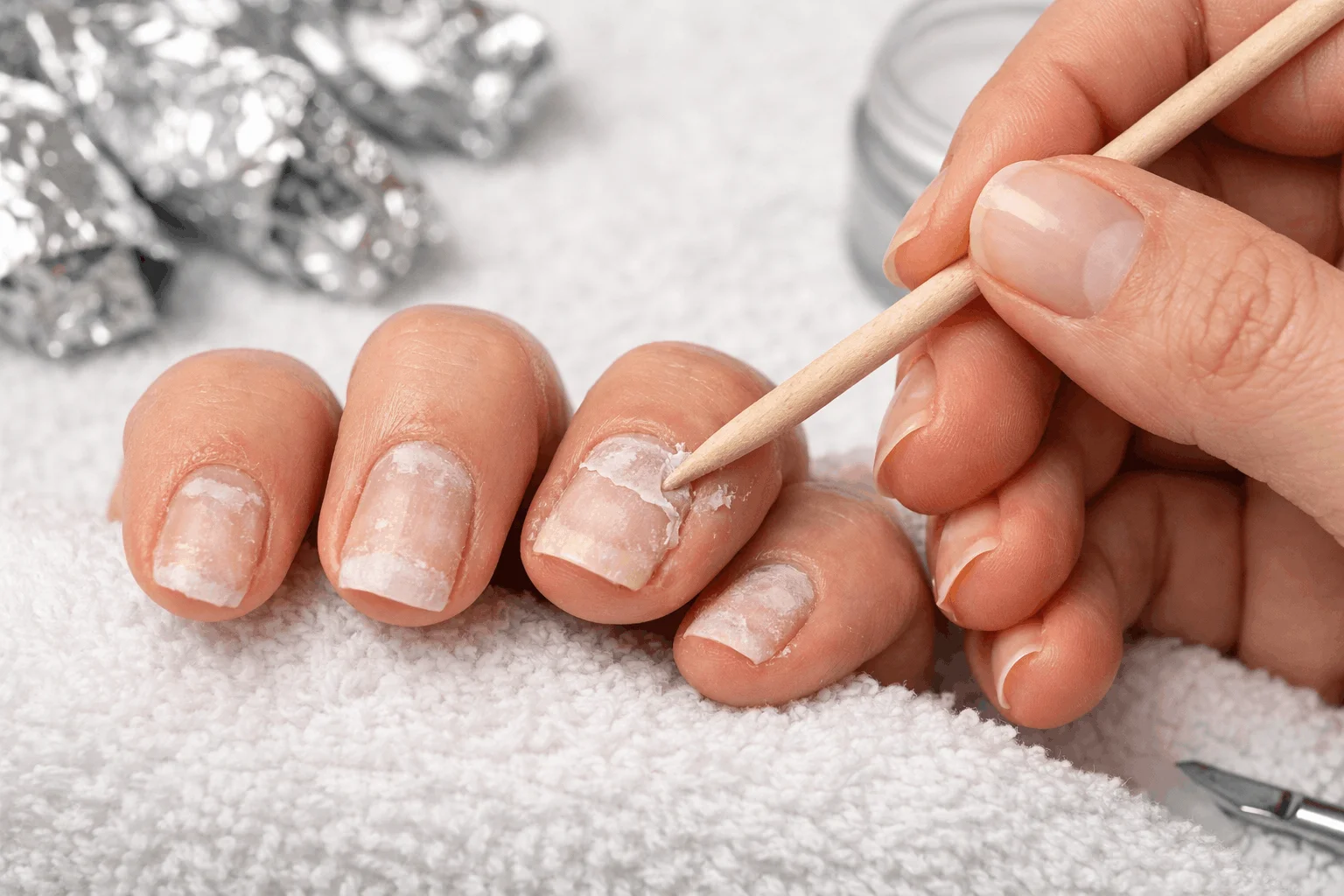
Once all acrylics are removed, use a fine nail buffer to smooth the nail surface. File your nails to your desired shape. Buffing helps remove residual acrylic and prepares your nails for polish or treatment.
Step 8: Hydrate and Nourish
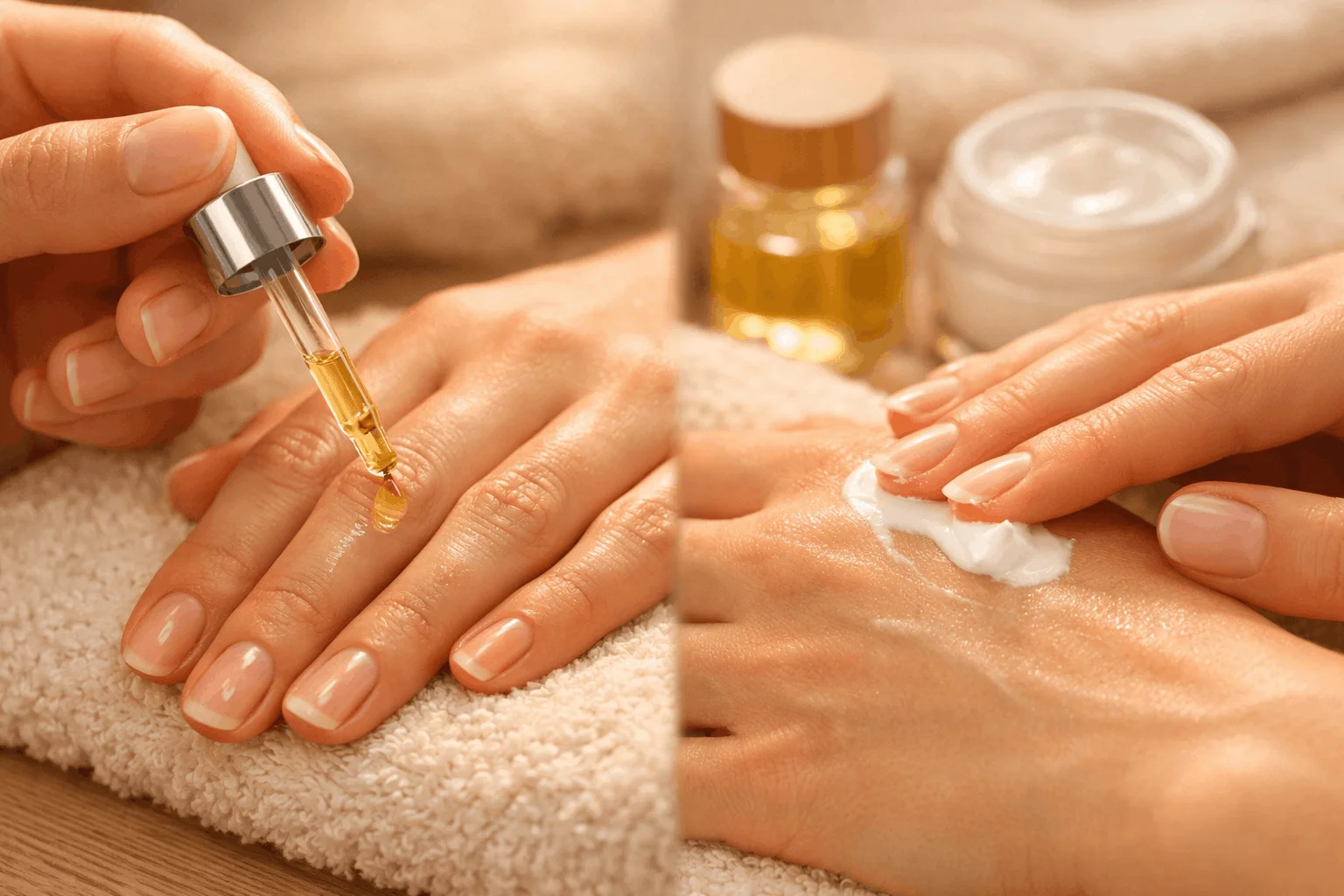
Acetone can leave nails and cuticles dry. Apply cuticle oil or a rich hand cream to restore moisture. Consider massaging the oil into your nails and surrounding skin to improve circulation and strengthen your nails.
Tips for Faster Acrylic Removal
While soaking is the safest method, there are ways to make the process more efficient:
- Use Warm Acetone: Slightly warm acetone (never hot) can speed up soaking. Place the acetone in a heat-safe bowl and warm it in a water bath.
- File Thin Layers: Before soaking, gently file the top layer of acrylic to allow acetone penetration.
- Use a Nail Soaking Bowl: A bowl designed for nail soaking can hold acetone and make removal easier for all nails at once.
Common Mistakes to Avoid
Many people damage their natural nails during acrylic removal due to simple errors. Here’s what to avoid when learning how to soak off acrylic nails:
- Peeling or Picking: Never force acrylic off; always allow soaking to do the work.
- Skipping Buffing: Residual acrylic can cause uneven surfaces if not properly buffed.
- Ignoring Moisturization: Dry nails are more brittle and prone to breakage.
- Overusing Acetone: Excessive exposure can cause extreme dryness and weaken nails.
Following proper steps prevents these common issues and ensures your nails remain healthy and strong.
Aftercare for Natural Nails
After removing acrylics, your natural nails need care and recovery. Consider the following steps:
- Hydration: Regularly apply cuticle oil and hand cream to restore moisture.
- Strengthening Treatments: Use nail strengtheners or hardeners for a few weeks post-acrylics.
- Limit Polish Use: Give nails a break from polish or gels for a short period.
- Balanced Diet: Nutrition affects nail health; include vitamins like biotin, zinc, and vitamin E.
This aftercare helps your nails regain strength and prevents future damage.
How to Soak Off Acrylic Nails Without Acetone
If you prefer not to use acetone, there are alternatives:
- Non-Acetone Nail Removers: Less harsh but require more soaking time.
- Warm Water and Soap: Gentle but very slow; mainly effective for thin acrylic layers.
- Professional Removal: Visiting a nail salon for acetone-free removal options.
While these methods are safer for sensitive skin, they may not be as effective as acetone for thick acrylics.
How Often Should You Remove Acrylics?
Acrylic nails generally last 2–3 weeks before needing a fill or removal. Repeated removal and application can stress natural nails. Experts recommend giving nails a rest period of at least a week between acrylic applications to allow recovery.
Benefits of Soaking Off Acrylic Nails at Home
Learning how to soak off acrylic nails at home comes with several advantages:
- Cost-Effective: No need for salon visits.
- Convenient: Do it at your own time.
- Safer: You control the process and avoid aggressive removal.
- Customizable: Focus on specific nails needing extra attention.
With practice, home removal can be as effective as professional services.
Frequently Asked Questions (FAQs)
Q1: Can I soak off acrylic nails in under 10 minutes?
A: No. Proper soaking takes 20–30 minutes depending on acrylic thickness. Rushing can damage nails.
Q2: Is it okay to peel off acrylics after soaking?
A: Only remove gently using a cuticle stick. Avoid peeling as it can strip layers of your natural nail.
Q3: How can I strengthen nails after acrylics?
A: Use cuticle oils, nail strengtheners, and a balanced diet rich in vitamins for nail health.
Q4: Can I use regular nail polish remover instead of acetone?
A: Non-acetone removers work for thin layers but are less effective on full acrylics. Acetone remains the fastest, safest option.
Conclusion
Knowing how to soak off acrylic nails is an essential skill for anyone who enjoys nail art or wants to maintain their nail health. The process is simple, safe, and cost-effective if done properly. By following these step-by-step instructions, using the right tools, and practicing patience, you can enjoy beautiful natural nails ready for your next manicure.
Always remember: preparation, gentle removal, and post-care are key to healthy nails. Whether you’re a beginner or an experienced nail enthusiast, mastering acrylic removal at home ensures your nails stay strong, smooth, and stunning every time.


